

Aluminum CNC Machining: Benefits, Applications and Cost Factors
Aluminum CNC machining is widely used in modern manufacturing to produce lightweight, precise and durable components. Thanks to its excellent machinability, corrosion resistance and strength-to-weight ratio, aluminum is a popular material for industrial machinery, automotive parts and electronic equipment.
For buyers sourcing custom metal components, understanding its benefits, applications and cost factors helps make better purchasing decisions.
Key Benefits of Aluminum CNC Machining
1. Lightweight and Strong
Aluminum offers a favorable strength-to-weight ratio, making it suitable for equipment that requires reduced weight without sacrificing structural performance.
2. Excellent Machinability
Compared with many harder metals, aluminum is relatively easy to cut and machine. CNC milling and turning can produce complex shapes, accurate dimensions and smooth surfaces efficiently.
3. Corrosion Resistance
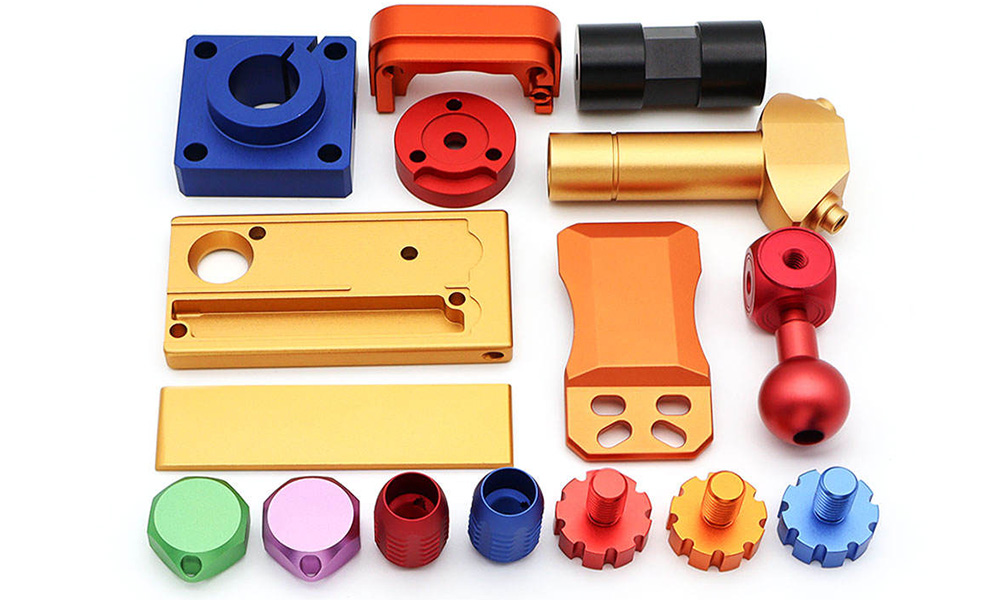
Aluminum naturally forms a protective oxide layer. Additional treatments such as anodizing can further improve surface durability and appearance.
4. Cost-Effective Production
Good machinability can reduce machining time and tool wear. CNC automation also supports consistent quality across prototype, small-batch and mass production.
Common Applications
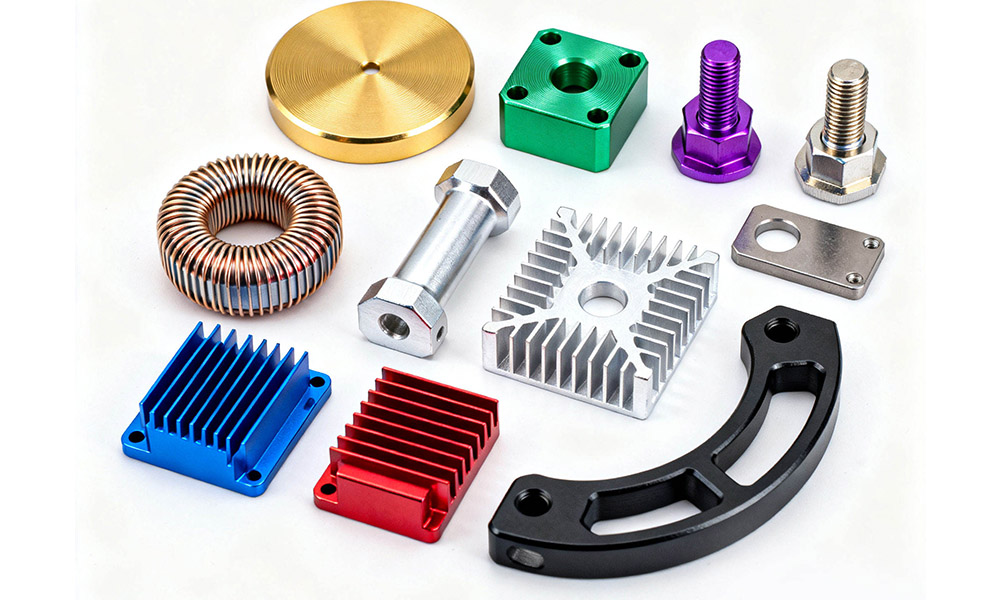
Aluminum CNC machined parts are used in industrial machinery, automotive systems, aerospace equipment, electronics and automation devices.
Typical components include housings, brackets, mounting plates, shafts, heat sinks and precision fittings. Aluminum is particularly useful when low weight, dimensional accuracy and thermal performance are important.
Common Aluminum Alloys
Different alloys offer different properties. 6061 aluminum provides a good balance of strength, machinability and corrosion resistance, making it suitable for general industrial components. 7075 aluminum offers higher strength for demanding applications, while 5052 is commonly selected for sheet metal parts requiring good formability and corrosion resistance.
The best choice depends on load, environment, machining requirements and budget.
What Affects Aluminum CNC Machining Costs?
Several factors influence the final quotation:
Material grade: Different aluminum alloys have different prices and machining characteristics.
Part complexity: Complex geometries, deep cavities and tight tolerances require more programming and machining time.
Production quantity: Larger orders can reduce unit costs through optimized setup and production.
Surface finishing: Anodizing, polishing and other treatments add processing costs.
Inspection requirements: Strict dimensional checks and documentation may increase production expenses.
To receive an accurate quotation, buyers should provide CAD drawings, material specifications, tolerances, surface finish requirements and order quantities.
Conclusion
Aluminum CNC machining offers an effective solution for producing lightweight and precision industrial components. By selecting the right alloy and optimizing part design, buyers can balance performance, quality and cost.
At ZFYL Metal, we provide customized CNC machining solutions for industrial and machinery parts. Contact us with your drawings and project requirements to discuss suitable materials, manufacturing processes and production costs.
