

Custom Sheet Metal Bending Services for Precision Industrial Parts
Custom sheet metal bending is an essential process in modern industrial manufacturing. It transforms flat metal sheets into precise shapes for machinery, equipment housings, brackets, frames and structural components. For industrial buyers, choosing a reliable sheet metal bending supplier helps ensure dimensional accuracy, consistent quality and efficient production.
What Is Sheet Metal Bending?
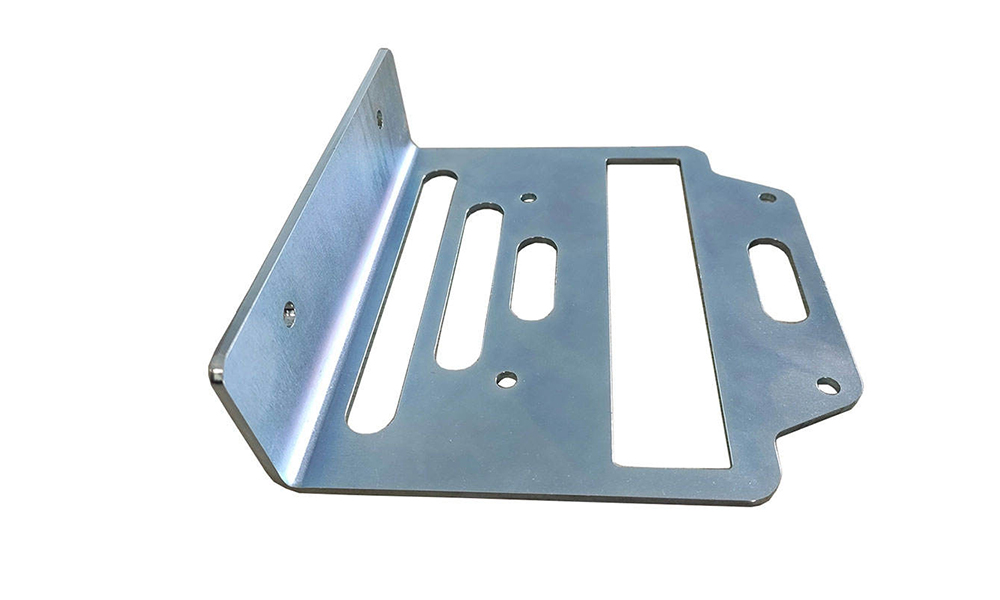
Sheet metal bending is a metal forming process that applies force to create a specific angle or shape without cutting the material. Common methods include press brake bending and CNC bending, which allow manufacturers to produce repeatable parts according to technical drawings.
The final result depends on material type, thickness, bending angle, tooling and springback. Professional process planning helps reduce deformation and maintain dimensional consistency.
Benefits of Custom Sheet Metal Bending
1. High Precision and Consistency
CNC-controlled bending equipment can produce accurate angles and repeatable dimensions. This is important for industrial parts that must fit correctly during assembly.
2. Flexible Customization
Custom bending services support different geometries, dimensions and production volumes. Buyers can develop parts according to CAD files, drawings or specific application requirements.
3. Cost-Effective Production
Optimized bending sequences and suitable tooling help reduce material waste, setup time and rework. For larger orders, efficient production planning can improve overall cost control.
4. Compatibility with Multiple Materials
Depending on equipment and specifications, sheet metal bending can process carbon steel, stainless steel and aluminum. Material selection should consider strength, corrosion resistance, thickness and final application.
Applications of Precision Bent Metal Parts
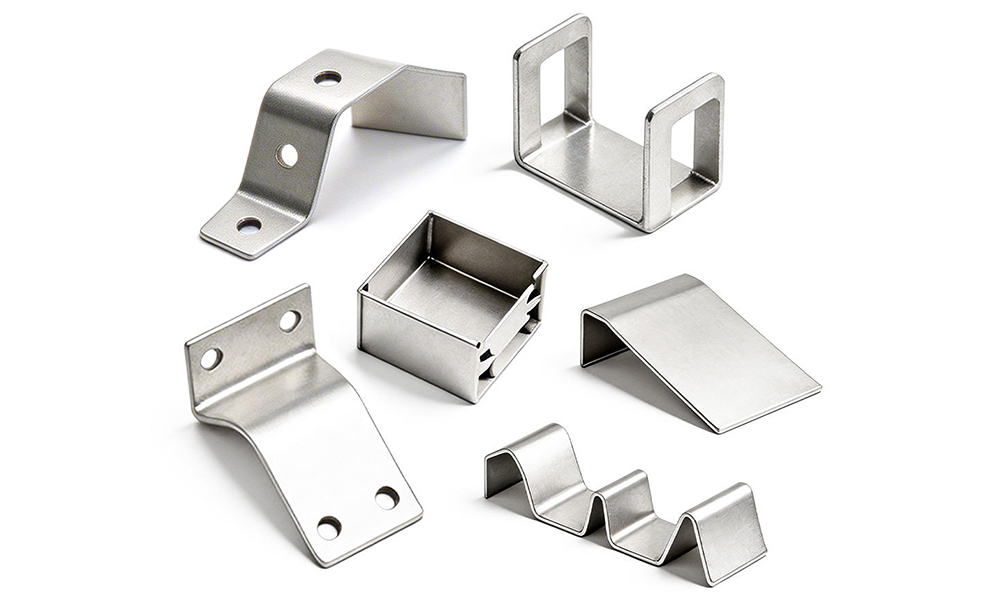
Custom sheet metal bending is widely used in industrial machinery, automotive equipment, electrical enclosures, furniture hardware and automation systems.
Typical components include mounting brackets, protective covers, support frames, machine panels and structural parts. Accurate bending helps ensure proper alignment, stable assembly and reliable performance.
How to Choose the Right Sheet Metal Bending Supplier
Before placing an order, buyers should evaluate a supplier's equipment, material experience, quality control and production capacity. It is also important to confirm achievable tolerances, surface finish requirements, lead times and inspection procedures.
For an accurate quotation, provide 2D drawings or 3D CAD files, material grade, sheet thickness, bending angles, required quantities and delivery expectations. These details help the supplier assess manufacturability and identify potential cost-saving improvements.
Integrated Sheet Metal Fabrication Services
Working with a supplier that offers laser cutting, CNC bending, welding and surface treatment can simplify procurement. Coordinated processes help reduce handling, improve dimensional consistency and support efficient production from raw sheet to finished component.
Conclusion
Custom sheet metal bending services are essential for producing precise, durable industrial parts. By combining suitable materials, CNC technology and effective quality control, manufacturers can deliver components that meet demanding application requirements.
Looking for a reliable partner for custom sheet metal fabrication? Share your drawings and specifications to discuss your project, production requirements and quotation.
