

Global Industrial Machinery Manufacturing: Challenges, Opportunities and Future Trends
The global industrial machinery manufacturing industry is undergoing significant transformation. Growing demand for automation, smart factories, energy efficiency and customized equipment is creating new opportunities for manufacturers and international buyers. At the same time, supply chain disruptions, rising production costs and increasing quality requirements are creating new challenges.
For global manufacturers, understanding these changes is essential for improving competitiveness and building reliable supply chains.
Key Challenges in Global Industrial Machinery Manufacturing
One of the major challenges is supply chain uncertainty. Manufacturers rely on metals, electronic components, precision parts and other materials from different regions. Transportation delays, material price fluctuations and geopolitical changes can affect production schedules and costs.
Another challenge is rising manufacturing costs. Labor, energy, raw materials and logistics expenses continue to influence the final cost of industrial machinery. Manufacturers must improve production efficiency while maintaining consistent quality.
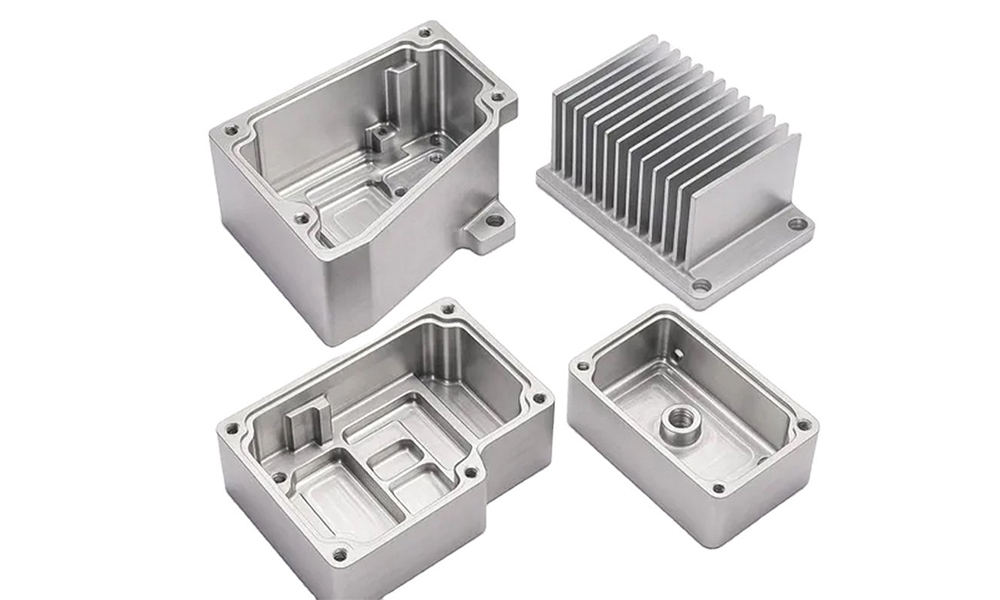
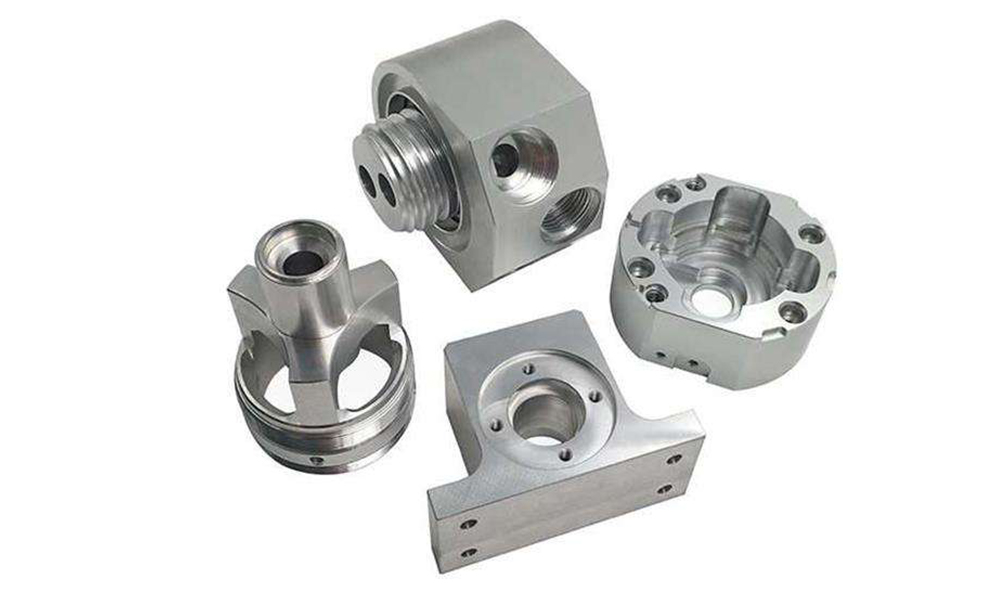
At the same time, customers are demanding higher precision and greater customization. Industrial equipment often requires complex CNC machining, sheet metal fabrication, laser cutting, bending and welding processes. Suppliers need advanced equipment and strong engineering capabilities to meet increasingly precise specifications.
Opportunities in the Global Market
Despite these challenges, the industry offers significant opportunities.
The growing adoption of automation and Industry 4.0 is increasing demand for intelligent machinery and precision components. Manufacturers that integrate CNC equipment, robotics, automated inspection and digital production management can improve productivity and reduce manufacturing errors.
Customization is another important opportunity. Instead of purchasing standardized components, many industrial machinery companies require custom metal parts designed for specific equipment. This creates demand for flexible suppliers capable of supporting projects from prototypes and small batches to mass production.
Sustainability is also becoming increasingly important. Energy-efficient machinery, optimized material utilization and low-waste manufacturing processes can help companies reduce operating costs while meeting environmental requirements.
Future Trends in Industrial Machinery Manufacturing
Several trends are expected to shape the industry in the coming years.
Smart manufacturing will become more widespread. Production equipment will increasingly use connected sensors, automation and data analysis to monitor production performance and improve efficiency.
AI-assisted manufacturing is another emerging trend. Artificial intelligence can support production planning, quality inspection, predictive maintenance and process optimization, helping manufacturers make faster and more data-driven decisions.
Advanced automation and robotics will also play a larger role. Automated material handling, robotic welding and intelligent CNC production can help manufacturers achieve stable quality and higher production efficiency.
Meanwhile, digital engineering and flexible manufacturing will make it easier to move from CAD design to prototypes and final production. This is particularly valuable for industrial machinery companies that require frequent product modifications or customized components.
Choosing the Right Manufacturing Partner
For international buyers, selecting a reliable manufacturing partner is becoming increasingly important. Buyers should evaluate a supplier's production capacity, machining and fabrication capabilities, quality control system, engineering support, communication and delivery performance.
A capable metal fabrication and CNC machining supplier can provide integrated services such as laser cutting, CNC machining, bending, welding, surface treatment and assembly. This can simplify procurement and improve consistency across different components.
Conclusion
Global industrial machinery manufacturing is moving toward greater automation, customization, digitalization and sustainability. Although manufacturers face cost pressures and supply chain challenges, technological development is creating new opportunities for companies that can adapt quickly.
For global buyers, working with experienced manufacturing partners that combine advanced equipment, engineering expertise and reliable quality control can support more efficient product development and long-term supply chain growth.
