

How CNC Machining Improves Precision in Industrial Machinery Components
Precision is one of the most important requirements in modern industrial machinery. Machine components must fit together accurately, operate smoothly, and maintain stable performance under demanding working conditions. CNC machining has become a key manufacturing technology for producing high-precision industrial machinery components.
What Is CNC Machining?
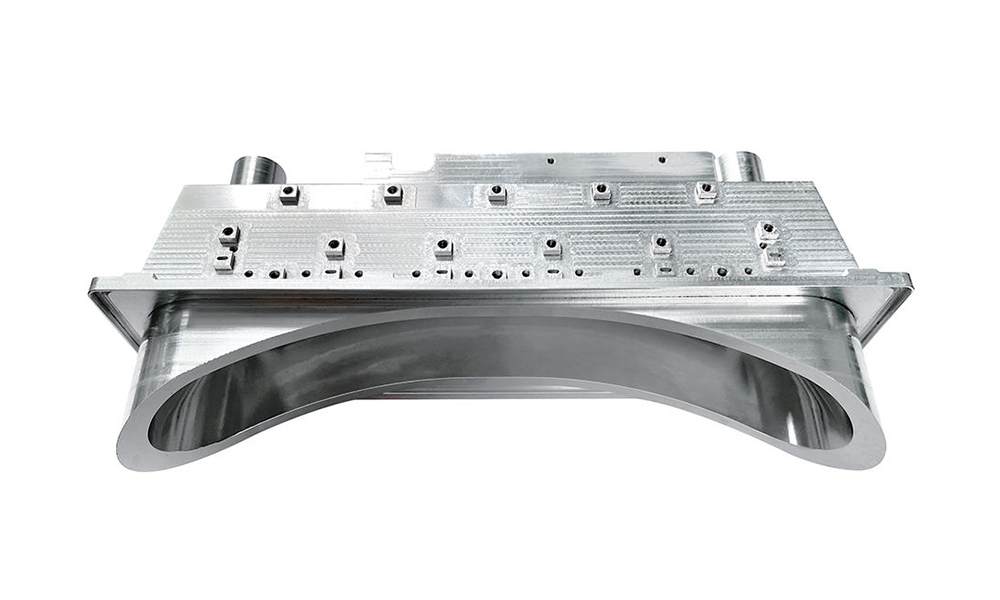
CNC, or Computer Numerical Control, uses computer programs to control machine tools during the manufacturing process. CNC milling, turning, drilling, and other operations can remove material from metal workpieces according to precise digital designs.
Unlike conventional manual machining, CNC machining can automatically follow programmed tool paths. This allows manufacturers to produce complex components with consistent dimensions and repeatable accuracy.
Tight Tolerances and Consistent Dimensions
One of the biggest advantages of CNC machining is its ability to maintain tight tolerances. Industrial machinery often contains shafts, gears, brackets, housings, connecting parts, and other components that must fit together precisely.
Even a small dimensional deviation can cause vibration, premature wear, assembly problems, or reduced machine performance. CNC machining minimizes these variations by using computer-controlled movements and carefully defined machining parameters.
For OEM manufacturers, consistent dimensions are particularly important when producing hundreds or thousands of identical components.
Complex Geometries Made Possible
Modern industrial machinery increasingly requires components with complex shapes and detailed features. Traditional manufacturing methods may have limitations when producing deep cavities, curved surfaces, small holes, or multi-axis geometries.
Advanced CNC machining centers can perform multiple operations with high precision. Multi-axis machining can also reduce the need for repeated repositioning of the workpiece, improving accuracy while reducing production time.
Better Repeatability for Mass Production
Precision is not only about producing one accurate component. It is also about reproducing the same quality throughout an entire production run.
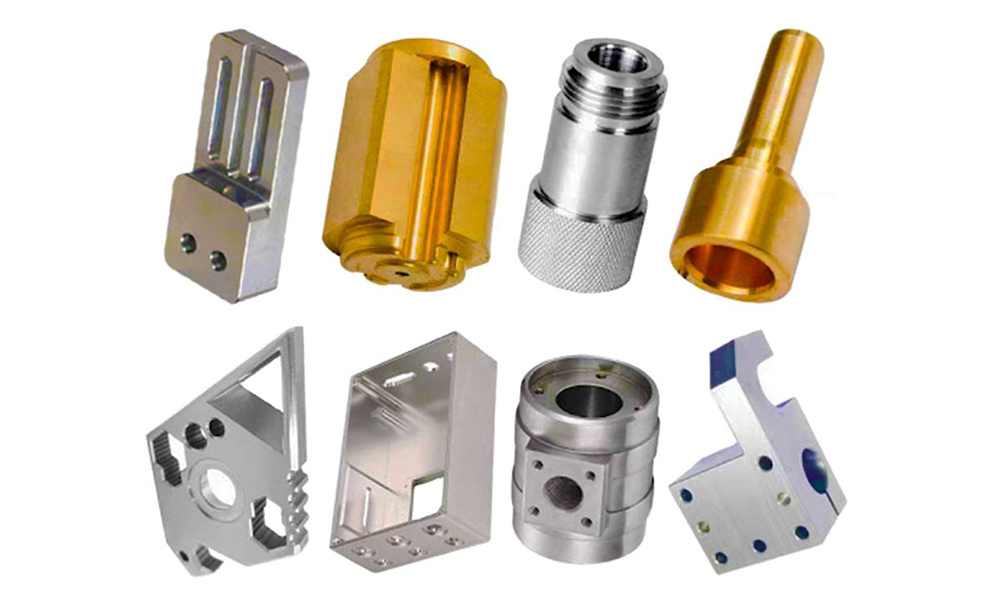
CNC machines use stored digital programs, allowing the same machining parameters to be applied repeatedly. Once the process has been properly optimized, manufacturers can produce large quantities of components with consistent dimensions and surface quality.
This repeatability makes CNC machining suitable for both prototypes and mass production.
Combining CNC Machining with Quality Control
CNC machining works best when supported by an effective quality control system. During production, manufacturers can use precision measuring equipment to inspect critical dimensions, tolerances, and surface conditions.
Process monitoring and inspection data can also help identify potential problems before they affect a large production batch. This combination of advanced machining technology and professional quality management helps improve overall reliability.
Why CNC Machining Matters for Industrial Machinery
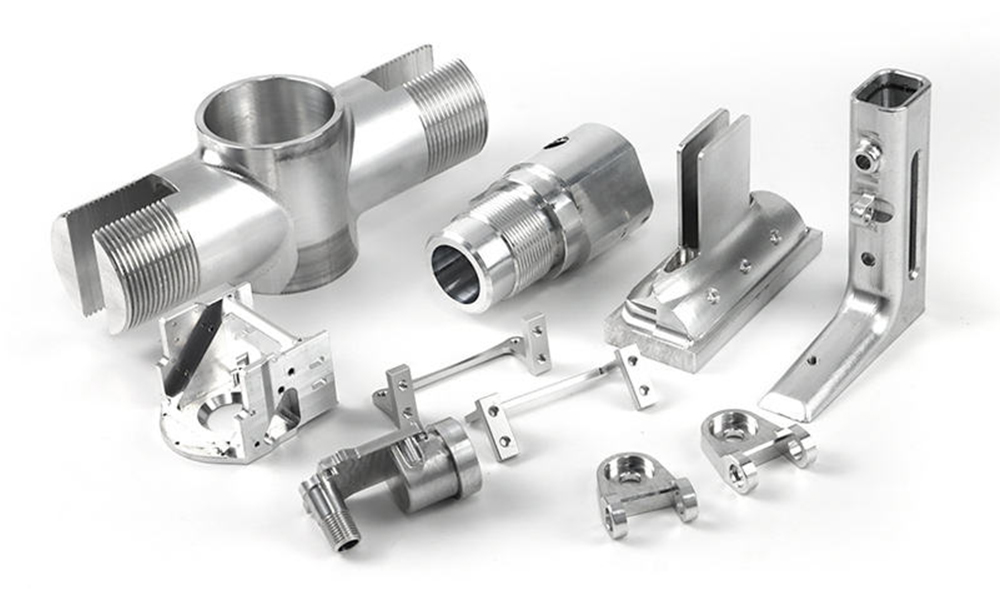
For machinery manufacturers, precision components can improve assembly efficiency, operating stability, service life, and overall equipment performance. CNC machining also provides flexibility when customers require customized dimensions, materials, or designs.
At ZFYL Metal, we provide customized CNC machining services for industrial machinery components and other metal parts. Our capabilities include CNC milling, CNC turning, precision machining, laser cutting, sheet metal fabrication, bending, welding, and surface treatment.
From prototypes to high-volume production, we work according to customer drawings and technical requirements. By combining CNC technology, experienced engineering teams, and strict quality control, we help global customers manufacture reliable and precise metal components.
As industrial machinery continues to demand higher performance and greater efficiency, precision CNC machining will remain an essential part of modern manufacturing.
