

How to Improve Corrosion Resistance of Metal Parts
Corrosion is one of the biggest challenges in metal manufacturing. Exposure to moisture, chemicals, salt spray, and extreme temperatures can gradually damage metal components, reducing their performance, appearance, and service life. For industries such as automotive, construction, marine, electronics, and industrial equipment, improving corrosion resistance is essential for ensuring product reliability and lowering maintenance costs.
Fortunately, there are several effective methods to protect metal parts from corrosion. By selecting the right materials, applying suitable surface treatments, and optimizing product design, manufacturers can significantly extend the lifespan of metal components.
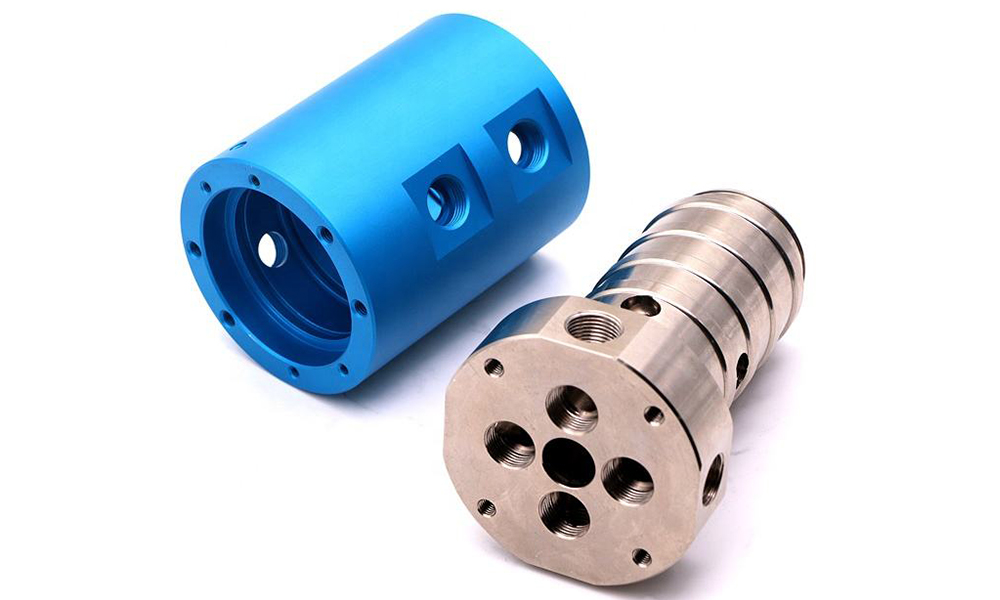
1. Choose Corrosion-Resistant Materials
The first step in preventing corrosion is selecting the appropriate material for the application.
Stainless steel is one of the most popular corrosion-resistant metals because it contains chromium, which forms a protective oxide layer on the surface. Grades such as 304 stainless steel are suitable for general environments, while 316 stainless steel offers superior resistance in marine and chemical applications due to its molybdenum content.
Aluminum is another excellent choice. It naturally develops a thin oxide layer that protects it from further oxidation, making it ideal for lightweight structures and outdoor products.
Galvanized steel, copper alloys, and certain nickel-based alloys also provide good corrosion resistance depending on the operating environment.
2. Apply Protective Surface Treatments
Surface finishing is one of the most effective ways to improve corrosion resistance.
Powder coating creates a thick, durable barrier that protects metal from moisture, UV exposure, and chemicals. It is widely used for outdoor furniture, industrial equipment, and architectural components.
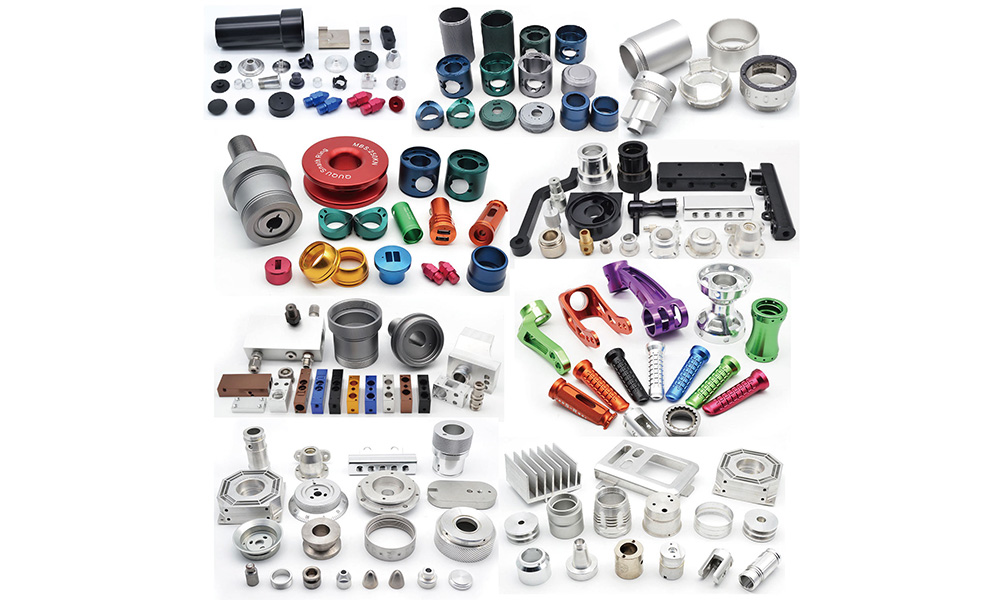
Anodizing is commonly applied to aluminum parts. This electrochemical process strengthens the natural oxide layer, increasing both corrosion resistance and surface hardness.
Electroplating deposits a protective layer of zinc, nickel, or chrome onto metal parts. Zinc plating provides economical corrosion protection, while nickel and chrome plating improve both durability and appearance.
E-coating (Electrophoretic Coating) offers uniform coverage even on complex geometries, making it a preferred solution for automotive chassis, brackets, and industrial assemblies.
3. Improve Product Design
Good engineering design can greatly reduce the risk of corrosion.
Avoid creating areas where water or chemicals can accumulate. Add drainage holes where necessary and design smooth surfaces that are easy to clean. Sharp corners, narrow gaps, and overlapping joints may trap moisture and accelerate corrosion.
For assemblies using different metals, minimize direct contact between dissimilar materials to prevent galvanic corrosion. Insulating washers or protective coatings can effectively reduce this risk.
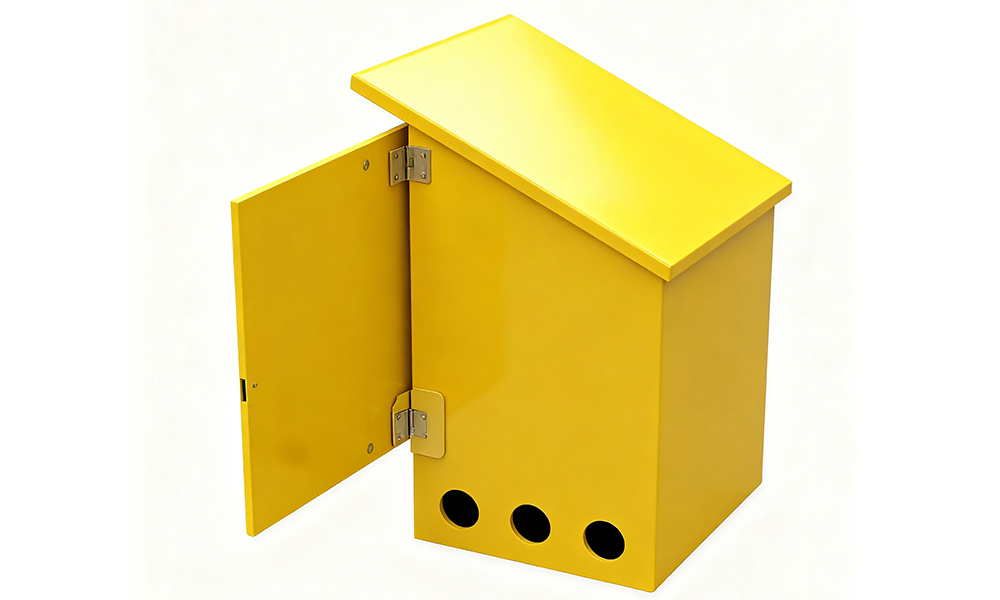
4. Ensure High Manufacturing Quality
Surface defects such as scratches, welding spatter, burrs, and contamination can become starting points for corrosion.
Precision laser cutting, CNC machining, proper deburring, polishing, and thorough cleaning before coating all contribute to better corrosion protection. Consistent coating thickness and proper curing processes are equally important for achieving long-lasting performance.
Quality inspections, including coating thickness measurement and salt spray testing, help verify that finished parts meet corrosion resistance requirements.
5. Perform Regular Maintenance
Even the best protective coatings require periodic inspection in harsh environments.
Cleaning dirt, salt deposits, and chemical residues helps prevent surface degradation. Small scratches or damaged coatings should be repaired promptly to stop corrosion from spreading. Routine maintenance significantly extends the service life of metal products used outdoors or in industrial environments.
Choosing the Right Solution
Different applications require different corrosion protection strategies.
Indoor equipment: Powder coating or zinc plating is usually sufficient.
Outdoor products: Powder coating combined with galvanized steel provides excellent durability.
Marine environments: 316 stainless steel with additional protective coatings offers superior performance.
Automotive components: E-coating followed by powder coating delivers outstanding corrosion resistance.
Electronics and precision parts: Nickel plating or anodizing provides both protection and an attractive finish.
Selecting the right combination of material, surface treatment, and manufacturing process ensures optimal performance while controlling production costs.
Conclusion
Improving the corrosion resistance of metal parts is a comprehensive process that begins with smart material selection and continues through quality manufacturing, effective surface finishing, and proper maintenance. By investing in corrosion prevention, manufacturers can reduce warranty claims, minimize maintenance expenses, and deliver products with longer service lives.
At ZFYL Metal, we specialize in precision sheet metal fabrication, CNC machining, laser cutting, welding, stamping, and comprehensive surface finishing solutions. Whether your project requires powder coating, anodizing, electroplating, or E-coating, our experienced engineering team can recommend the most suitable corrosion protection strategy for your specific application.
Partner with ZFYL Metal to manufacture durable, high-quality metal components that perform reliably even in the most demanding environments.
