

How to Improve the Quality of Custom Sheet Metal Fabrication
Custom sheet metal fabrication is widely used in industrial machinery, automotive equipment and metal enclosures. However, inconsistent dimensions, surface defects and assembly problems can affect product performance and increase costs. Improving quality requires careful control at every stage, from design and material selection to final inspection.
1. Choose the Right Material
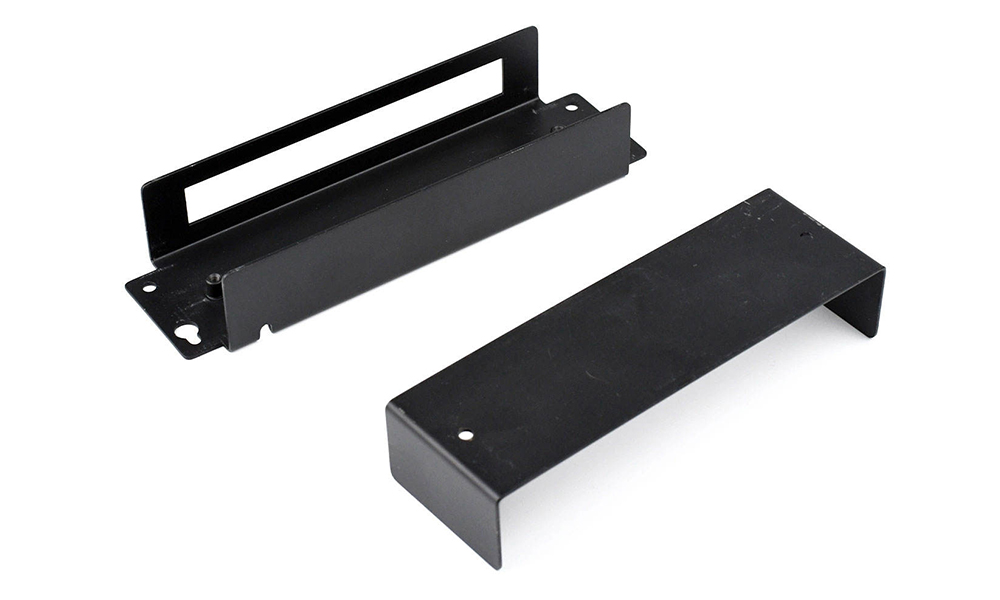
Material selection directly affects strength, corrosion resistance and processing performance. Carbon steel is suitable for many structural parts, while stainless steel offers better corrosion resistance. Aluminum is lightweight and easy to form for specific applications.
Buyers should confirm material grade, thickness and required mechanical properties before production. Reliable material sourcing also helps ensure consistent quality between batches.
2. Optimize Product Design
A design that considers manufacturing requirements can reduce defects and costs. Appropriate bend radii, hole spacing and tolerances help prevent cracking, deformation and unnecessary processing.
Providing clear 2D drawings or 3D CAD files allows suppliers to review manufacturability before production. Design for Manufacturing (DFM) reviews can identify potential problems early.
3. Use Suitable Processing Equipment
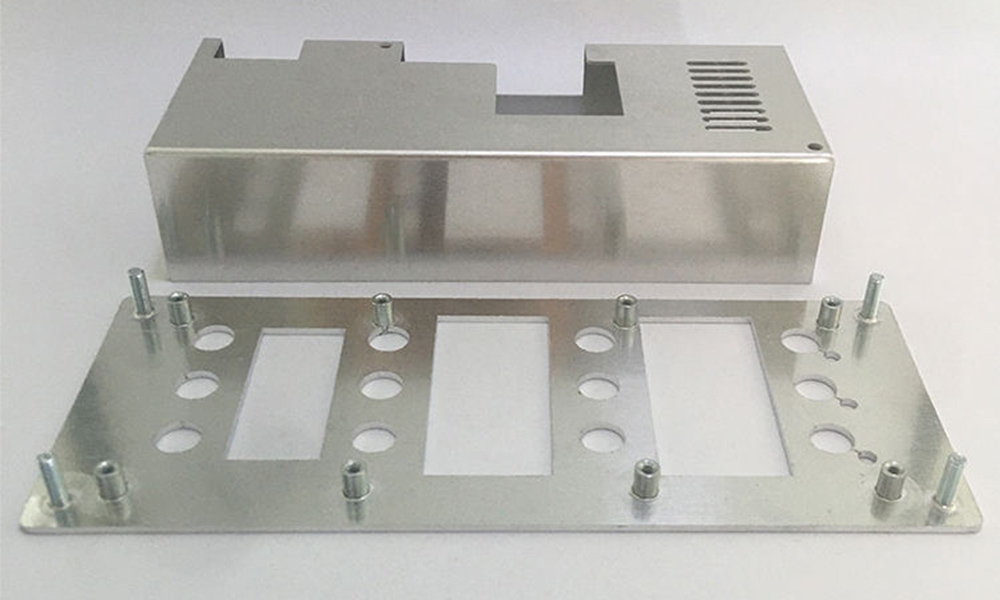
Advanced equipment helps improve precision and repeatability. Laser cutting produces accurate profiles, while CNC bending supports consistent angles and dimensions. Proper tooling and parameter settings are essential for achieving stable results.
For complex parts, coordinating cutting, bending, welding and assembly processes helps reduce dimensional variation between operations.
4. Strengthen Process and Quality Control
Quality should be checked throughout production, not only at the end. First-article inspection helps verify dimensions before batch manufacturing. In-process checks can identify deviations early, reducing scrap and rework.
Depending on project requirements, suppliers may use measuring instruments, visual inspection and documented inspection records to verify critical dimensions and surface quality.
5. Control Welding and Surface Finishing
Welding heat can cause distortion if procedures and fixtures are not properly managed. Suitable welding parameters and sequence planning help maintain part geometry.
Surface treatments such as powder coating, anodizing and electroplating should also match the material and application. Proper preparation improves coating adhesion, appearance and corrosion resistance.
6. Work with a Reliable Supplier
An experienced custom sheet metal fabrication supplier should provide technical support, transparent communication and consistent quality management. Before ordering, confirm production capacity, inspection standards, lead times and packaging requirements.
Conclusion
Improving custom sheet metal fabrication quality depends on material selection, design optimization, suitable equipment and effective inspection. By working closely with a capable manufacturing partner, buyers can reduce defects, control costs and receive parts that meet their specifications.
Looking for reliable custom sheet metal fabrication? Contact ZFYL Metal with your drawings, material details and order quantity to discuss your project requirements.
