

Surface Treatments Explained: Powder Coating, Anodizing, Electroplating and E-Coating
Surface treatment is one of the most important steps in metal manufacturing. It not only improves the appearance of a product but also enhances corrosion resistance, wear resistance, electrical properties, and overall service life. Choosing the right finishing process can significantly affect product performance, maintenance costs, and customer satisfaction.
Among the many finishing methods available, powder coating, anodizing, electroplating, and e-coating are four of the most widely used solutions in modern metal fabrication. Understanding their differences helps engineers, buyers, and product designers select the most suitable option for their projects.
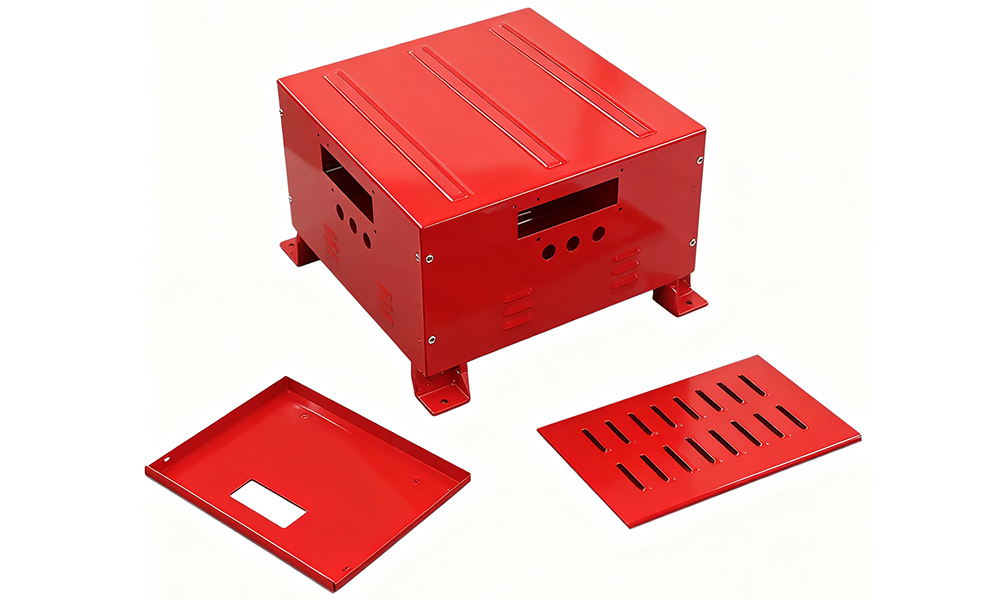
Powder Coating
Powder coating is a dry finishing process in which electrostatically charged powder is sprayed onto a metal surface and then cured in an oven. The heat melts the powder into a smooth, durable coating.
Advantages
Excellent corrosion and weather resistance
Durable, scratch-resistant finish
Available in thousands of colors and textures
Environmentally friendly with low VOC emissions
Cost-effective for medium and high-volume production
Typical Applications
Powder coating is widely used for outdoor furniture, automotive components, industrial equipment, electrical enclosures, agricultural machinery, shelving systems, and architectural metal products.
Anodizing
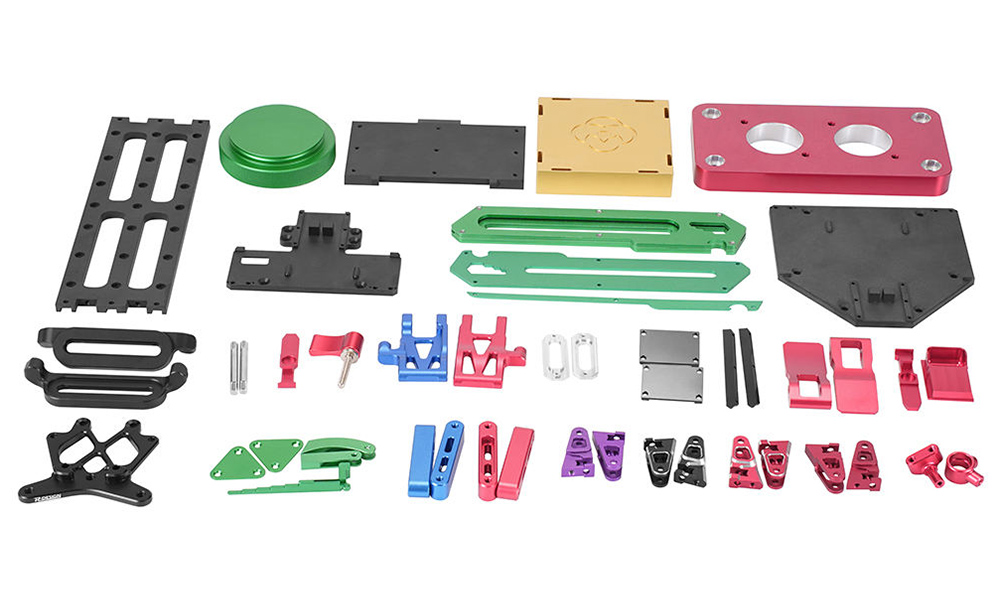
Anodizing is an electrochemical process mainly used for aluminum and aluminum alloys. Instead of adding a coating, anodizing converts the metal surface into a hard, protective oxide layer.
Advantages
Superior corrosion resistance
Increased surface hardness
Attractive metallic appearance
Lightweight finish that won't peel or chip
Available in multiple colors through dyeing
Typical Applications
Anodized aluminum is commonly found in consumer electronics, aerospace parts, bicycles, medical devices, camera housings, and architectural components.
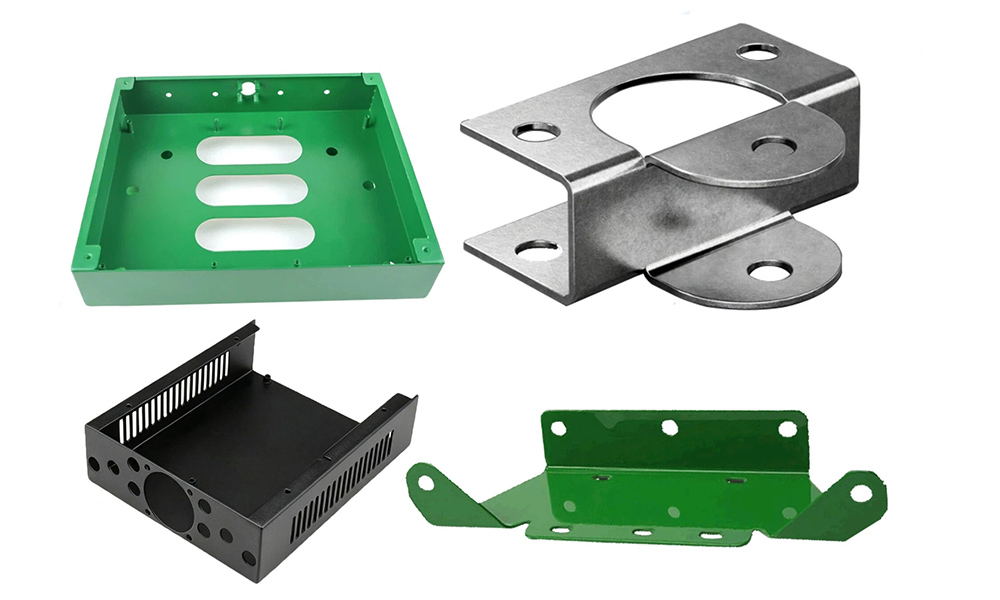
Electroplating
Electroplating deposits a thin layer of metal onto a workpiece using an electric current. Common plating materials include zinc, nickel, chrome, copper, silver, and gold.
Advantages
Improved corrosion protection
Enhanced wear resistance
Better electrical conductivity
Decorative appearance
Increased surface hardness
Typical Applications
Electroplating is widely used for automotive parts, fasteners, electronic connectors, hardware, household appliances, and decorative metal products.
Different plating materials serve different purposes. Zinc plating offers economical corrosion protection, nickel plating provides excellent wear resistance, while chrome plating delivers a bright decorative finish with exceptional hardness.
E-Coating
Electrophoretic coating, commonly known as E-coating, uses an electrically charged paint bath to create an even protective layer over metal parts. After deposition, the coating is cured in an oven.
Advantages
Uniform coating thickness
Excellent coverage on complex geometries
Outstanding corrosion resistance
High production efficiency
Ideal for automated mass production
Typical Applications
E-coating is extensively used in automotive frames, chassis components, agricultural machinery, electrical cabinets, HVAC equipment, and industrial metal assemblies.
Which Surface Treatment Should You Choose?
The ideal finishing process depends on your material, application, environment, and budget.
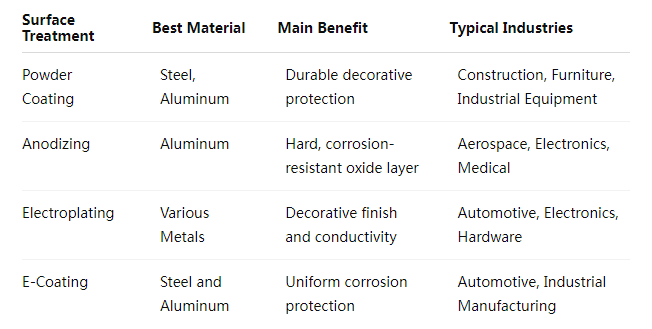
For outdoor applications requiring attractive finishes, powder coating is often the preferred choice. If lightweight aluminum components require excellent corrosion resistance, anodizing provides long-lasting performance. Electroplating is ideal when conductivity, decorative appearance, or enhanced hardness is required. For complex parts requiring complete corrosion protection, E-coating delivers outstanding coverage and consistency.
Conclusion
Surface treatment is far more than a cosmetic process—it directly impacts durability, functionality, and product quality. Selecting the right finishing method helps extend product lifespan, reduce maintenance costs, and improve customer satisfaction.
At ZFYL Metal, we provide comprehensive metal fabrication services including laser cutting, CNC machining, sheet metal fabrication, welding, stamping, bending, and professional surface finishing. Whether your project requires powder coating, anodizing, electroplating, or E-coating, our experienced engineering team can recommend the most suitable solution based on your product requirements, operating environment, and budget.
Partner with us to transform precision metal components into durable, high-performance products that meet the highest industry standards.
