

Sustainable Manufacturing: How Industrial Machinery Companies Can Reduce Waste and Energy Costs
Sustainability is becoming an increasingly important part of global industrial manufacturing. For industrial machinery companies, reducing waste and energy consumption is not only an environmental responsibility but also an effective way to improve production efficiency and control operating costs. By adopting smarter technologies and optimizing manufacturing processes, companies can create more efficient and competitive production systems.
What Is Sustainable Manufacturing?
Sustainable manufacturing focuses on producing high-quality products while minimizing the use of raw materials, energy, and other resources. In industrial machinery production, this includes reducing metal scrap, improving equipment efficiency, controlling production defects, and using recyclable materials.
For international OEM customers, sustainable manufacturing can also contribute to a more reliable and cost-effective global supply chain.
1. Optimize Raw Material Utilization
Metal materials account for a significant portion of manufacturing costs. Optimizing material utilization is therefore one of the most direct ways to reduce waste.
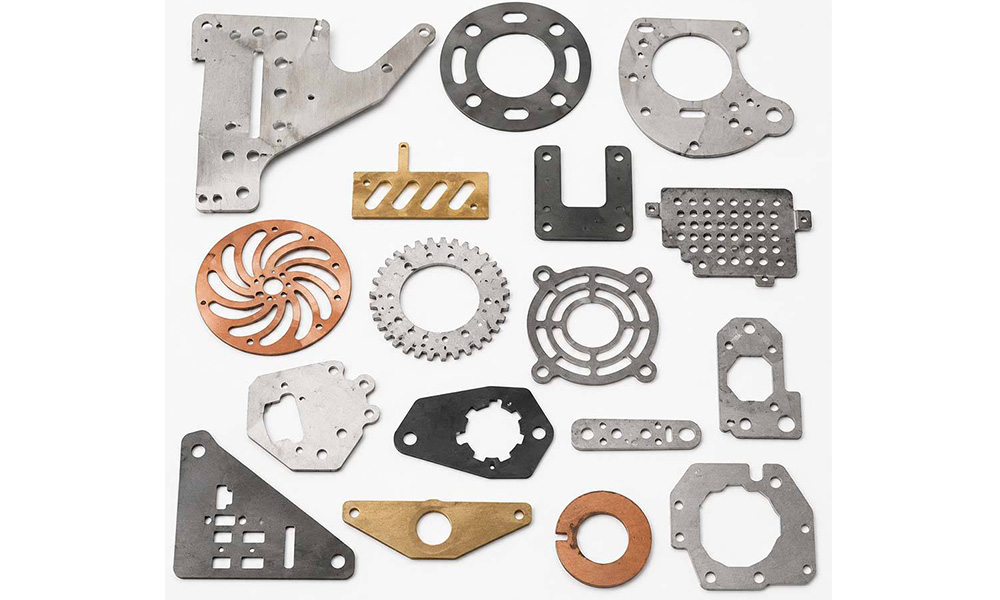
Modern laser cutting systems can work with nesting software to arrange multiple parts efficiently on a sheet, reducing unused areas and minimizing scrap. CNC machining processes can also be optimized to reduce unnecessary material removal.
Metal scrap from cutting, stamping, and machining can be collected, sorted, and recycled, helping manufacturers reduce dependence on new raw materials.
2. Improve Production Efficiency
Production inefficiency often leads to unnecessary material and energy consumption. Defective parts, repeated processing, excessive machine idle time, and inefficient workflows can all increase costs.
Manufacturers can apply lean manufacturing principles to identify unnecessary operations and improve production flow. Automated CNC machining, robotic welding, and digital production monitoring can also improve consistency and reduce rework.
Fewer defective components mean less wasted material, labor, and energy.
3. Invest in Energy-Efficient Equipment
Modern manufacturing equipment is generally designed to deliver higher productivity with improved energy efficiency. Fiber laser cutting machines, advanced CNC machining centers, servo-driven press brakes, and automated welding systems can help reduce energy consumption per part.
Regular equipment maintenance is equally important. Poorly maintained machines may consume more energy and operate less efficiently. Preventive maintenance helps maintain stable performance and extend equipment service life.
4. Use Smart Manufacturing Technologies
Digitalization is creating new opportunities for energy and waste reduction. Sensors and production management systems can monitor machine performance, energy consumption, temperature, and production efficiency in real time.
Manufacturers can use this information to identify inefficient processes and adjust production parameters. Automated scheduling can also reduce machine idle time and improve equipment utilization.
Combined with AI and Industry 4.0 technologies, data-driven manufacturing can support continuous improvement across the factory.
5. Improve Product Design
Sustainability starts before manufacturing begins. Applying Design for Manufacturability (DFM) can help engineers reduce unnecessary features, optimize material thickness, simplify assembly, and minimize machining requirements.
A well-designed industrial machinery component may require fewer production steps and less material while maintaining the required strength and performance.
Close cooperation between customers and manufacturing suppliers during the design stage can therefore create both technical and environmental benefits.
6. Reduce Waste Through Better Quality Control
Quality problems can create significant hidden waste. A defective part may require additional machining, rework, replacement materials, or complete remanufacturing.
Automated inspection systems, CMM measurement, machine vision, and real-time process monitoring can detect problems earlier. Better quality control reduces scrap and helps manufacturers maintain stable production.
7. Build a More Sustainable Supply Chain
Sustainable manufacturing also involves supplier selection and logistics. Working with suppliers that provide multiple processes—such as sheet metal fabrication, CNC machining, laser cutting, welding, and surface finishing—can reduce transportation between different production facilities.
A well-integrated supplier can simplify project management, shorten lead times, and reduce unnecessary logistics-related energy consumption.
Conclusion
For industrial machinery companies, sustainable manufacturing is closely connected with efficiency and cost control. By optimizing material utilization, improving production processes, investing in energy-efficient equipment, adopting smart manufacturing technologies, and strengthening quality management, manufacturers can reduce waste while maintaining product quality.
For global OEM buyers, partnering with a manufacturing supplier that combines advanced technology with responsible production practices can support both business performance and long-term sustainability. As the industrial machinery market continues to evolve, efficient and resource-conscious manufacturing will become increasingly important for competitive global production.
