

Stainless Steel Surface Finish Guide
Stainless steel is widely used in industries such as construction, automotive, medical equipment, food processing, and industrial manufacturing because of its excellent corrosion resistance, durability, and modern appearance. However, the performance and appearance of stainless steel products are heavily influenced by their surface finish. Choosing the right stainless steel surface finish not only improves aesthetics but also affects corrosion resistance, cleanability, and product lifespan.
This guide explains the most common stainless steel surface finishes, their characteristics, and their typical applications.
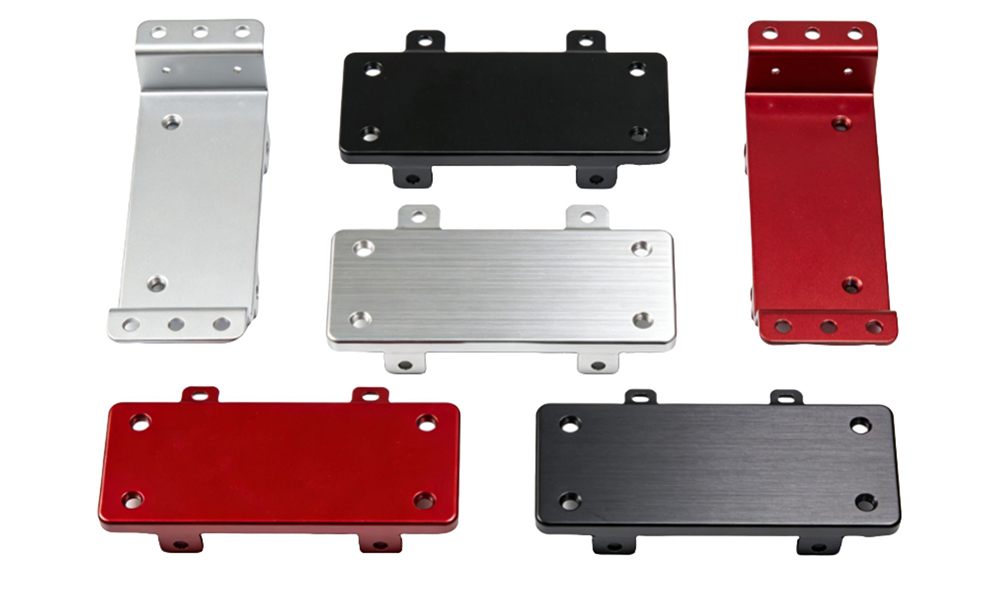
What Is a Stainless Steel Surface Finish?
A stainless steel surface finish refers to the texture, appearance, and treatment applied to the surface of stainless steel during or after manufacturing. Surface finishes can be achieved through mechanical processing, chemical treatment, polishing, or coating processes.
Different finishes are selected based on functional requirements, environmental conditions, and visual expectations. Some finishes prioritize appearance, while others focus on durability, hygiene, or wear resistance.
Mill Finishes
Mill finishes are the basic finishes produced directly during the stainless steel rolling process. They are commonly used as the starting point for further surface treatment.
No.1 Finish
No.1 finish is produced by hot rolling, annealing, and pickling. It has a rough and dull appearance and is mainly used for industrial equipment, structural applications, and environments where surface appearance is not critical.
2B Finish
2B finish is one of the most common stainless steel finishes. It is smooth, reflective, and produced through cold rolling followed by annealing and pickling. This finish offers good corrosion resistance and is widely used in kitchen equipment, industrial machinery, and fabrication projects.
BA Finish (Bright Annealed)
Bright Annealed finish provides a smooth, highly reflective surface created under controlled atmospheric conditions during annealing. It is commonly used in decorative applications, appliances, and precision components.
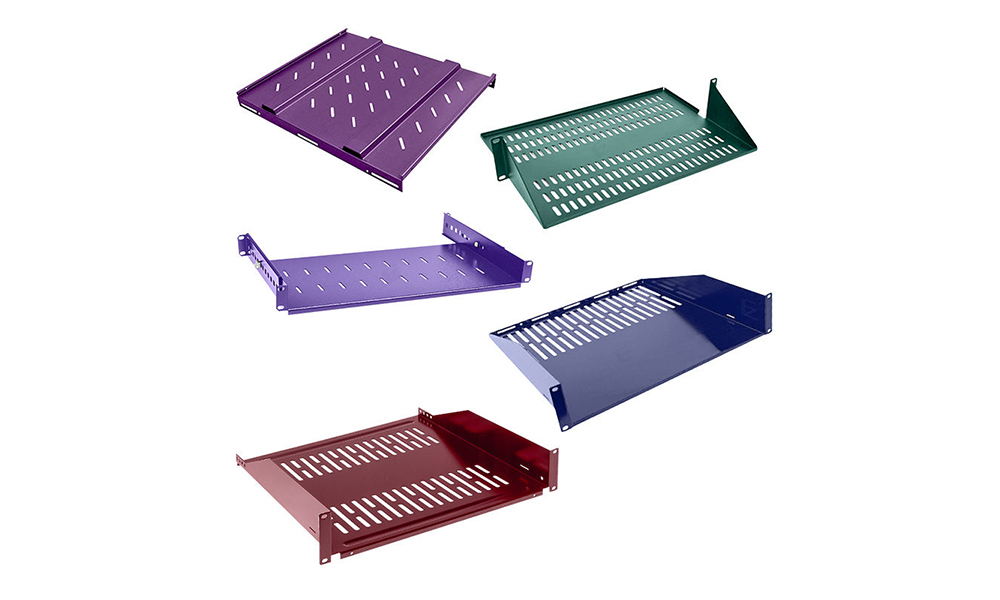
Polished Finishes
Polished stainless steel finishes improve both appearance and surface smoothness. These finishes are achieved through mechanical polishing processes using abrasives.
No.4 Finish
No.4 finish features fine polishing lines and a satin-like appearance. It is one of the most widely used finishes for architectural panels, elevators, kitchen equipment, and food processing equipment.
Hairline Finish
Hairline finish has continuous fine linear textures that create a modern and elegant appearance. It is often used in interior decoration, furniture, and architectural applications.
Mirror Finish
Mirror finish is produced through extensive polishing to create a highly reflective surface. This finish is commonly used for decorative panels, luxury products, and high-end architectural designs.
Bead Blasted and Matte Finishes
Bead blasting creates a uniform matte texture by blasting fine particles onto the stainless steel surface. This finish reduces glare and fingerprints while giving the material a modern industrial appearance. It is widely used in consumer electronics, architectural projects, and decorative metal products.
Electropolishing
Electropolishing is an electrochemical process that removes a thin surface layer to improve smoothness and corrosion resistance. This finish is commonly used in medical equipment, pharmaceutical systems, and food-grade applications where hygiene is essential.
Choosing the Right Surface Finish
Selecting the correct stainless steel finish depends on several factors:
Appearance requirements
Corrosion resistance
Hygiene standards
Wear resistance
Maintenance needs
Application environment
For example, mirror finishes are ideal for decorative products, while electropolished surfaces are preferred in sanitary environments.
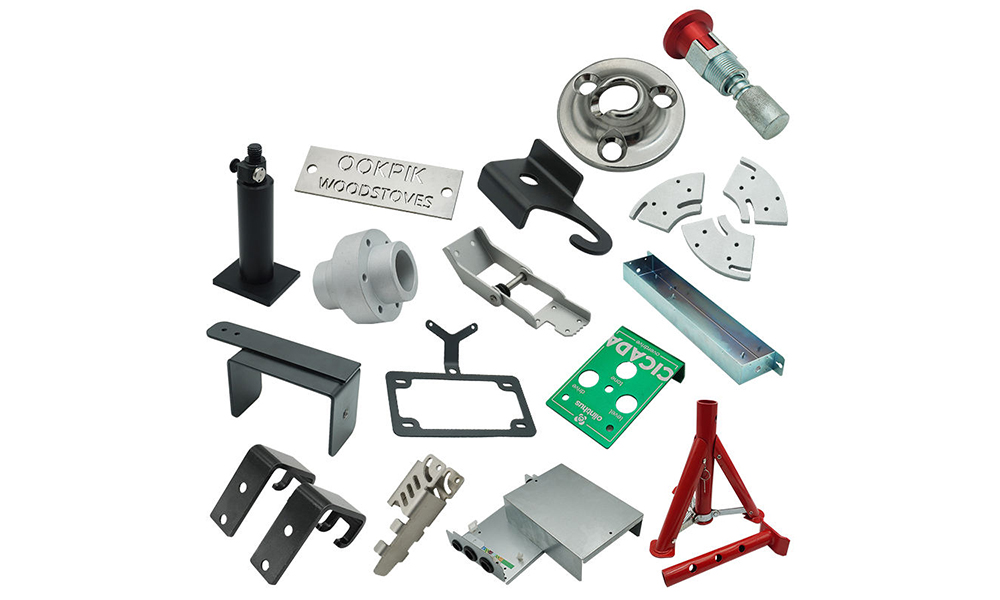
Applications Across Industries
Different surface finishes are used in various industries. Construction projects often use No.4 or hairline finishes for aesthetics, while industrial equipment may use 2B or No.1 finishes for functionality. Medical and food industries frequently require electropolished surfaces for improved cleanliness and corrosion resistance.
Conclusion
Stainless steel surface finishes play a critical role in determining both the appearance and performance of stainless steel products. From industrial mill finishes to decorative mirror polishing, each finish offers unique advantages for specific applications.
By understanding the characteristics of different stainless steel finishes, manufacturers and customers can select the most suitable option for durability, functionality, and visual appeal.
