

Precision Machining: The Backbone of Modern Manufacturing
In today’s highly competitive industrial environment, precision, efficiency, and consistency are more important than ever. Behind almost every advanced product — from aerospace components to medical devices — lies one critical process: machining. Mechanical machining transforms raw metal into high-precision parts that power industries around the world.
This blog explores what machining is, the main machining processes, their advantages, industry applications, and why choosing the right machining partner is essential for global buyers.
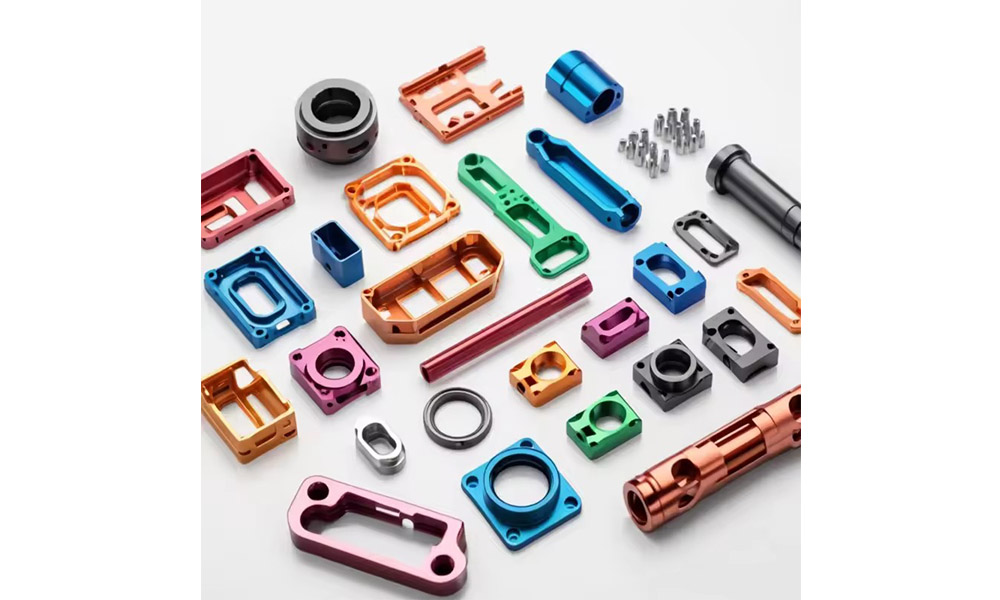
What Is Mechanical Machining?
Mechanical machining refers to the process of removing material from a workpiece to achieve a desired shape, size, and surface finish. Unlike casting or forging, machining focuses on subtractive manufacturing, where cutting tools remove excess material with extreme accuracy.
Machining can be performed manually, but today it is predominantly carried out using Computer Numerical Control (CNC) systems. CNC machining uses pre-programmed software to control machine tools, ensuring precision, repeatability, and efficiency.
Main Types of Machining Processes
Different projects require different machining techniques. The most common processes include:
1. CNC Turning
Turning is performed on a lathe where the workpiece rotates while a cutting tool shapes it. It is ideal for cylindrical components such as shafts, bushings, and threaded parts.
2. CNC Milling
Milling uses rotating cutting tools to remove material from stationary workpieces. It allows for complex shapes, slots, holes, and surface contours.
3. Drilling
Drilling creates precise holes with specific diameters and depths, often combined with tapping for threaded holes.
4. Grinding
Grinding improves surface finish and dimensional accuracy. It is commonly used for high-tolerance parts.
5. EDM (Electrical Discharge Machining)
EDM is used for intricate shapes or hard materials that are difficult to machine using traditional cutting tools.
Each process can be combined depending on the complexity of the component.
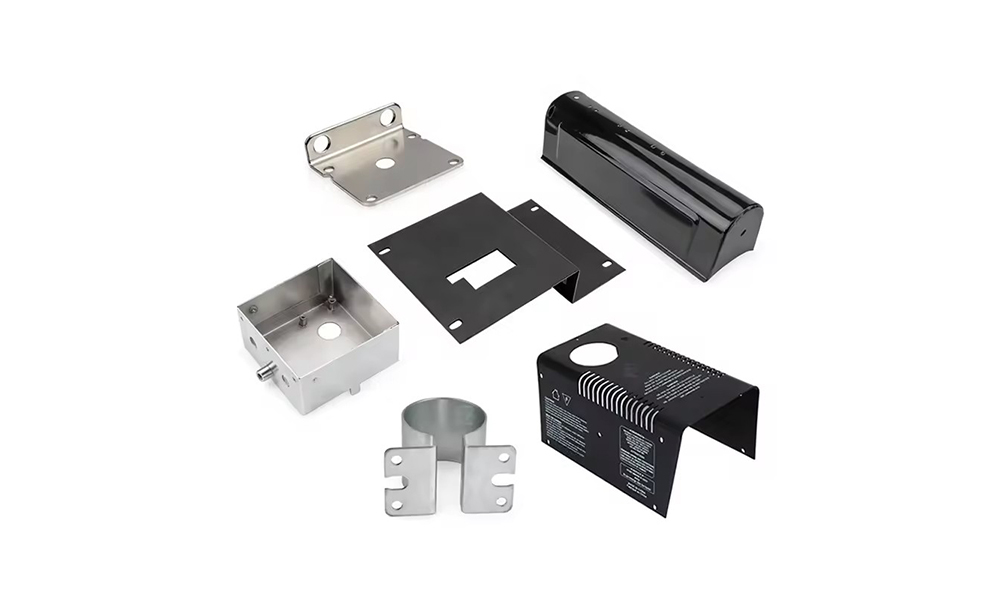
Materials Commonly Used in Machining
Machining is compatible with a wide range of materials, including:
Stainless steel
Carbon steel
Aluminum alloys
Brass and copper
Titanium
Engineering plastics
Material selection depends on mechanical strength requirements, corrosion resistance, thermal properties, and cost considerations.
Advantages of Precision Machining
High Accuracy and Tight Tolerances
CNC machining can achieve tolerances within microns, making it suitable for industries where precision is critical.
Excellent Surface Finish
Advanced cutting tools and finishing processes ensure smooth surfaces, reducing the need for additional treatments.
Flexibility for Customization
Machining allows full customization based on 2D drawings or 3D CAD files, making it ideal for OEM and ODM projects.
Strong Repeatability
Once programmed, CNC machines can produce identical parts consistently, ensuring stable quality in mass production.
Fast Prototyping
Machining enables rapid production of prototypes, accelerating product development cycles.
Industries That Rely on Machining
Machining plays a vital role across multiple sectors:
Aerospace
Aircraft components require lightweight materials and extremely tight tolerances for safety and performance.
Automotive
Engine parts, transmission components, and structural brackets depend on precision machining for reliability.
Medical Devices
Surgical instruments and implants require biocompatible materials and precise finishing.
Industrial Equipment
Machinery and automation systems rely on accurately machined gears, housings, and shafts.
Electronics
Heat sinks, enclosures, and connectors demand high dimensional accuracy and clean finishes.
Quality Control in Machining
Maintaining consistent quality is crucial in machining operations. Professional manufacturers typically implement:
Incoming material inspection
In-process quality checks
Coordinate Measuring Machine (CMM) inspection
Surface roughness testing
Hardness testing
Many reliable machining companies operate under internationally recognized standards such as ISO certification systems to ensure quality management compliance.
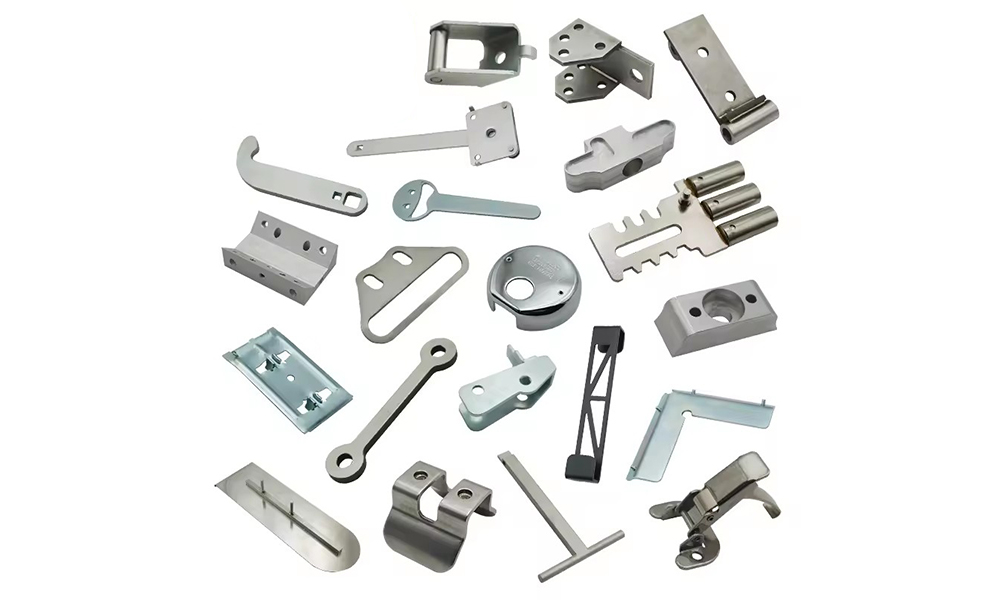
The Importance of Advanced CNC Technology
Modern machining centers integrate automation and digital control systems to improve productivity. Multi-axis CNC machines allow complex geometries to be completed in a single setup, reducing human error and increasing efficiency.
Smart manufacturing systems also enable:
Real-time production monitoring
Data-driven quality analysis
Reduced waste
Faster lead times
These advantages are particularly important for international clients who demand both precision and punctual delivery.
How to Choose the Right Machining Partner
For global buyers, selecting the right supplier is as important as the machining process itself. Consider the following factors:
1. Technical expertise and engineering support
2. Equipment capability (3-axis, 4-axis, or 5-axis CNC machines)
3. Experience in exporting and international logistics
4. Quality control systems
5. Communication efficiency and response time
A reliable machining partner should not only manufacture parts but also provide design optimization suggestions to improve manufacturability and reduce costs.
Future Trends in Machining
The machining industry continues to evolve with technological innovation:
Integration with CAD/CAM software
Automation and robotics
Hybrid manufacturing (machining + additive manufacturing)
Sustainable machining practices
AI-driven predictive maintenance
These advancements enhance precision while lowering operational costs and environmental impact.
Conclusion
Mechanical machining remains one of the most essential processes in modern manufacturing. Its ability to deliver high precision, repeatability, and customization makes it indispensable across industries ranging from aerospace to medical technology.
For businesses seeking reliable, high-quality components, partnering with an experienced machining manufacturer ensures that every detail — from raw material selection to final inspection — meets global standards.
As industries continue to demand greater accuracy and faster turnaround times, precision machining will remain the backbone of innovation and industrial excellence worldwide.
