

Current Status of the Machinery Manufacturing Industry in Global Trade
In recent years, the machinery manufacturing industry has undergone significant transformation, driven by technological innovation, shifting global supply chains, and evolving market demands. As a cornerstone of industrial development, this sector plays a critical role in supporting infrastructure, energy, transportation, and production across the world. For companies engaged in foreign trade, understanding the current landscape is essential to remain competitive and identify new opportunities.
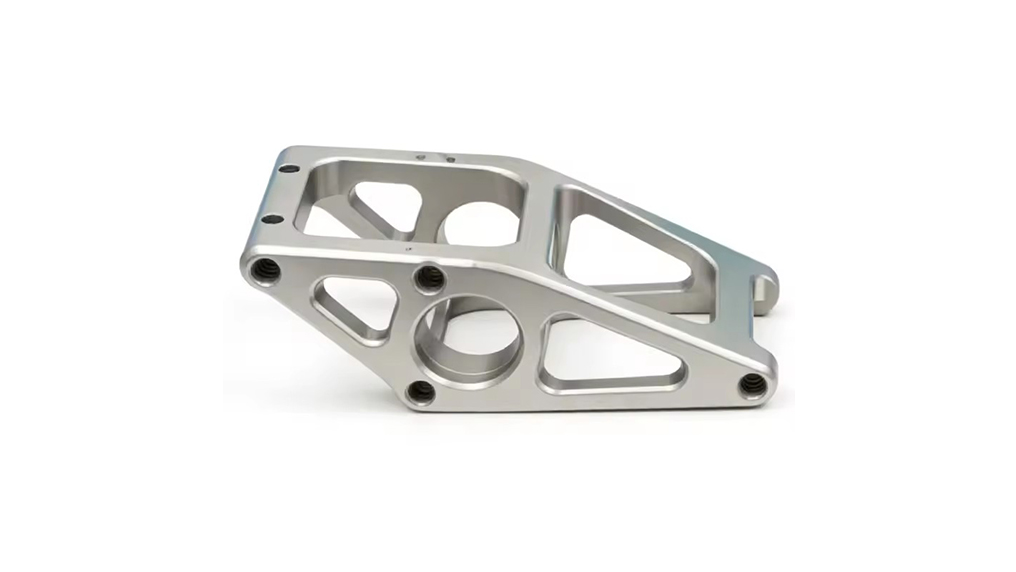
One of the most notable trends is the rapid adoption of automation and digitalization. Technologies such as Industrial Internet of Things (IIoT), artificial intelligence (AI), and smart manufacturing systems are increasingly integrated into production processes. These advancements improve efficiency, reduce labor costs, and enhance product precision. As a result, buyers in international markets are placing greater emphasis on technologically advanced and energy-efficient machinery.
At the same time, global supply chains are being reshaped. The impact of geopolitical tensions, trade policies, and the lessons learned from the COVID-19 pandemic have encouraged many countries to diversify their sourcing strategies. Instead of relying on a single supplier or region, companies are seeking multiple partners to reduce risks. This shift creates both challenges and opportunities for machinery exporters, who must demonstrate reliability, flexibility, and compliance with international standards.
Sustainability has also become a key concern in the machinery manufacturing sector. Governments and organizations worldwide are implementing stricter environmental regulations, pushing manufacturers to develop greener solutions. Energy-saving equipment, low-emission machinery, and recyclable materials are gaining popularity in global markets. Exporters who can meet these environmental requirements are more likely to gain a competitive advantage.
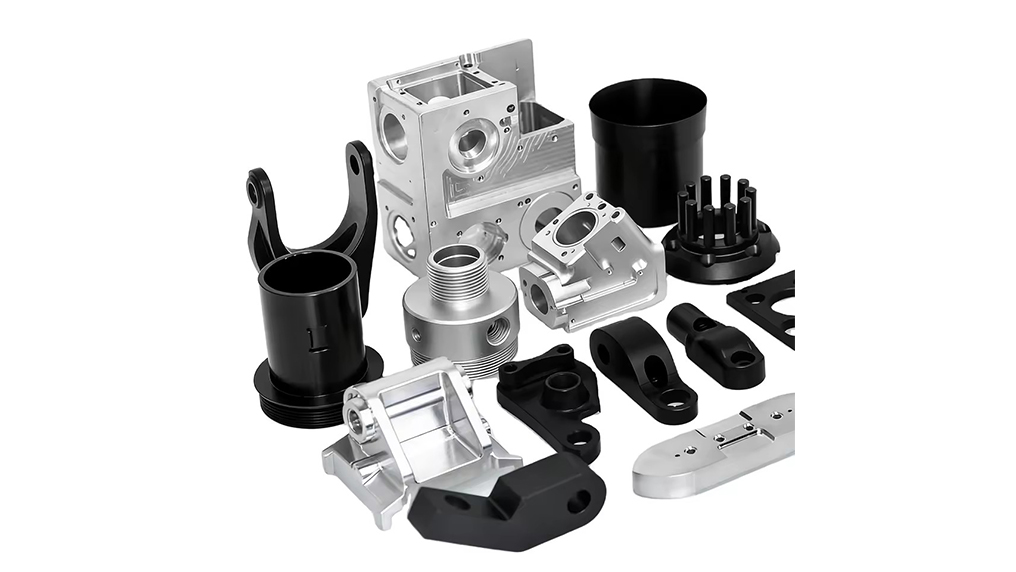
In addition, customization and after-sales service are becoming increasingly important. Customers are no longer satisfied with standard products; they expect tailored solutions that meet their specific operational needs. Moreover, reliable technical support, spare parts availability, and maintenance services are crucial factors influencing purchasing decisions in foreign trade.
However, the industry also faces several challenges. Rising raw material costs, labor shortages, and fluctuating exchange rates can impact profitability. Small and medium-sized enterprises (SMEs) may find it difficult to keep up with rapid technological changes due to limited resources. Furthermore, compliance with different countries’ certifications and regulations can increase operational complexity.
Looking ahead, the machinery manufacturing industry is expected to continue evolving toward higher efficiency, intelligence, and sustainability. Emerging markets in Southeast Asia, Africa, and Latin America present significant growth potential, as infrastructure development and industrialization accelerate in these regions. For foreign trade companies, success will depend on innovation, quality control, and the ability to adapt to changing global dynamics.
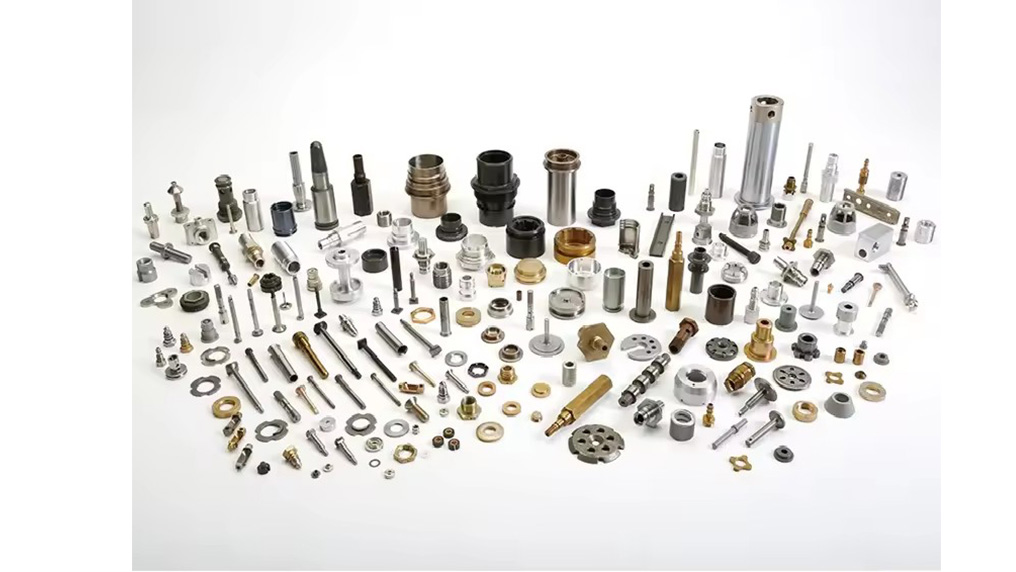
In conclusion, the current state of the machinery manufacturing industry is characterized by both transformation and opportunity. Companies that embrace technological advancement, prioritize sustainability, and strengthen global partnerships will be well-positioned to thrive in the competitive international market.
