

The Evolution and Impact of CNC Machining in Modern Manufacturing
Computer Numerical Control (CNC) machining has become a cornerstone of modern manufacturing, revolutionizing how parts and products are designed, produced, and refined. From aerospace components to everyday consumer goods, CNC technology enables precision, efficiency, and scalability that traditional manual machining simply cannot match.
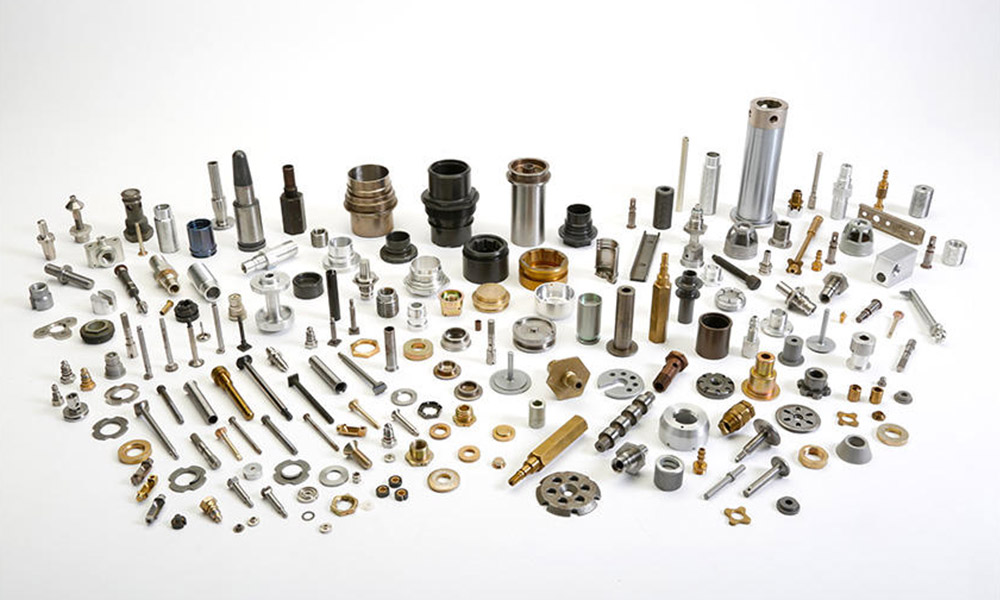
At its core, CNC machining is a subtractive manufacturing process in which pre-programmed computer software dictates the movement of tools and machinery. This automation allows manufacturers to produce highly complex and accurate parts with minimal human intervention. Unlike conventional machining, where operators manually control cutting tools, CNC systems follow digital instructions, ensuring consistency across large production runs.
One of the most significant advantages of CNC machining is its precision. Modern CNC machines can achieve tolerances within microns, making them ideal for industries where accuracy is critical, such as medical device manufacturing and aerospace engineering. This level of precision reduces material waste and minimizes the need for post-processing, ultimately lowering production costs.
Another key benefit is efficiency. CNC machines can operate continuously, 24/7, with minimal downtime. Once a design is programmed, the machine can replicate the same part repeatedly without variation. This not only speeds up production but also ensures uniform quality. Additionally, advanced CNC systems can perform multiple operations—such as milling, drilling, and turning—within a single setup, further streamlining the manufacturing process.
Flexibility is also a defining feature of CNC machining. With the use of Computer-Aided Design (CAD) and Computer-Aided Manufacturing (CAM) software, engineers can quickly modify designs and update production instructions. This adaptability is particularly valuable in industries that require rapid prototyping or frequent design changes. A digital file can be adjusted and sent directly to the machine, reducing lead times and enabling faster innovation.
Despite its many advantages, CNC machining does come with challenges. The initial investment in CNC equipment and software can be substantial, especially for small businesses. Skilled operators and programmers are also required to manage and maintain these systems effectively. However, as technology advances and training becomes more accessible, these barriers are gradually diminishing.
Looking ahead, the future of CNC machining is closely tied to emerging technologies such as automation, artificial intelligence, and the Internet of Things (IoT). Smart factories are integrating CNC machines with real-time monitoring systems, allowing for predictive maintenance and improved operational efficiency. These innovations are pushing manufacturing toward greater levels of intelligence and autonomy.
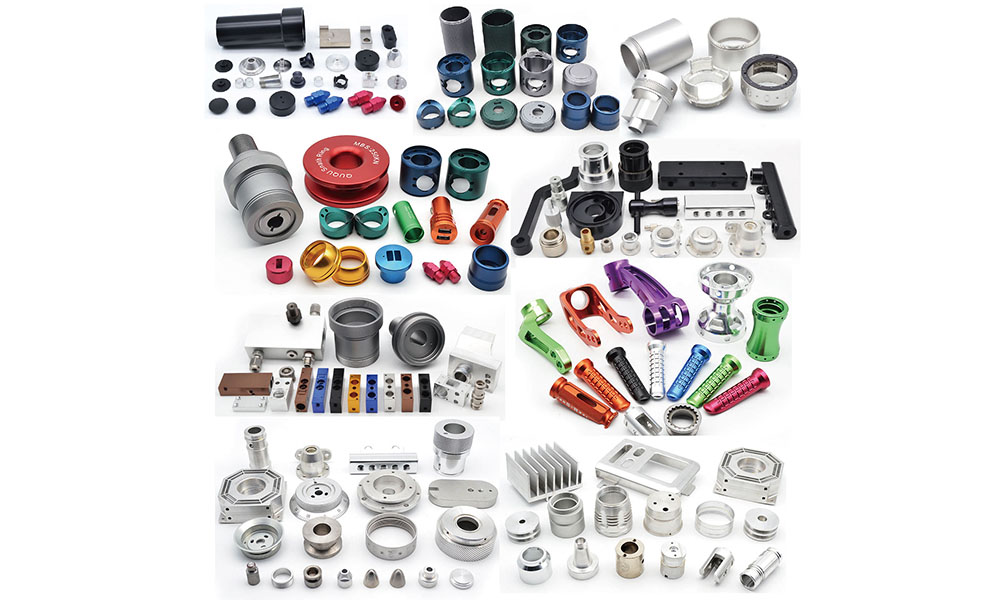
In conclusion, CNC machining has transformed the manufacturing landscape by offering unmatched precision, efficiency, and flexibility. As industries continue to demand higher quality and faster production, CNC technology will remain a vital tool in meeting these challenges. Its ongoing evolution ensures that it will play an even more significant role in shaping the future of global manufacturing.
