

Aluminum Product Stamping Process: A Complete Guide for Global Buyers
Aluminum stamping is a widely used manufacturing process in the global metalworking industry. Known for its efficiency, precision, and cost-effectiveness, this technique plays a crucial role in producing high-quality aluminum components for various sectors, including automotive, electronics, construction, and consumer goods.
What is Aluminum Stamping?
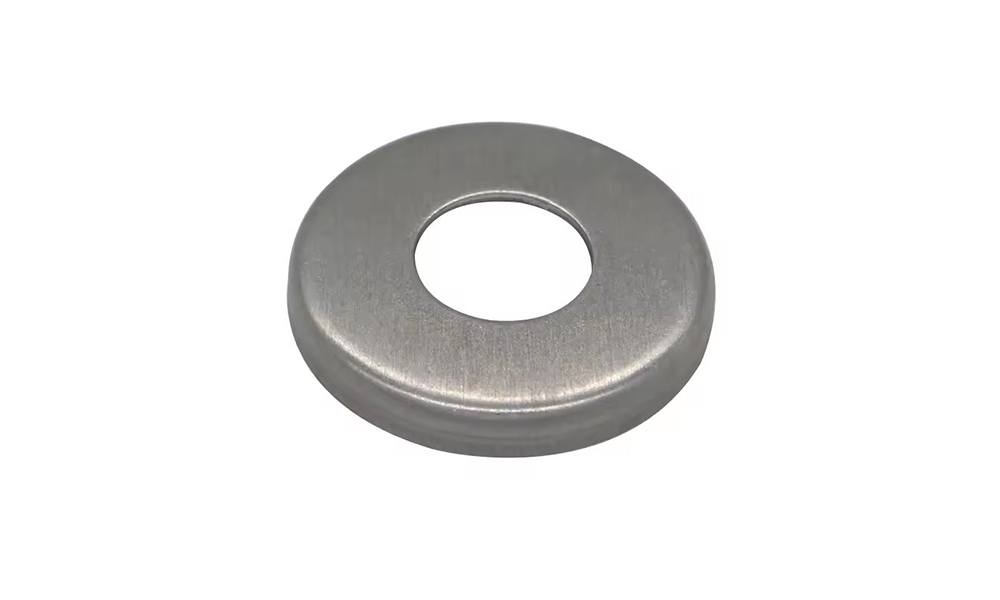
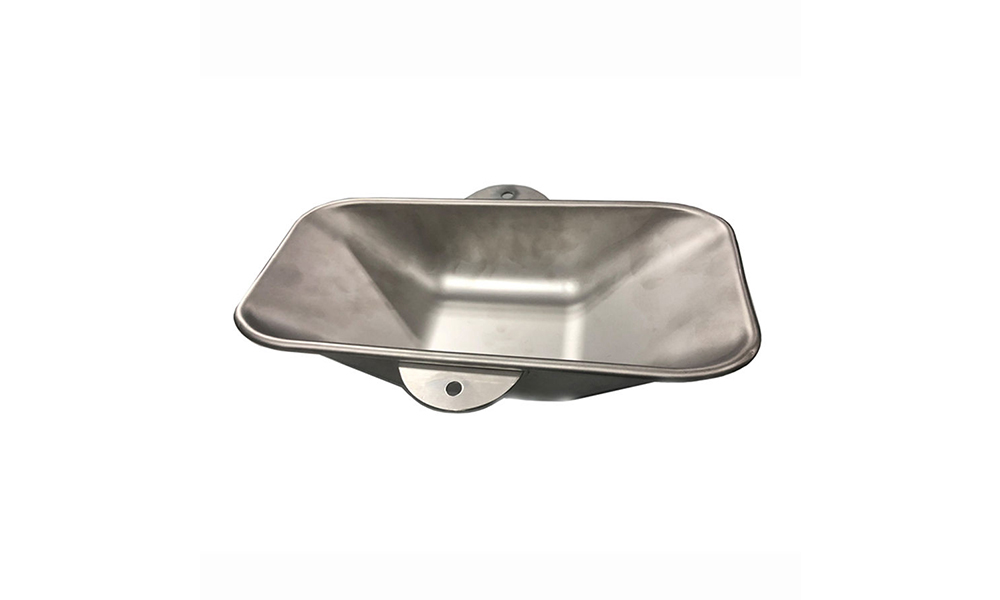
Aluminum stamping refers to the process of shaping aluminum sheets into specific forms using dies and stamping presses. The process involves applying force to the aluminum sheet, transforming it into desired shapes through cutting, bending, embossing, or coining operations. Due to aluminum’s lightweight, corrosion resistance, and excellent formability, it is an ideal material for stamping.
Key Steps in the Aluminum Stamping Process:
Material Selection: Choosing the right aluminum alloy is critical. Common alloys such as 3003, 5052, and 6061 offer different properties in terms of strength, ductility, and corrosion resistance.
Tooling Design: Precision dies and molds are designed based on product specifications. High-quality tooling ensures consistent results and reduces production defects.
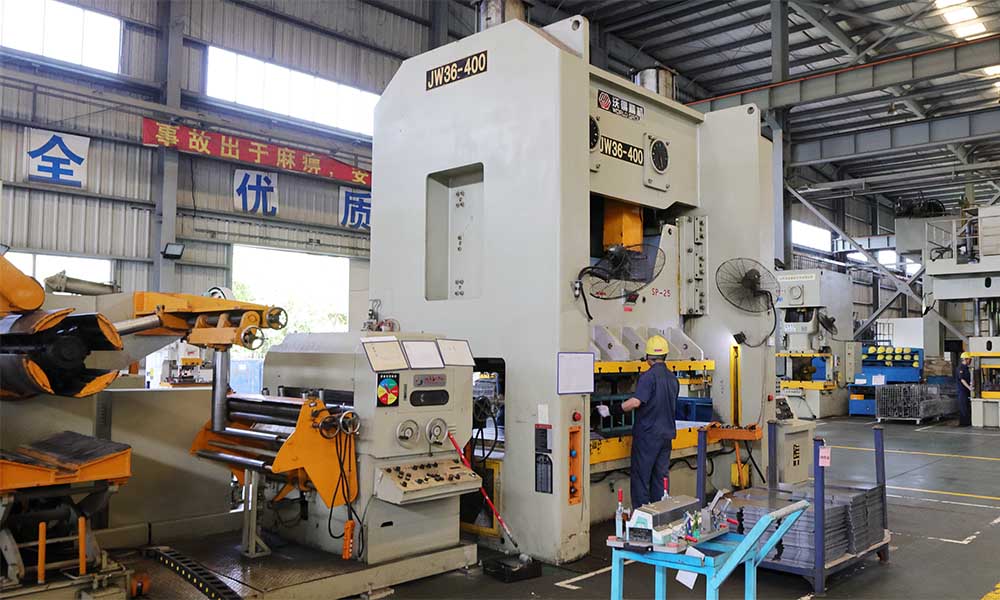
Stamping Operation: Using mechanical or hydraulic presses, the aluminum sheet is processed into the required shape. This stage may involve multiple steps such as blanking, piercing, forming, and trimming.
Surface Treatment: After stamping, parts may undergo finishing processes such as anodizing, polishing, or coating to enhance durability and appearance.
Quality Inspection: Strict quality control ensures that the final products meet international standards and customer requirements.
Advantages of Aluminum Stamping
Aluminum stamping offers several benefits for international buyers:
Cost Efficiency: High-speed production reduces labor costs and material waste.
Lightweight Properties: Ideal for industries where weight reduction is critical, such as automotive and aerospace.
Corrosion Resistance: Aluminum naturally forms a protective oxide layer, increasing product lifespan.
Recyclability: Aluminum is environmentally friendly and can be recycled without losing its properties.
Design Flexibility: Complex shapes and tight tolerances can be achieved with advanced stamping techniques.
Applications in Global Trade
Aluminum stamped products are widely exported and used in various industries. In the automotive sector, they are used for body panels, brackets, and heat shields. In electronics, they serve as enclosures, connectors, and heat sinks. Construction applications include roofing components, decorative panels, and structural parts.
Choosing the Right Supplier
For international buyers, selecting a reliable aluminum stamping manufacturer is essential. Key factors to consider include production capacity, quality certifications (such as ISO standards), tooling capabilities, and experience in export markets. Communication, customization options, and after-sales support also play important roles in building long-term partnerships.
Conclusion
The aluminum stamping process is a cornerstone of modern manufacturing, offering efficiency, versatility, and sustainability. As global demand for lightweight and durable materials continues to grow, aluminum stamping remains a preferred solution for businesses worldwide. By understanding the process and selecting the right supplier, buyers can ensure high-quality products and competitive advantages in their respective markets.
