

Metal Surface Finishing Guide: Powder Coating, Anodizing, Plating and More
Metal components are often subjected to harsh environments, mechanical wear, and demanding aesthetic requirements. While the choice of material plays a critical role in product performance, the right surface finishing process can significantly enhance durability, corrosion resistance, appearance, and functionality.
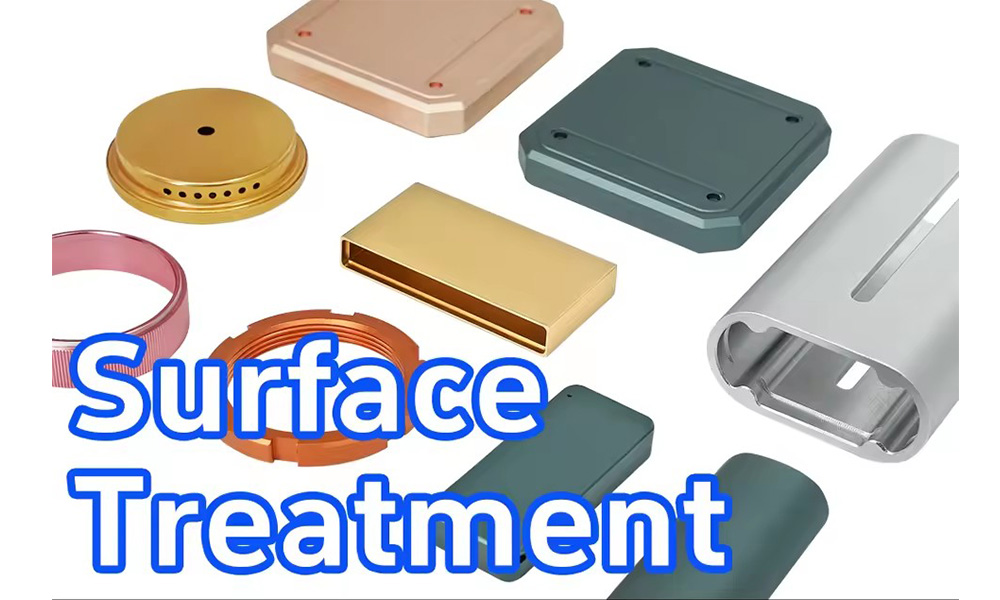
From industrial machinery and automotive parts to consumer electronics and architectural structures, surface finishing is an essential step in modern manufacturing. Among the many available options, powder coating, anodizing, and plating are some of the most widely used methods.
This guide explores the most common metal surface finishing techniques and helps you understand which process is best suited for your application.
Why Surface Finishing Matters
Surface finishing is more than just improving appearance. A properly finished metal part can offer numerous benefits, including:
Enhanced corrosion resistance
Improved wear and scratch resistance
Better electrical conductivity or insulation
Increased product lifespan
Improved aesthetic appeal
Compliance with industry standards
Easier cleaning and maintenance
Selecting the right finish can help manufacturers improve product quality while reducing long-term maintenance costs.
Powder Coating
Powder coating is one of the most popular finishing methods for steel, aluminum, and other metal products.
The process involves applying dry powder particles electrostatically to the metal surface. The coated part is then cured in an oven, where the powder melts and forms a durable protective layer.
Advantages of Powder Coating
Excellent corrosion resistance
Highly durable and impact-resistant
Available in a wide range of colors and textures
Environmentally friendly with minimal VOC emissions
Uniform and attractive finish
Common Applications
Outdoor furniture
Automotive components
Industrial equipment
Architectural metalwork
Electrical enclosures
Powder coating is an ideal choice when both durability and appearance are important.
Anodizing
Anodizing is an electrochemical process primarily used for aluminum components. Rather than adding a coating to the surface, anodizing converts the outer layer of aluminum into a durable oxide layer.
This oxide layer becomes an integral part of the material, providing enhanced protection and aesthetic flexibility.
Advantages of Anodizing
Excellent corrosion resistance
Increased surface hardness
Lightweight finish that does not add material thickness
Attractive metallic appearance
Available in various colors
Common Applications
Consumer electronics
Aerospace components
Architectural panels
Medical devices
Aluminum housings and enclosures
Because anodizing preserves the metallic look of aluminum, it is widely used in products where appearance and durability are equally important.
Electroplating
Electroplating involves depositing a thin layer of metal onto the surface of another metal using an electrical current.
Common plating materials include nickel, chrome, zinc, copper, silver, and gold.
Advantages of Electroplating
Improved corrosion resistance
Enhanced appearance
Better electrical conductivity
Increased wear resistance
Reduced friction
Common Applications
Automotive trim
Electronic connectors
Fasteners
Industrial components
Decorative hardware
Different plating materials offer different performance characteristics, making electroplating a highly versatile finishing option.
Galvanizing
Galvanizing is a process that applies a protective zinc coating to steel components to prevent rust and corrosion.
Hot-dip galvanizing is the most common method, where steel parts are immersed in molten zinc.
Advantages of Galvanizing
Outstanding corrosion protection
Long service life
Cost-effective for large structures
Minimal maintenance requirements
Common Applications
Structural steel
Utility poles
Fencing systems
Construction materials
Outdoor infrastructure
Galvanizing is particularly effective for products exposed to outdoor environments.
Brushing and Polishing
Mechanical finishing processes such as brushing and polishing improve the appearance and texture of metal surfaces.
Brushed finishes create a uniform satin texture, while polishing produces a smooth, reflective surface.
Advantages
Enhanced visual appeal
Improved cleanliness
Reduced surface imperfections
Premium product appearance
Common Applications
Stainless steel appliances
Architectural components
Decorative panels
Consumer products
These finishes are frequently used when aesthetics play a significant role in product design.
Sandblasting and Bead Blasting
Blasting processes use abrasive media to clean, texture, or prepare metal surfaces before additional finishing operations.
Advantages
Removes rust and contaminants
Creates a uniform surface texture
Improves coating adhesion
Enhances surface appearance
Common Applications
Sheet metal fabrication
Weld preparation
Automotive restoration
Industrial equipment
Blasting is often used as a preparation step before powder coating, painting, or plating.
Choosing the Right Surface Finish
The ideal surface finishing process depends on several factors:
Consider the Environment
Products exposed to moisture, chemicals, or saltwater require superior corrosion protection. Galvanizing, anodizing, and certain plating options are often suitable choices.
Consider Appearance
For decorative applications, powder coating, anodizing, polishing, and chrome plating provide attractive finishes with various color and texture options.
Consider Performance Requirements
Some applications require improved hardness, conductivity, wear resistance, or insulation. The desired functional properties should guide the finishing selection process.
Consider Cost
Budget considerations also play an important role. While some finishes offer premium performance, simpler processes may provide sufficient protection at a lower cost.
Conclusion
Surface finishing is a critical part of modern metal manufacturing. Whether the goal is corrosion resistance, improved durability, enhanced aesthetics, or specialized functionality, selecting the right finishing process can significantly impact product performance and longevity.
Powder coating, anodizing, electroplating, galvanizing, polishing, and blasting each offer unique advantages for different applications. By understanding the strengths and limitations of each method, manufacturers can make informed decisions that improve product quality, reduce maintenance costs, and increase customer satisfaction.
Ultimately, the best surface finish is the one that balances performance, appearance, environmental requirements, and cost to meet the specific needs of your project.
