

CNC Milling: Precision, Flexibility, and Efficiency in Modern Manufacturing
In today’s highly competitive manufacturing environment, CNC milling has become one of the most widely used and reliable machining processes. From prototype development to high-volume production, CNC milling supports industries that demand precision, repeatability, and complex geometries. This blog provides a comprehensive overview of CNC milling, including its definition, working process, classifications, service capabilities, advantages, and industrial applications.
What Is CNC Milling?
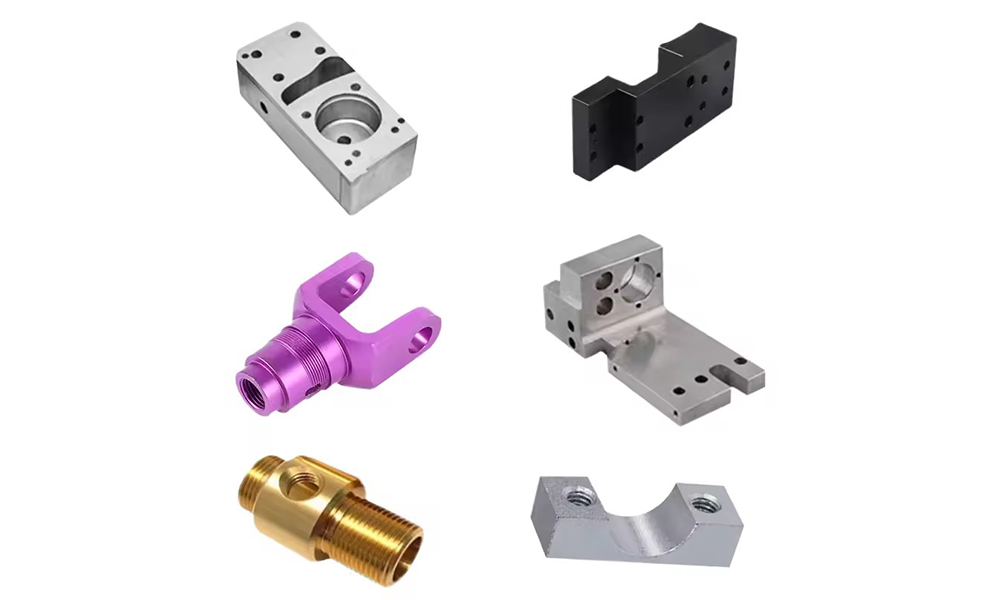
CNC milling is a subtractive manufacturing process in which material is removed from a solid workpiece using rotating cutting tools controlled by a Computer Numerical Control (CNC) system. By following digital CAD and CAM instructions, CNC milling machines can produce parts with high accuracy and consistent quality. Unlike manual milling, CNC milling eliminates variability caused by human operation and enables the production of intricate shapes and fine details.
How the CNC Milling Process Works
The CNC milling process begins with a digital design created in CAD software. This design is converted into machine-readable code using CAM software, which defines cutting paths, spindle speed, feed rate, and tool selection. The workpiece is securely clamped onto the milling table, and the machine executes the programmed operations.
The process typically includes:
Rough milling to remove large amounts of material
Semi-finishing to refine the shape
Finish milling to achieve final dimensions and surface quality
Inspection and post-processing, such as deburring or surface treatment
Advanced CNC mills can operate continuously with minimal operator intervention.
Types of CNC Milling Machines
CNC milling machines are classified based on axis movement and machine structure:
3-Axis CNC Milling – Movement along X, Y, and Z axes; suitable for most standard machining tasks.
4-Axis CNC Milling – Adds a rotational axis, allowing machining on multiple sides without repositioning.
5-Axis CNC Milling – Enables simultaneous movement on five axes, ideal for complex, high-precision parts.
Vertical CNC Milling – Common for general-purpose machining and flat surfaces.
Horizontal CNC Milling – Better for heavy cutting, chip evacuation, and high-volume production.
Each type offers specific benefits depending on part complexity and production requirements.
CNC Milling Services
Professional CNC milling service providers typically offer:
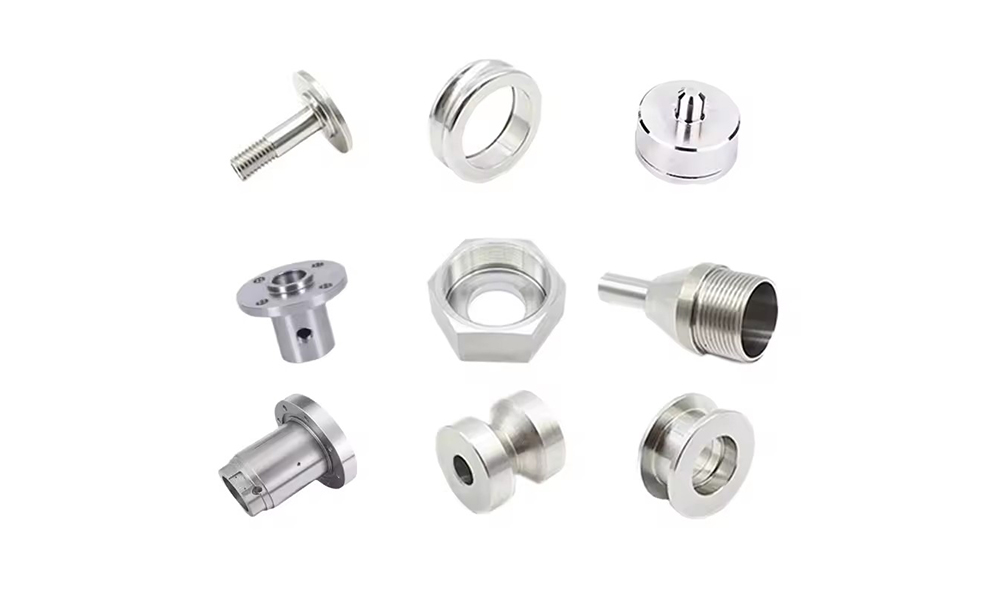
Custom CNC milling for metal and plastic parts
Prototype machining and product development
Low- to high-volume production
Multi-axis machining for complex geometries
Tight tolerance control and precision finishing
Secondary services such as drilling, tapping, grinding, and surface treatment
Quality inspection and documentation
These services help customers move efficiently from design to finished product.
Advantages of CNC Milling
CNC milling offers numerous advantages over traditional machining methods:
High precision and repeatability
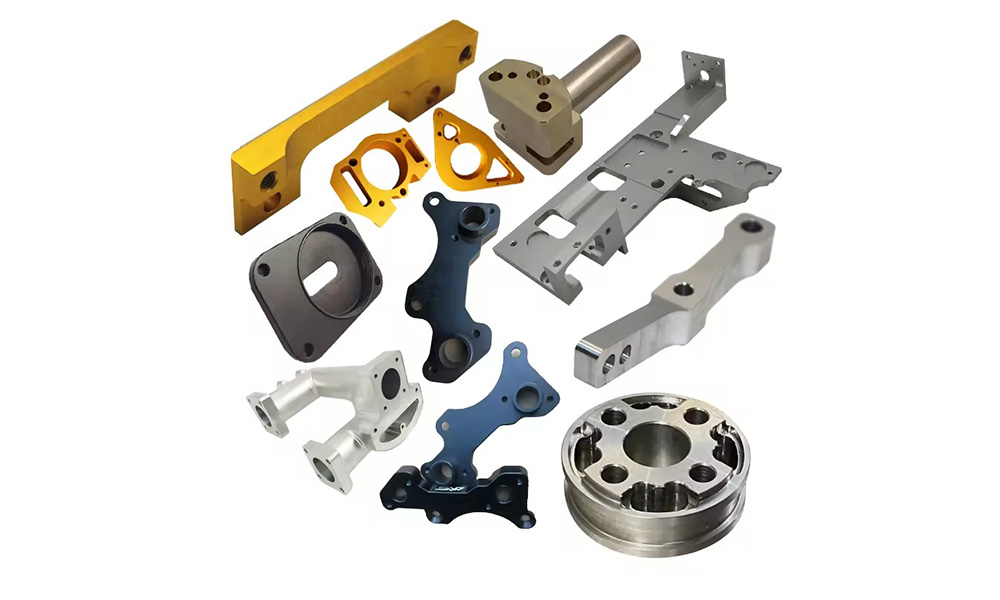
Ability to machine complex and detailed geometries
Excellent surface finish and dimensional accuracy
Reduced human error through automation
Wide material compatibility, including aluminum, stainless steel, titanium, brass, plastics, and composites
Efficient production for both prototypes and mass manufacturing
These benefits make CNC milling a cost-effective and reliable solution for modern manufacturing.
Applications of CNC Milling
CNC milling is widely used across many industries:
Automotive – engine components, brackets, transmission parts
Aerospace – structural components, turbine parts, housings
Medical devices – implants, surgical tools, precision components
Industrial machinery – gears, frames, custom machine parts
Electronics – enclosures, heat sinks, connectors
Mold and die making – tooling for injection molding and casting
Its versatility allows manufacturers to meet demanding performance and quality standards.
Conclusion
As technology advances and product designs grow more complex, CNC milling continues to play a vital role in precision manufacturing. With its ability to produce accurate, repeatable, and high-quality components, CNC milling remains an essential process for industries seeking efficiency, flexibility, and superior performance.
