

Why Precision Matters in CNC Machining
In today’s highly competitive manufacturing industry, precision is more than just a technical requirement—it is a critical factor that directly impacts product quality, performance, cost efficiency, and customer satisfaction. CNC (Computer Numerical Control) machining has become the preferred manufacturing method for producing complex and high-accuracy components across industries such as aerospace, automotive, medical devices, electronics, and industrial equipment.
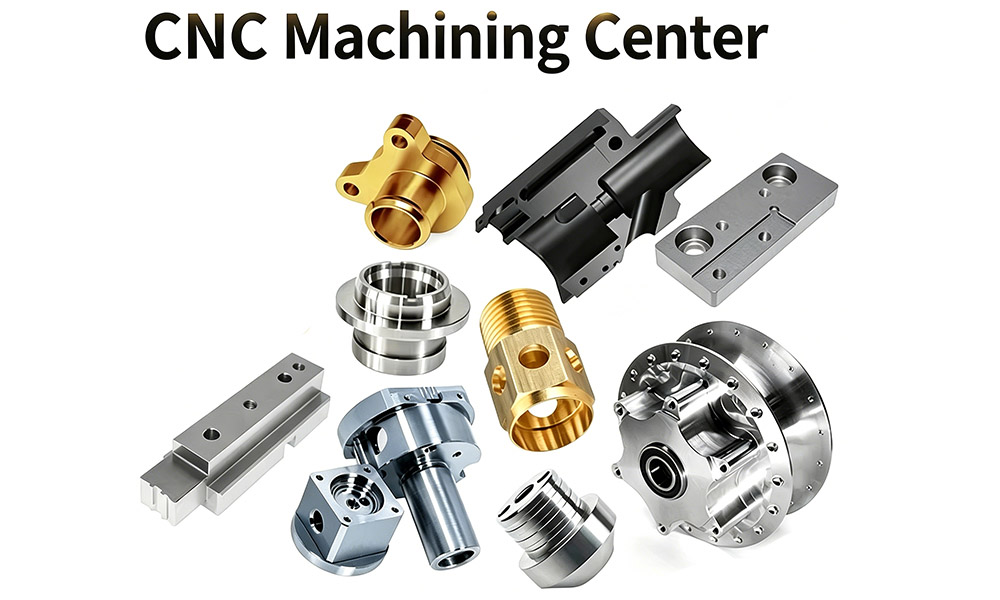
But why does precision matter so much in CNC machining? The answer lies in the role accuracy plays throughout the entire product lifecycle, from design and production to assembly and end-use performance.
Ensuring Consistent Product Quality
One of the greatest advantages of CNC machining is its ability to produce parts with exceptional consistency. Unlike manual machining processes, CNC machines operate based on programmed instructions, allowing the same part to be manufactured repeatedly with minimal variation.
Precision machining ensures that every component meets the required specifications and tolerances. This consistency is especially important in industries where even minor dimensional deviations can lead to product failures or performance issues.
By maintaining strict tolerances, manufacturers can deliver reliable products that meet customer expectations and industry standards.
Improving Assembly Efficiency
Many manufactured products consist of multiple components that must fit together perfectly during assembly. If one part is even slightly out of specification, it can create alignment problems, increase assembly time, or require costly rework.
Precision CNC machining ensures that parts are produced accurately, enabling seamless integration during assembly. This reduces production delays, minimizes labor costs, and improves overall manufacturing efficiency.
For large-scale production environments, precise components help streamline operations and support lean manufacturing practices.
Enhancing Product Performance
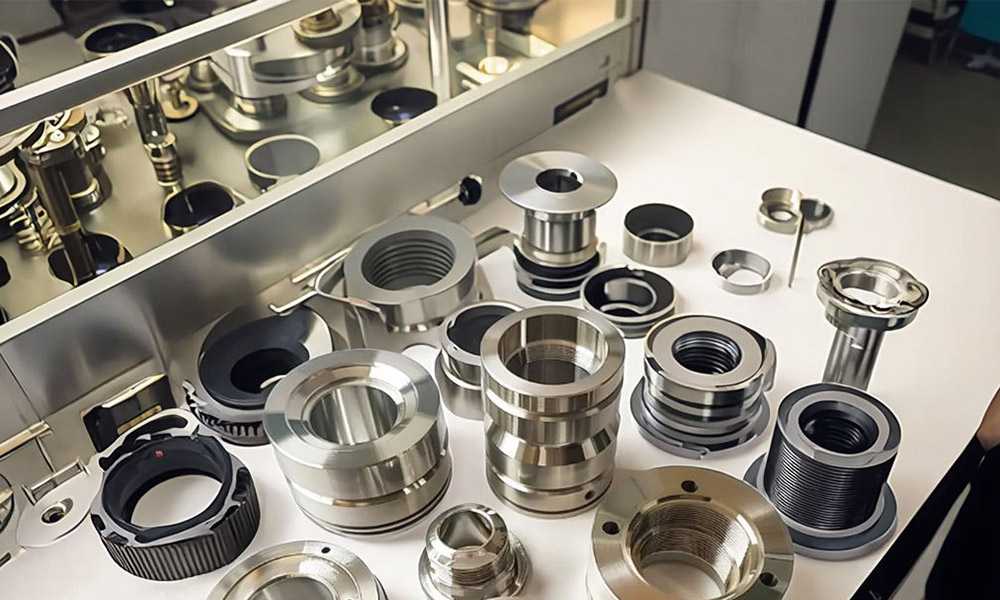
In many applications, product performance depends directly on dimensional accuracy. Aerospace components, automotive engine parts, medical implants, and electronic housings all require precise geometries to function correctly.
For example, an improperly machined aerospace component could affect structural integrity, while a poorly fitted medical device could compromise patient safety. Precision machining helps ensure that every part performs exactly as intended under real-world operating conditions.
Higher accuracy also contributes to improved durability, reliability, and overall product lifespan.
Reducing Material Waste and Production Costs
Manufacturing errors can be expensive. Parts that fail to meet specifications often need to be reworked or scrapped entirely, resulting in wasted materials, increased labor costs, and production delays.
Precision CNC machining minimizes these risks by producing parts correctly the first time. Advanced CNC systems use sophisticated software and automation technologies to achieve highly accurate results while optimizing material utilization.
Reducing waste not only lowers manufacturing costs but also supports sustainability initiatives by minimizing resource consumption.
Supporting Tight Tolerances and Complex Designs
Modern products are becoming increasingly sophisticated, often requiring intricate geometries and extremely tight tolerances. Traditional manufacturing methods may struggle to achieve the accuracy needed for these complex designs.
CNC machining enables manufacturers to produce detailed features, precise holes, intricate contours, and complex surfaces with remarkable accuracy. Multi-axis CNC machines further expand design possibilities by allowing complex parts to be machined in fewer setups.
This capability is essential for industries that demand both innovation and precision.
Meeting Industry Standards and Compliance Requirements
Many industries operate under strict regulatory and quality standards. Aerospace, medical, defense, and automotive manufacturers must demonstrate that their components meet precise specifications and compliance requirements.
Precision CNC machining helps companies achieve these standards by providing repeatable accuracy and reliable quality control. Combined with advanced inspection equipment and quality management systems, precision machining supports certification processes and customer audits.
Compliance not only protects product quality but also strengthens a company's reputation in the marketplace.
Building Customer Trust and Competitive Advantage
Customers expect high-quality components that meet their requirements without compromise. Consistently delivering precise machined parts helps manufacturers build long-term customer relationships and establish a reputation for reliability.
In a competitive market, precision can be a significant differentiator. Companies that invest in advanced CNC technology, skilled machinists, and rigorous quality control are better positioned to win projects, retain customers, and expand their market presence.
Precision is not simply a manufacturing capability—it is a strategic business advantage.
Conclusion
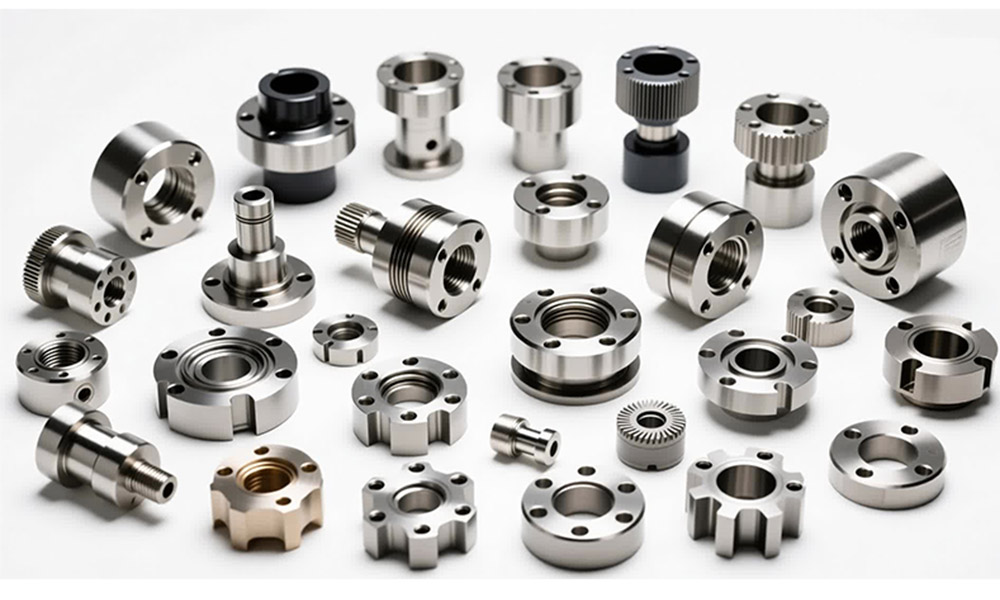
Precision is at the heart of successful CNC machining. It influences product quality, assembly efficiency, operational performance, material utilization, regulatory compliance, and customer satisfaction. As manufacturing demands continue to evolve, the importance of precision will only increase.
By investing in advanced CNC equipment, experienced engineering teams, and robust quality assurance processes, manufacturers can achieve the accuracy required to produce superior components and remain competitive in today's global marketplace. In CNC machining, precision is not just about meeting specifications—it is about delivering excellence at every stage of production.
