

Die Casting vs CNC Machining for Aluminum Parts
Aluminum parts are widely used in industries such as automotive, aerospace, electronics, industrial equipment, and consumer products due to their lightweight properties, corrosion resistance, and excellent machinability. When manufacturing aluminum components, two of the most common production methods are die casting and CNC machining. Each process offers unique advantages and is suitable for different production requirements. Understanding the differences between these two methods helps manufacturers choose the most cost-effective and efficient solution for their projects.
What Is Die Casting?
Die casting is a manufacturing process in which molten aluminum is injected into a hardened steel mold under high pressure. Once the material cools and solidifies, the finished part is removed from the mold. This process is highly efficient for producing large quantities of parts with consistent dimensions and complex shapes.
Die casting is commonly used for components requiring thin walls, detailed features, and high production speed. Because the mold can be reused repeatedly, die casting is ideal for mass production.
What Is CNC Machining?
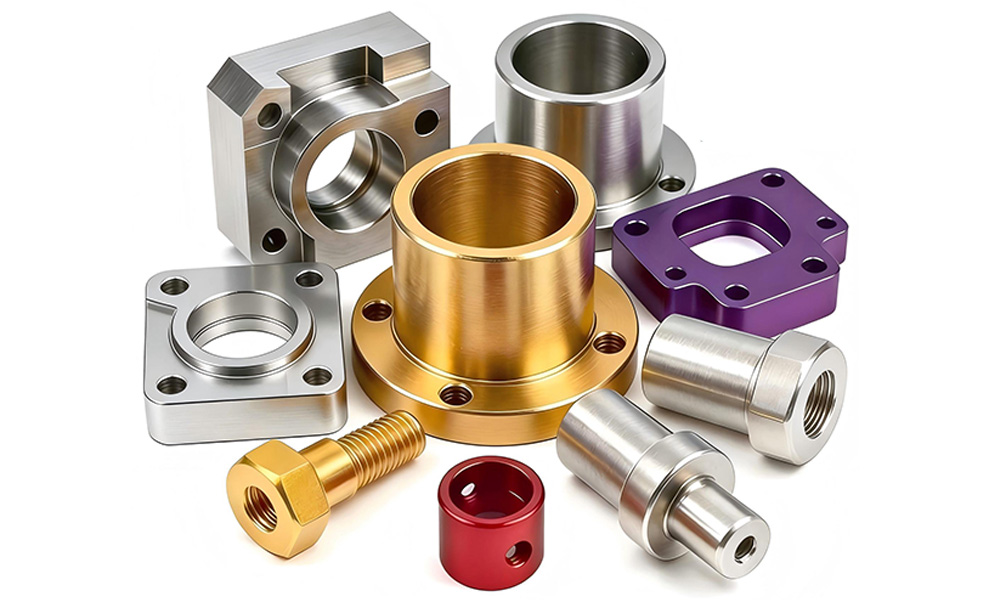
CNC machining is a subtractive manufacturing process that removes material from a solid aluminum block using computer-controlled cutting tools. Processes such as milling, turning, drilling, and tapping are used to create precise shapes and features according to digital designs.
CNC machining is highly flexible and suitable for producing custom parts, prototypes, and low-to-medium production volumes. It is widely used when tight tolerances, high precision, and superior surface finishes are required.
Production Volume and Cost Comparison
One of the biggest differences between die casting and CNC machining is production volume. Die casting requires expensive mold tooling, which creates a higher initial investment. However, once the mold is completed, the cost per part becomes very low in high-volume production.
In contrast, CNC machining does not require dedicated molds, making it more economical for prototypes, customized components, and smaller production runs. Although machining costs per part may be higher, the flexibility and lower startup cost make CNC machining a preferred option for many projects.
Precision and Surface Quality
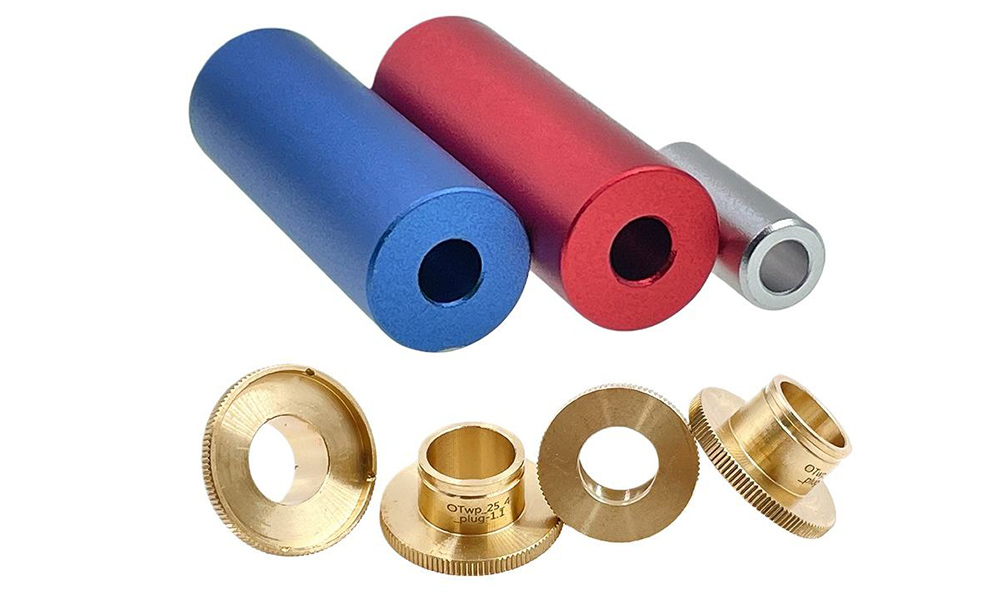
CNC machining generally provides higher precision and tighter tolerances compared to die casting. Because the process is digitally controlled, CNC-machined aluminum parts can achieve excellent dimensional accuracy and smooth surface finishes.
Die casting can also produce accurate parts, but minor porosity, shrinkage, or surface imperfections may occur due to the casting process. Secondary machining operations are sometimes required to achieve critical tolerances.
Design Complexity and Flexibility
Die casting is highly effective for producing complex aluminum parts with intricate geometries and thin walls. The molding process allows manufacturers to create shapes that would be difficult or time-consuming to machine.
However, design changes in die casting can be costly because they often require mold modifications. CNC machining offers much greater design flexibility, allowing engineers to quickly adjust dimensions or features through programming changes without new tooling.
Material Properties and Strength
CNC-machined aluminum parts are typically made from solid aluminum billets, which maintain consistent material strength and structural integrity. This makes CNC machining suitable for high-performance applications requiring durability and precision.
Die-cast aluminum parts may contain internal porosity due to trapped air during casting. While modern die casting technology has significantly improved quality, CNC-machined parts are often preferred for critical structural applications.
Applications in Different Industries
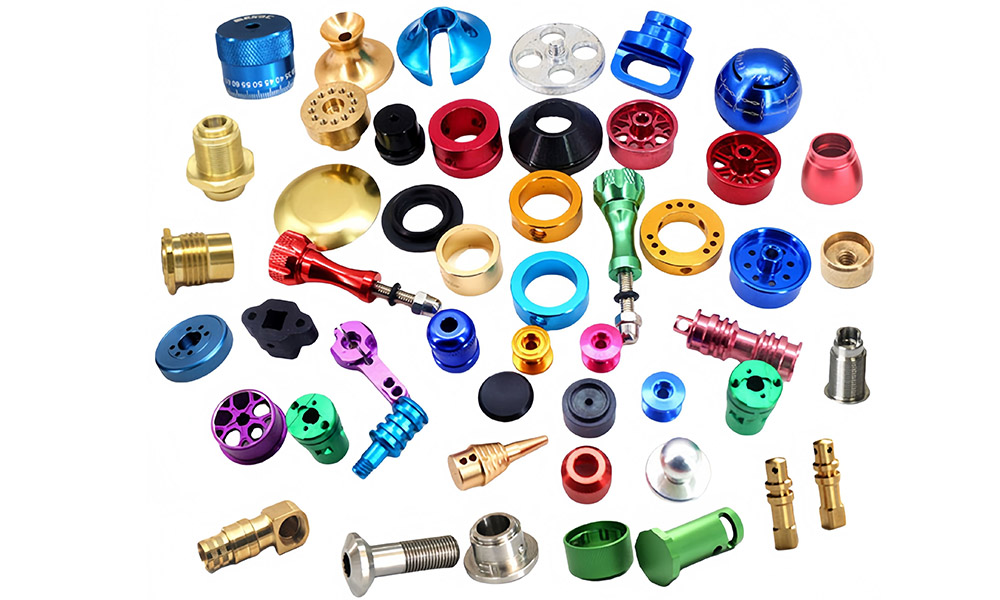
Die casting is widely used in automotive housings, electronic enclosures, lighting components, and consumer products where high production efficiency is important. CNC machining is commonly used for aerospace components, precision machinery parts, prototypes, medical devices, and customized industrial equipment.
Conclusion
Both die casting and CNC machining are valuable manufacturing methods for aluminum parts, but the best choice depends on production volume, budget, precision requirements, and application needs. Die casting offers excellent efficiency for large-scale production, while CNC machining provides superior flexibility, precision, and customization.
By understanding the strengths of each process, manufacturers can select the most suitable solution to achieve optimal quality, cost efficiency, and production performance.
