

The Practical Importance of CNC Machining in Modern Industry
In today’s highly competitive and technology-driven world, precision, efficiency, and consistency are critical to manufacturing success. Computer Numerical Control (CNC) machining has become a cornerstone of modern production, transforming how industries design, prototype, and manufacture components. From aerospace to consumer electronics, CNC machining plays a vital role in ensuring high-quality output and operational reliability.
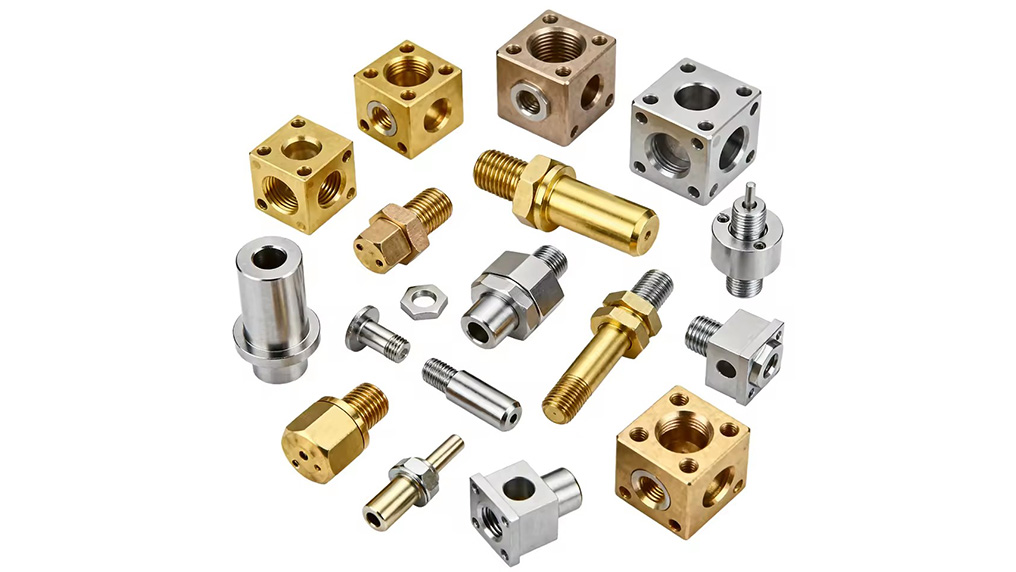
One of the most significant advantages of CNC machining is its precision. Unlike manual machining, CNC systems rely on computer programming to control tools and movements with extreme accuracy. This allows manufacturers to produce complex geometries and tight tolerances that would be nearly impossible to achieve by hand. In industries such as medical device manufacturing or aerospace engineering, even the smallest deviation can lead to serious consequences. CNC machining ensures that each part meets strict specifications, reducing errors and enhancing safety.
Another important aspect is efficiency. CNC machines can operate continuously with minimal human intervention, significantly increasing production speed. Once a program is set, the machine can replicate the same process repeatedly without variation. This not only reduces labor costs but also shortens production cycles. For businesses, this means faster time-to-market and the ability to meet large-scale demand without compromising quality.
Consistency is equally crucial in mass production. CNC machining guarantees that every unit produced is identical to the original design. This level of repeatability is essential in industries where interchangeable parts are required. Whether producing automotive components or electronic housings, manufacturers rely on CNC technology to maintain uniformity across thousands or even millions of parts.
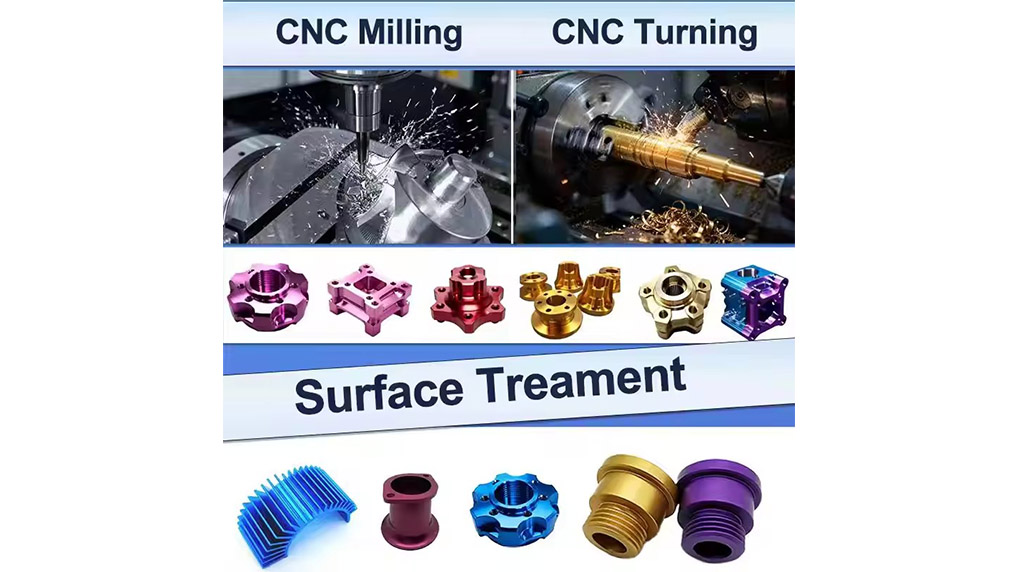
Flexibility is another key benefit. Modern CNC machines can be reprogrammed quickly to produce different parts, making them ideal for both prototyping and customized production. This adaptability allows companies to respond rapidly to changing market demands and customer requirements. Instead of investing in entirely new equipment, manufacturers can simply update the machine’s software, saving both time and resources.
Moreover, CNC machining contributes to material efficiency and waste reduction. Advanced software optimizes cutting paths and minimizes excess material usage. This not only lowers production costs but also supports sustainable manufacturing practices. As environmental concerns continue to grow, the ability to reduce waste and improve resource utilization becomes increasingly important.
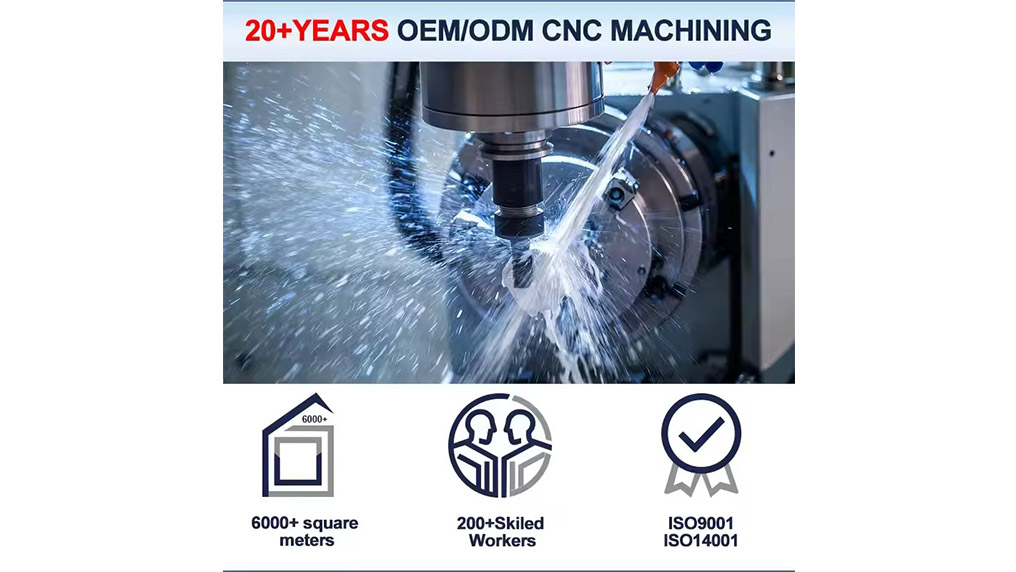
In conclusion, CNC machining is an indispensable part of modern manufacturing. Its precision, efficiency, consistency, flexibility, and sustainability make it a powerful tool for industries worldwide. As technology continues to advance, CNC machining will remain at the forefront of innovation, enabling businesses to produce high-quality products while staying competitive in a rapidly evolving market.
