

What Are the Terms of the Stamping Process? A Complete Guide
Stamping is a widely used manufacturing process in industries such as automotive, electronics, and aerospace. It involves shaping or cutting sheet metal into desired forms using specialized tools and dies. For beginners or even professionals entering the field, understanding the terminology of the stamping process is essential for effective communication and efficient production. This article explores the key terms commonly used in stamping and explains their significance.
1. Stamping
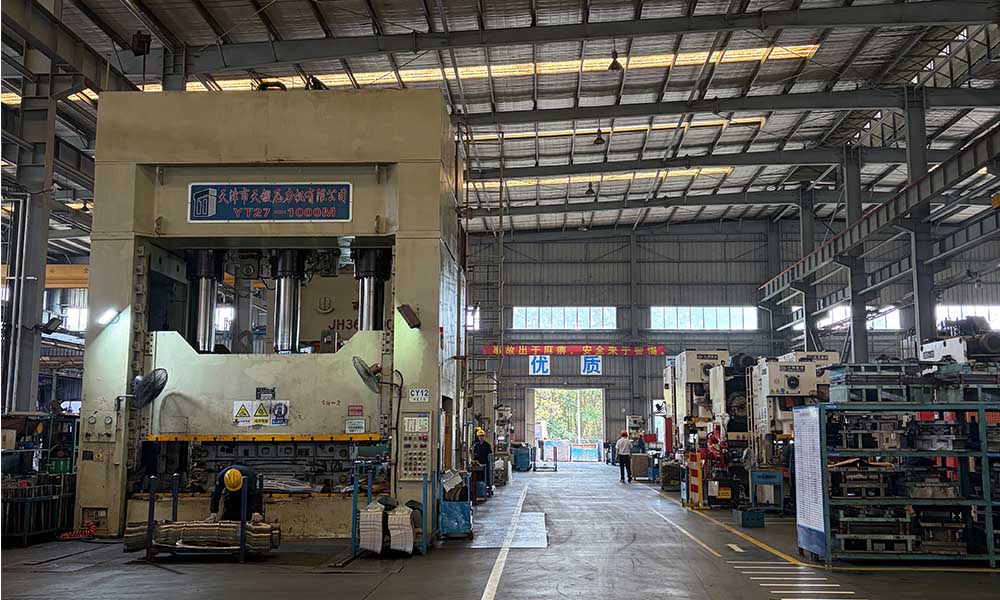
Stamping refers to a cold-forming manufacturing process in which flat sheet metal is placed into a press and formed into a specific shape. The process can include cutting, bending, embossing, and drawing.
2. Die
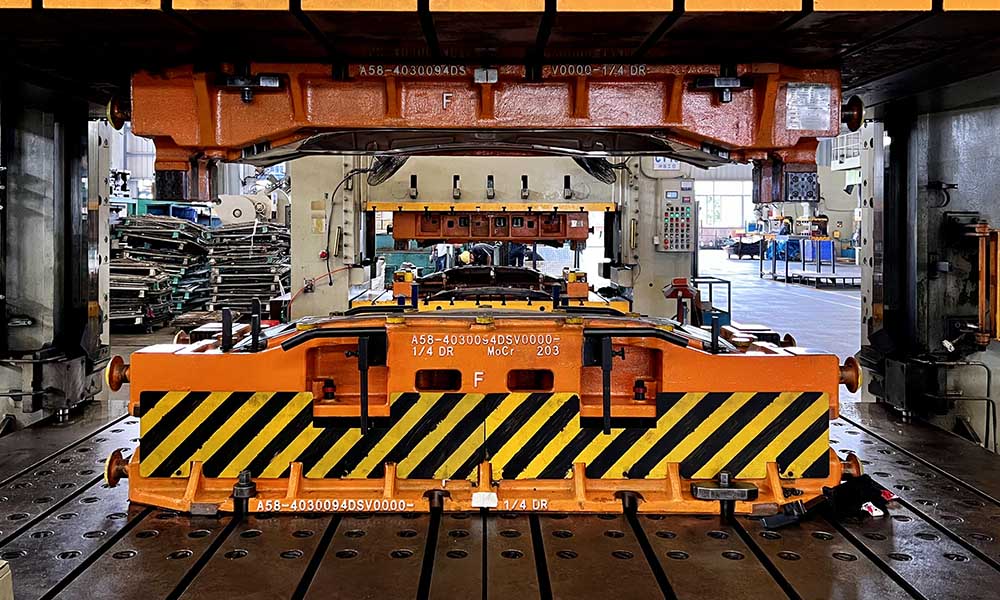
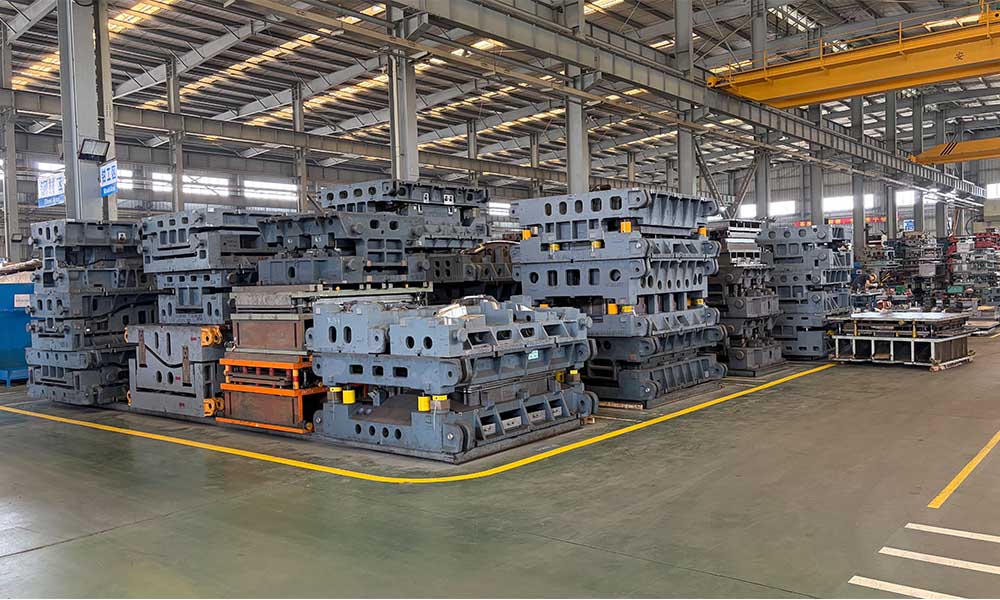
A die is a specialized tool used to cut or shape material. It typically consists of two parts: the upper die (attached to the press slide) and the lower die (attached to the press bed). Dies are crucial for ensuring precision and consistency.
3. Punch
The punch is the component that applies force to the sheet metal, pushing it into or through the die. It determines the shape of holes or features created during the process.
4. Press
A press is the machine that provides the force required for stamping. There are two main types:
Mechanical press: uses a motor-driven flywheel
Hydraulic press: uses fluid pressure for more controlled force
5. Blanking
Blanking is a cutting operation where a flat piece (blank) is cut out from a larger sheet. The blank is the desired product, while the remaining material is scrap.
6. Piercing
Piercing involves creating holes in the sheet metal. Unlike blanking, the removed material is considered waste, and the remaining sheet is the workpiece.
7. Bending
Bending is the process of deforming metal along a straight axis to create angles or curves. It does not remove material but changes its shape.
8. Drawing
Drawing (or deep drawing) is a process where sheet metal is radially drawn into a die to form a cup-like or hollow shape. It requires careful control to avoid tearing or wrinkling.
9. Embossing
Embossing creates raised or recessed designs on the metal surface without cutting through it. It is often used for decorative or functional purposes.
10. Clearance
Clearance refers to the gap between the punch and die. Proper clearance is critical to achieving clean cuts and prolonging tool life.
11. Tonnage
Tonnage is the amount of force a press can apply. Selecting the correct tonnage ensures that the material can be formed without damaging the equipment.
12. Springback
Springback is the tendency of metal to partially return to its original shape after bending. It must be accounted for in design to achieve accurate dimensions.
13. Feed System
A feed system automatically moves sheet metal into the press. It improves efficiency and consistency in high-volume production.
14. Progressive Die
A progressive die performs multiple operations in a single press cycle. The material moves through different stations, each performing a specific task, increasing productivity.
15. Transfer Die
In a transfer die system, parts are moved from one station to another manually or automatically. It is suitable for larger or more complex parts.
Conclusion
Understanding the terms of the stamping process is fundamental for anyone involved in manufacturing or engineering. These terms not only describe the tools and techniques used but also help ensure clear communication and efficient workflow. As stamping technology continues to evolve, mastering its terminology remains a valuable skill for improving productivity and product quality.
