

Classifications of Mechanical Manufacturing: A Concise Guide
Mechanical manufacturing, the foundation of modern industry, transforms raw materials into functional products through diverse processes. Understanding its classifications helps navigate this complex field. Below is a streamlined breakdown by production scale, processing technology, and product type.
By Production Scale
Single-Piece Production
Focuses on custom, one-off items like specialized machinery or prototypes. Relies on general-purpose equipment and skilled labor, offering high flexibility but higher costs and longer lead times.
Batch Production
Produces limited quantities of similar products in runs, balancing customization and efficiency. Uses a mix of general and specialized tools, with setup adjustments between batches. Common for automotive parts and electronic components.
Mass Production
Manufactures large volumes of identical products via automated, specialized lines. Optimized for speed and low costs, ideal for automobiles and household appliances. Inflexible to design changes due to high automation.
By Processing Technology
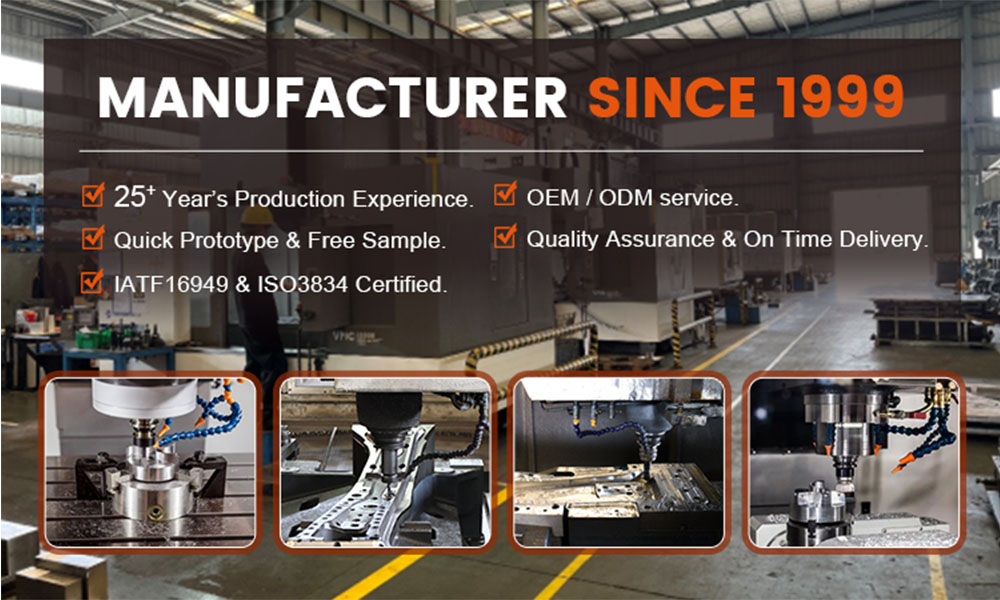
Traditional Machining
Subtractive processes like turning, milling, drilling, and grinding remove material to shape workpieces. Versatile for metals, plastics, and wood, but generates material waste and relies on skilled operators.
Non-Traditional Machining
Uses non-mechanical energy (electricity, lasers, ultrasound) to cut hard or heat-sensitive materials. Includes EDM, laser machining, and waterjet cutting, offering precision for complex shapes but with higher costs.
Additive Manufacturing
Builds objects layer by layer from digital models. Technologies like FDM, SLS, and DMLS enable complex geometries with minimal waste. Suitable for prototypes and customized parts, though limited by speed and material costs.
Forming Processes
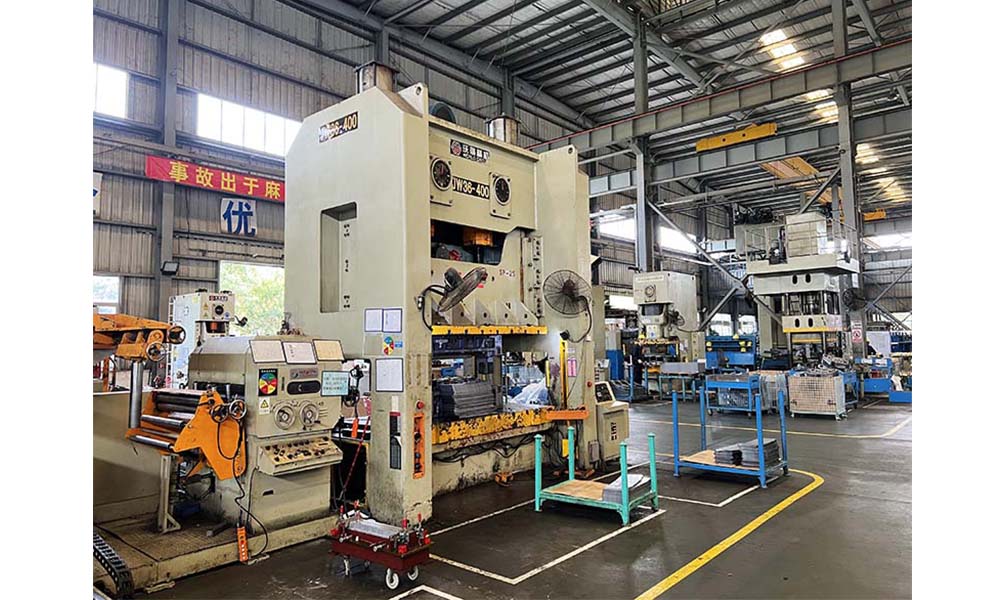
Shapes materials without removal via force or heat. Forging, casting, extrusion, and stamping are efficient for large quantities of metal or plastic parts, often paired with machining for finishing.
By Product Type
Automotive Manufacturing
Combines stamping, welding, painting, and assembly to produce vehicles. Uses robotics and automation for efficiency, with a focus on safety and cost reduction.
Aerospace Manufacturing
Requires high precision and advanced materials (titanium, carbon fiber). Processes include precision machining and additive manufacturing, adhering to strict regulatory standards for reliability.
Electronics Manufacturing
Focuses on miniaturization and automation for devices like smartphones. Key processes include PCB assembly and semiconductor fabrication, driven by rapid technological innovation.
Medical Device Manufacturing
Produces surgical instruments, implants, and diagnostic tools with biocompatible materials. Relies on precision machining and sterilization, complying with strict healthcare regulations.
Conclusion
Mechanical manufacturing's classifications reflect its diversity, from flexible single-piece production to automated mass production, and from traditional machining to cutting-edge additive technologies. As technology advances, these categories will continue to evolve, shaping the future of industrial production.
