

Custom Precision Metal Parts in Global Trade: Enhancing Quality, Accuracy, and Manufacturing Excellence
In today’s increasingly sophisticated manufacturing environment, precision is no longer optional—it is essential. Across industries such as aerospace, medical devices, electronics, automotive, and industrial machinery, the demand for custom precision metal parts continues to grow. These components are critical to ensuring performance, reliability, and long-term durability in complex systems.
For international buyers and sourcing professionals, partnering with the right manufacturer for custom precision metal parts can significantly impact product quality, cost efficiency, and market competitiveness.
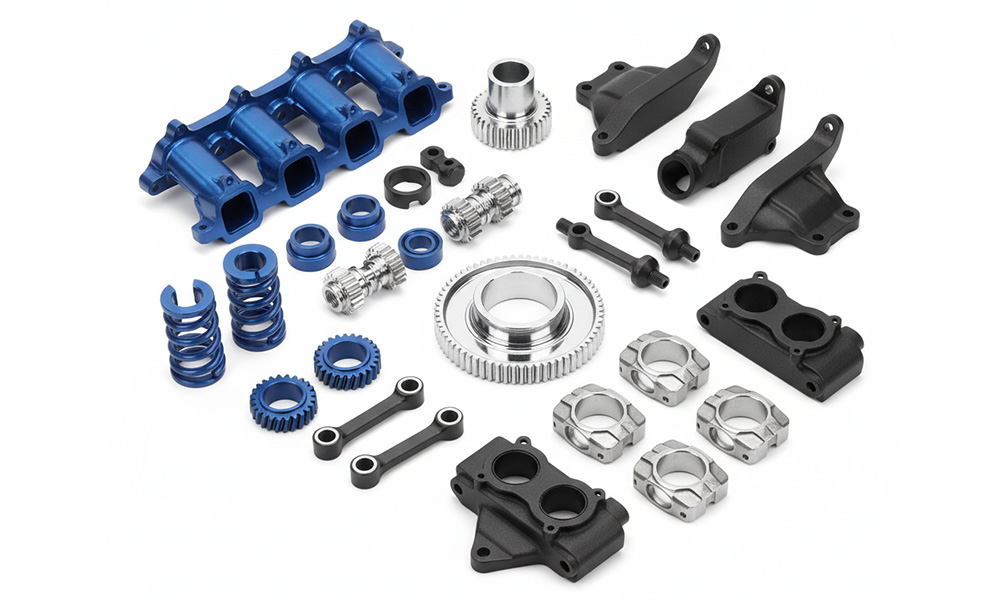
What Are Custom Precision Metal Parts?
Custom precision metal parts are components manufactured to extremely tight tolerances based on specific client requirements. These parts are typically produced using advanced machining processes such as CNC milling, CNC turning, grinding, EDM (electrical discharge machining), and sometimes combined with laser cutting or stamping depending on the design.
Unlike standard parts, precision components are often used in applications where even the smallest deviation can lead to system failure. Therefore, strict quality control and advanced manufacturing technologies are essential throughout the production process.
Common materials include stainless steel, aluminum, brass, copper, titanium, and specialized alloys. Material selection depends on factors such as strength, corrosion resistance, weight, and operating environment.
Key Advantages of Custom Precision Metal Parts
Precision metal parts offer several important benefits for global buyers:
Exceptional Accuracy: Tight tolerances ensure consistent performance and seamless integration into complex assemblies.
High Reliability: Precision manufacturing reduces defects and enhances product lifespan.
Design Flexibility: Customization allows for complex geometries and unique specifications.
Material Versatility: A wide range of metals and alloys can be processed to meet specific application needs.
Improved Efficiency: High-quality parts reduce maintenance needs and operational downtime.
These advantages make precision components indispensable in high-performance industries.
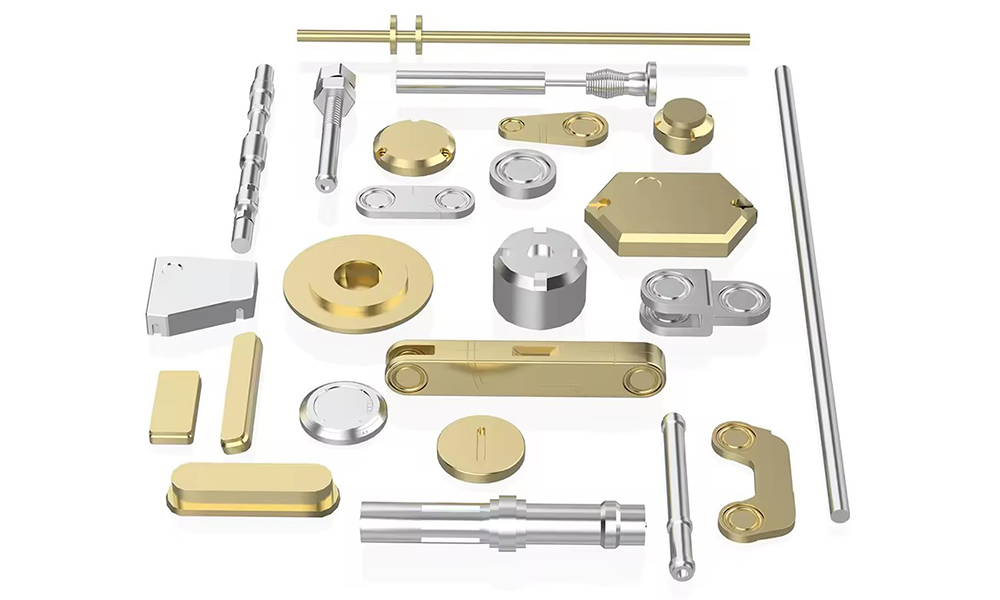
Applications Across Multiple Industries
Custom precision metal parts are widely used in a variety of sectors:
Aerospace: Engine components, structural fittings, and high-strength fasteners
Medical Equipment: Surgical instruments, implants, and diagnostic device components
Electronics: Connectors, housings, and micro components
Automotive: Fuel system parts, transmission components, and precision brackets
Industrial Machinery: Shafts, gears, valves, and custom assemblies
In each of these applications, precision directly influences safety, functionality, and overall product quality.
Why Global Buyers Source Precision Metal Parts Internationally
With the globalization of manufacturing, many companies choose to source precision metal components from overseas suppliers. Key reasons include:
Cost Advantages: Competitive labor and production costs help reduce overall expenses.
Advanced Manufacturing Capabilities: Many suppliers invest heavily in state-of-the-art CNC equipment and inspection systems.
Scalable Production: From prototyping to mass production, suppliers can adapt to varying order volumes.
Engineering Support: Experienced teams can provide design optimization and manufacturability analysis.
Comprehensive Services: One-stop solutions including machining, finishing, assembly, and packaging simplify procurement.
These benefits allow buyers to focus on innovation and market expansion while maintaining high product standards.
Quality Control and Standards
In precision manufacturing, quality control is critical. Reliable suppliers implement strict inspection procedures at every stage of production, including:
Incoming material inspection
In-process quality checks
Final inspection using advanced measuring tools such as CMM (coordinate measuring machines)
Surface treatment and finishing verification
Certifications such as ISO 9001 and industry-specific standards ensure compliance with international quality requirements.
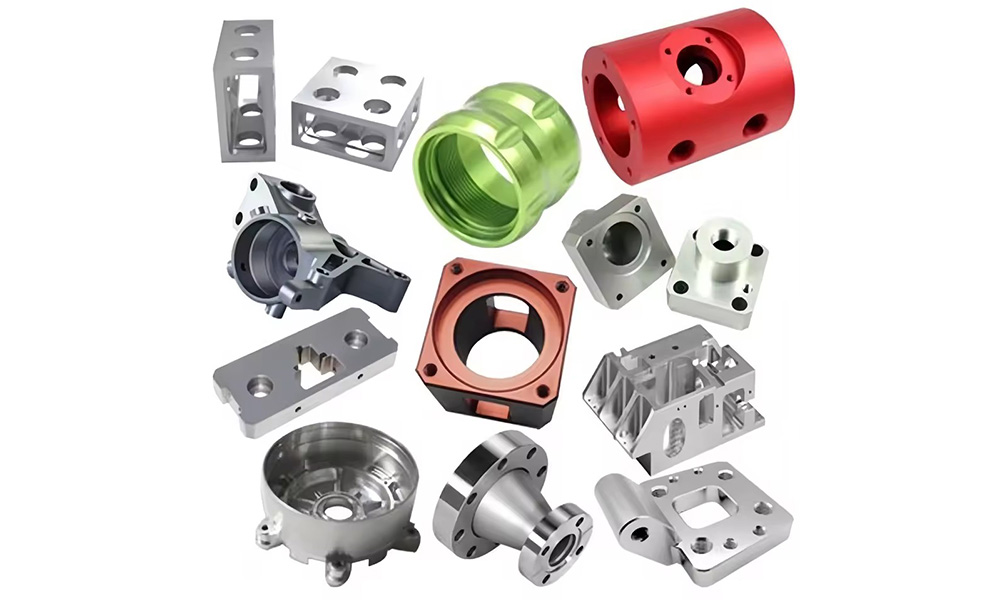
How to Choose the Right Supplier
Selecting a trustworthy manufacturing partner is essential for successful cooperation. Buyers should consider the following factors:
Technical Expertise: Evaluate the supplier’s experience with similar parts and industries.
Equipment and Technology: Modern machinery and inspection tools are crucial for precision work.
Quality Management System: A strong QA system ensures consistent results.
Communication: Clear and timely communication reduces risks and misunderstandings.
Delivery and Logistics: Reliable shipping and export experience ensure smooth transactions.
A long-term partnership with a capable supplier can lead to improved efficiency and mutual growth.
Future Trends in Precision Metal Manufacturing
The future of precision metal parts manufacturing is being shaped by technological advancements. Automation, artificial intelligence, and digital manufacturing systems are improving productivity and accuracy. Smart factories with real-time data monitoring enable better quality control and predictive maintenance.
Additionally, the growing demand for miniaturization in electronics and medical devices is pushing manufacturers to achieve even higher levels of precision. Sustainable manufacturing practices, such as material optimization and energy-efficient processes, are also becoming increasingly important.
Conclusion
Custom precision metal parts play a crucial role in modern manufacturing, providing the accuracy and reliability needed for high-performance applications. For global buyers, sourcing these components from experienced suppliers offers significant advantages in cost, quality, and scalability.
As industries continue to evolve and demand higher standards, precision manufacturing will remain at the forefront of innovation in global trade. By choosing the right partner, businesses can ensure long-term success and maintain a competitive edge in the international market.
