

Custom Stamped Automotive Parts in Global Trade: Driving Efficiency, Quality, and Innovation
In the highly competitive automotive industry, precision, durability, and cost efficiency are essential. As global supply chains continue to evolve, custom stamped automotive parts have become a vital solution for manufacturers, OEMs, and aftermarket suppliers. Metal stamping technology enables the mass production of complex components with consistent quality, making it a preferred choice for automotive applications worldwide.
For international buyers, sourcing custom stamped parts from experienced suppliers offers not only competitive pricing but also the flexibility to meet diverse design and performance requirements.
What Are Custom Stamped Automotive Parts?
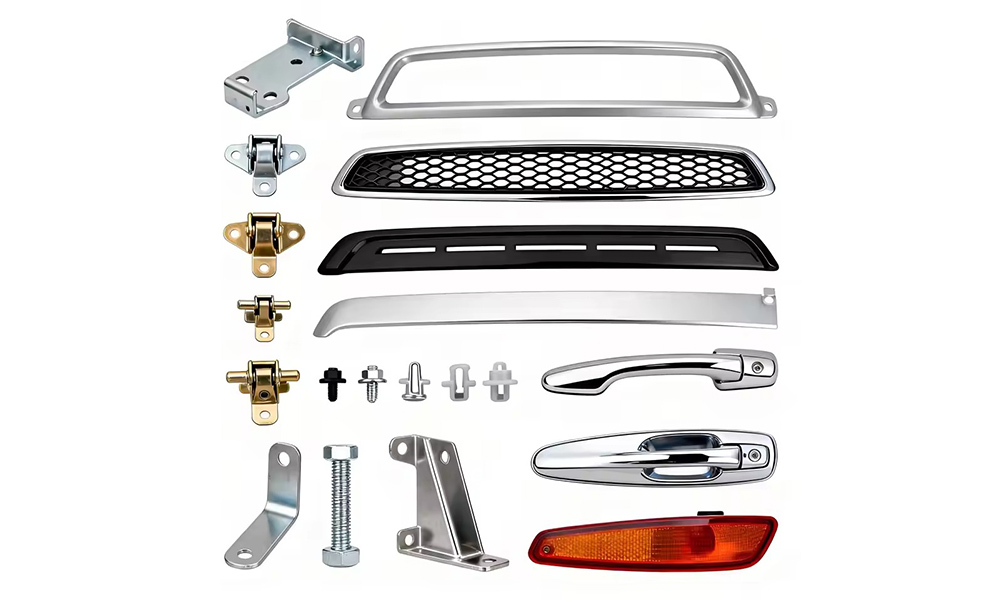
Metal stamping is a manufacturing process that uses dies and presses to shape flat metal sheets into specific forms. Custom stamped automotive parts are produced based on client-provided drawings, 3D models, or technical specifications. These parts can include brackets, panels, clips, reinforcements, and structural components used throughout a vehicle.
Common materials used in automotive stamping include carbon steel, stainless steel, aluminum, and copper alloys. Depending on the application, parts can also undergo additional processes such as bending, welding, surface treatment, and assembly.
Advantages of Metal Stamping for Automotive Components
Metal stamping offers several key benefits that make it ideal for automotive production:
High Production Efficiency: Once the tooling is developed, stamping allows for fast, high-volume production with minimal cycle time.
Consistent Quality: Precision dies ensure uniformity across all parts, which is critical for automotive safety and performance.
Cost-Effectiveness: Lower labor costs and efficient material usage help reduce overall production expenses.
Complex Geometries: Advanced stamping techniques can create intricate shapes and tight tolerances.
Material Strength: The stamping process can enhance the mechanical properties of certain metals, improving durability.
Key Applications in the Automotive Industry
Custom stamped parts are used in nearly every section of a vehicle:
Body Structure: Reinforcement parts, chassis brackets, and panels
Engine Components: Heat shields, mounting brackets, and covers
Interior Systems: Seat frames, clips, and support structures
Electrical Systems: Connectors, terminals, and shielding components
Suspension and Safety: Structural parts that require high strength and reliability
These components play a critical role in ensuring vehicle safety, performance, and longevity.
Why International Buyers Choose Custom Stamping Suppliers
Global buyers, especially those engaged in OEM and Tier 1 or Tier 2 supply chains, increasingly rely on overseas stamping manufacturers. The reasons include:
Competitive Pricing: Access to cost-efficient manufacturing regions helps reduce procurement costs.
Scalable Production: Suppliers can handle both small batches and large-scale orders.
Engineering Support: Many manufacturers offer design optimization to improve manufacturability and reduce costs.
Integrated Services: From tooling design to surface finishing and assembly, one-stop solutions streamline the supply chain.
Export Experience: Professional suppliers understand international standards, documentation, and logistics requirements.
Key Considerations When Selecting a Supplier
Choosing the right stamping partner is crucial for long-term success. Buyers should evaluate:
Tooling Capability: High-quality die design and maintenance directly impact part accuracy and lifespan.
Quality Assurance: Look for ISO/TS certifications and strict inspection processes.
Production Capacity: Ensure the supplier can meet your volume and delivery timelines.
Material Expertise: The ability to work with various metals and thicknesses is essential.
Communication and Responsiveness: Clear communication helps avoid misunderstandings and delays.
Emerging Trends in Automotive Stamping
With the rise of electric vehicles (EVs) and lightweight design, the stamping industry is undergoing rapid transformation. Manufacturers are increasingly using advanced high-strength steels (AHSS) and aluminum alloys to reduce vehicle weight while maintaining safety standards.
Automation and digitalization are also playing a key role. Smart factories equipped with robotic handling systems and real-time monitoring improve efficiency and reduce defects. Additionally, simulation software allows engineers to optimize die design and predict material behavior before production begins.
Conclusion
Custom stamped automotive parts are essential to modern vehicle manufacturing, offering a balance of precision, efficiency, and scalability. For global buyers, partnering with a reliable stamping supplier can unlock significant advantages in cost, quality, and innovation.
As the automotive industry continues to evolve, especially with the shift toward electrification and sustainability, custom metal stamping will remain a critical technology driving progress in global trade.
