

Laser Cutting vs. Stamping: Key Differences Explained
In modern manufacturing, choosing the right fabrication method is crucial for efficiency, cost control, and product quality. Two widely used techniques for shaping metal are laser cutting and stamping. While both processes serve similar purposes, they differ significantly in technology, application, and advantages.
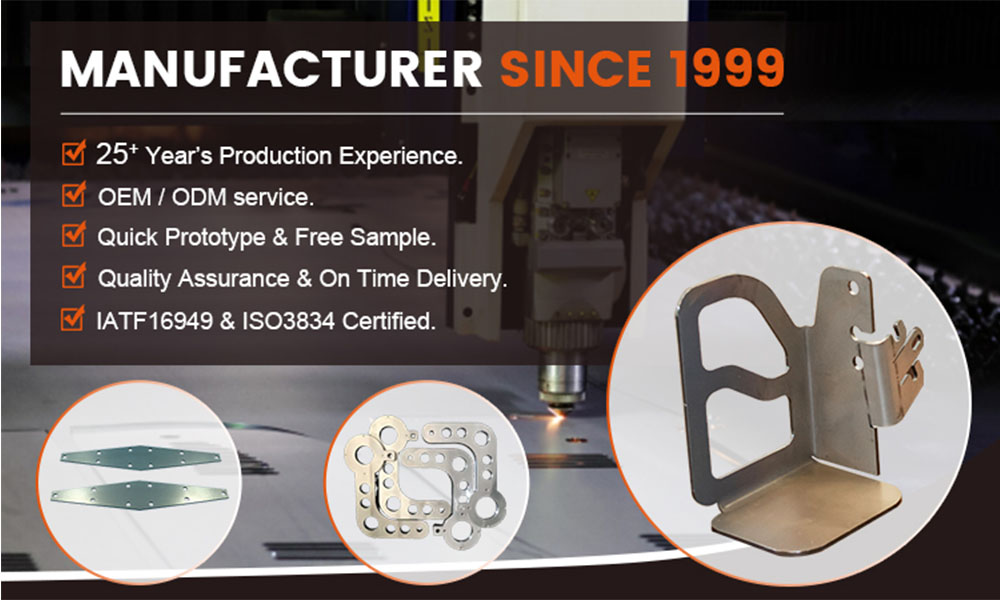
What is Laser Cutting?
Laser cutting is a non-contact process that uses a high-powered laser beam to cut or engrave materials. The laser is directed by computer numerical control (CNC), allowing for precise and complex designs. This method is commonly used for metals such as steel, aluminum, and stainless steel, as well as plastics and other materials.
One of the biggest advantages of laser cutting is its flexibility. Since it relies on digital design files, manufacturers can easily switch between designs without changing physical tools. This makes it ideal for prototyping, custom parts, and small to medium production runs. Additionally, laser cutting provides high precision, smooth edges, and minimal material waste.
However, laser cutting can be slower and more expensive for large-scale production. The cost per unit tends to remain relatively high because each piece is cut individually.
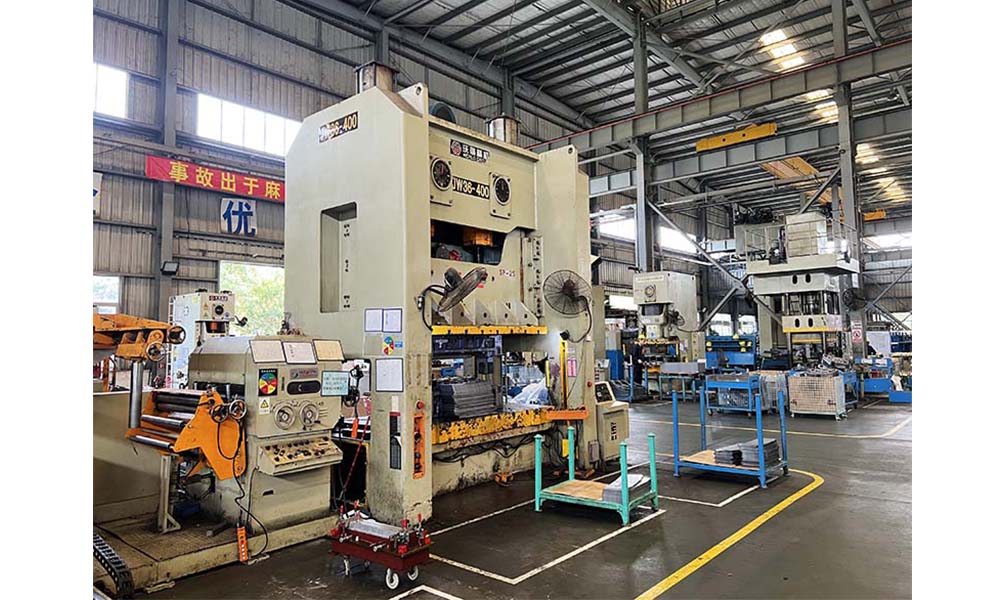
What is Stamping?
Stamping, also known as press stamping, is a manufacturing process that uses a die and a press to shape or cut metal sheets. The material is placed into a stamping press, where a tool and die surface form the metal into the desired shape.
Stamping is highly efficient for mass production. Once the tooling (die) is created, the process can produce large quantities of identical parts quickly and at a low cost per unit. It is commonly used in industries such as automotive, electronics, and appliances.
The main drawback of stamping is the high initial tooling cost. Designing and manufacturing the die can be expensive and time-consuming. Additionally, stamping is less flexible than laser cutting, as any design change requires modifying or replacing the tooling.
Key Differences
1. Flexibility
Laser cutting offers greater flexibility since it uses digital programming. Stamping requires physical dies, making it less adaptable to design changes.
2. Cost Structure
Laser cutting has low setup costs but higher per-unit costs. Stamping has high upfront costs but becomes cost-effective for large production volumes.
3. Precision and Complexity
Laser cutting excels in producing intricate and detailed designs. Stamping is better suited for simpler, repetitive shapes.
4. Production Volume
Laser cutting is ideal for small batches and prototypes. Stamping is preferred for high-volume manufacturing.
5. Speed
Stamping is generally faster once production begins, while laser cutting is comparatively slower for large quantities.
Conclusion
Both laser cutting and stamping play essential roles in manufacturing, but their suitability depends on project requirements. If flexibility, precision, and customization are priorities, laser cutting is the better choice. On the other hand, for large-scale production with consistent designs, stamping offers unmatched efficiency and cost savings. Understanding these differences helps manufacturers select the most appropriate method for their needs.
