

Custom Laser Cut Parts in Global Trade: Precision, Flexibility, and Competitive Advantage
In today’s fast-paced manufacturing landscape, custom laser cut parts have become a cornerstone of modern industrial supply chains. From automotive and aerospace to electronics and architectural design, businesses across the globe are turning to laser cutting technology for its unmatched precision, efficiency, and adaptability. For international buyers and importers, sourcing customized laser cut components from reliable suppliers can significantly enhance product quality while reducing overall costs.
What Are Custom Laser Cut Parts?
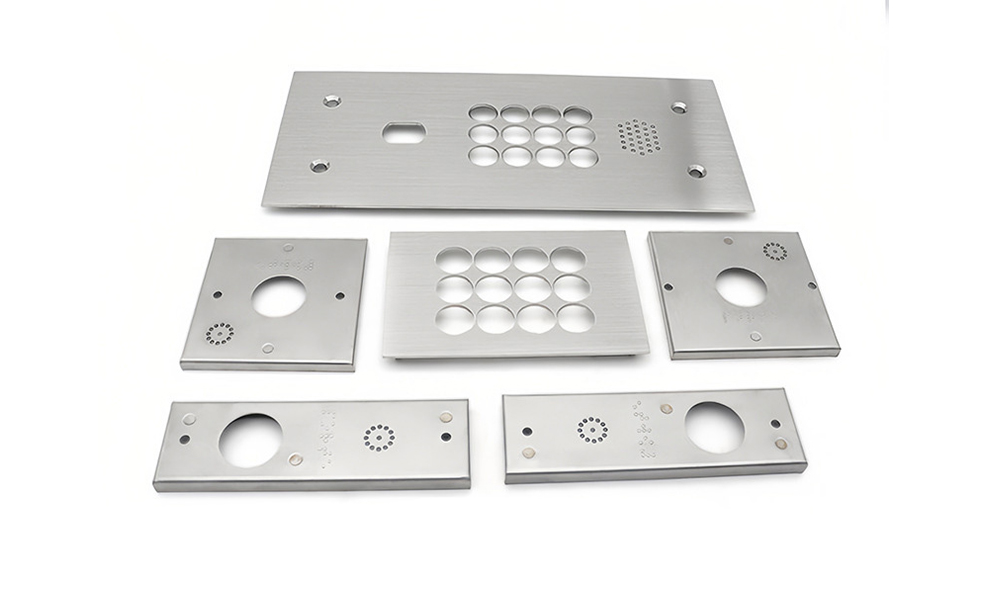
Laser cutting is a fabrication process that uses a focused laser beam to cut materials into precise shapes and designs. Unlike traditional cutting methods, laser technology delivers high accuracy with minimal material waste. Custom laser cut parts refer to components manufactured according to specific client drawings, CAD files, or technical requirements. These parts can be made from a wide range of materials, including stainless steel, carbon steel, aluminum, brass, acrylic, and even wood.
Why Laser Cutting Is Ideal for Customization
One of the biggest advantages of laser cutting is its flexibility. Whether you need complex geometries, intricate patterns, or tight tolerances, laser cutting machines can handle it with ease. This makes it ideal for prototyping as well as mass production.
Additionally, there is no need for expensive tooling or molds, which significantly reduces upfront costs. Design modifications can be implemented quickly by simply updating the digital file, allowing businesses to respond faster to market changes or client feedback.
Benefits for International Buyers
For overseas buyers, especially those involved in OEM and ODM projects, custom laser cut parts offer several key benefits:
High Precision and Consistency: Advanced CNC laser machines ensure uniform quality across large production runs.
Cost Efficiency: Lower tooling costs and reduced material waste translate into competitive pricing.
Short Lead Times: Digital processing speeds up production, making it easier to meet tight deadlines.
Material Versatility: Suppliers can work with multiple materials and thicknesses, offering greater design freedom.
Surface Quality: Clean edges and minimal burrs reduce the need for secondary finishing processes.
Applications Across Industries
Custom laser cut components are widely used in various sectors:
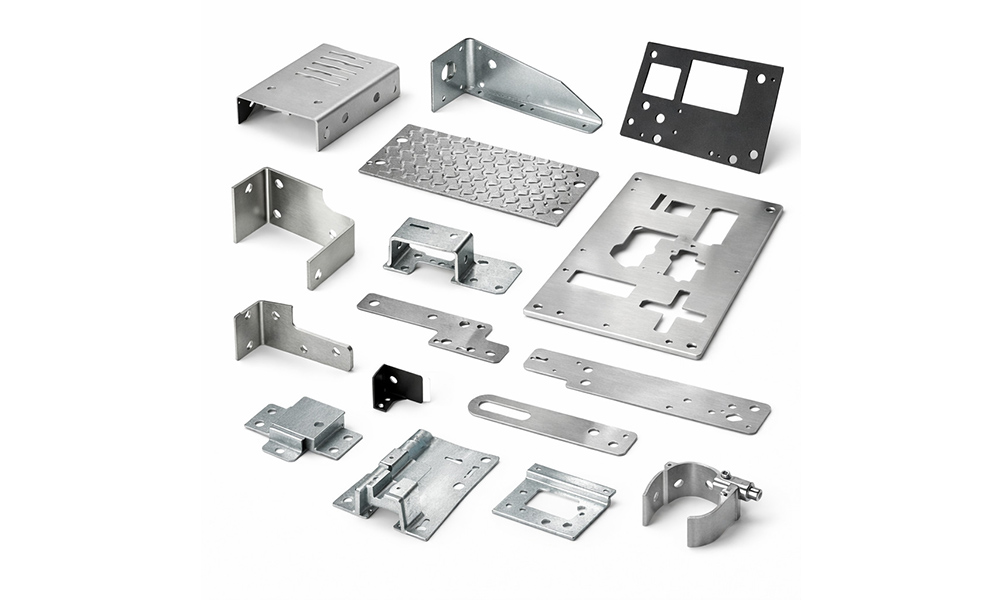
Automotive: Brackets, panels, and structural parts
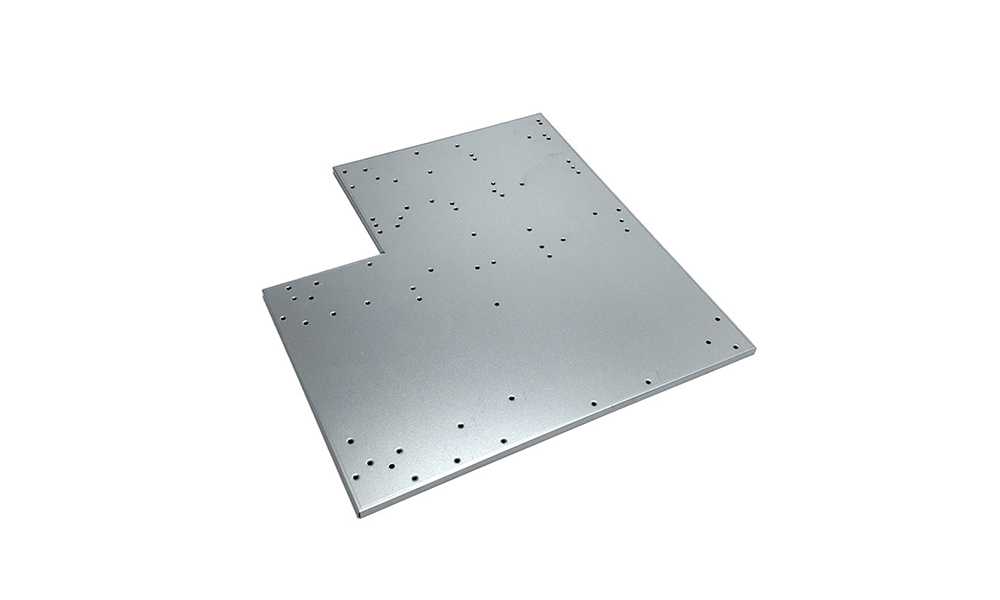
Electronics: Enclosures, heat sinks, and precision frames
Construction: Decorative panels, metal screens, and structural elements
Medical Devices: Precision parts requiring strict tolerances
Furniture and Design: Artistic metalwork and customized fixtures
Choosing the Right Supplier
When sourcing laser cut parts internationally, selecting the right supplier is critical. Here are a few factors to consider:
Technical Capability: Ensure the supplier has modern laser cutting equipment and experienced engineers.
Quality Control: Look for certifications such as ISO and a robust inspection process.
Communication: Clear and responsive communication is essential for smooth collaboration.
Customization Support: A good supplier should offer design assistance and engineering feedback.
Logistics Experience: Familiarity with export procedures, packaging, and shipping ensures timely delivery.
Future Trends in Laser Cutting
As technology continues to evolve, laser cutting is becoming even more advanced. Fiber laser systems, automation, and AI-driven optimization are improving cutting speed, energy efficiency, and precision. These innovations are making custom laser cutting more accessible and cost-effective for businesses of all sizes.
Conclusion
Custom laser cut parts are redefining how products are designed and manufactured in global trade. With their precision, flexibility, and cost advantages, they provide a powerful solution for companies looking to stay competitive in international markets. By partnering with the right supplier, businesses can unlock new opportunities for innovation, efficiency, and growth.
