

The Versatile Applications of Sheet Metal Fabrication Across Industries
Sheet metal fabrication is a cornerstone of modern manufacturing, enabling the transformation of flat metal sheets into functional, durable, and often highly complex components. Through processes such as cutting, bending, punching, and welding, sheet metal can be shaped to meet the needs of a wide range of industries. Its adaptability, cost-effectiveness, and strength make it an essential technology in today’s industrial landscape.
One of the most prominent sectors relying on sheet metal fabrication is the automotive industry. From car body panels and chassis components to brackets and exhaust systems, fabricated metal parts are everywhere in a vehicle. Manufacturers favor sheet metal for its lightweight properties combined with structural integrity, which helps improve fuel efficiency while maintaining safety standards. Precision fabrication also allows for aerodynamic designs and consistent mass production.
In the aerospace industry, sheet metal fabrication plays an even more critical role due to strict safety and performance requirements. Aircraft components such as fuselage panels, wing structures, and internal support systems are often made from high-strength metals like aluminum and titanium. These materials must be fabricated with extreme precision to ensure durability under high stress and varying environmental conditions. Advanced fabrication techniques, including CNC machining and laser cutting, are commonly used to meet these demanding standards.
The construction sector is another major beneficiary of sheet metal fabrication. It is widely used in roofing, cladding, HVAC systems, and structural frameworks. Sheet metal provides durability against weather conditions while allowing architects and engineers flexibility in design. Modern buildings often incorporate custom-fabricated metal elements for both functional and aesthetic purposes, such as decorative facades and energy-efficient ventilation systems.
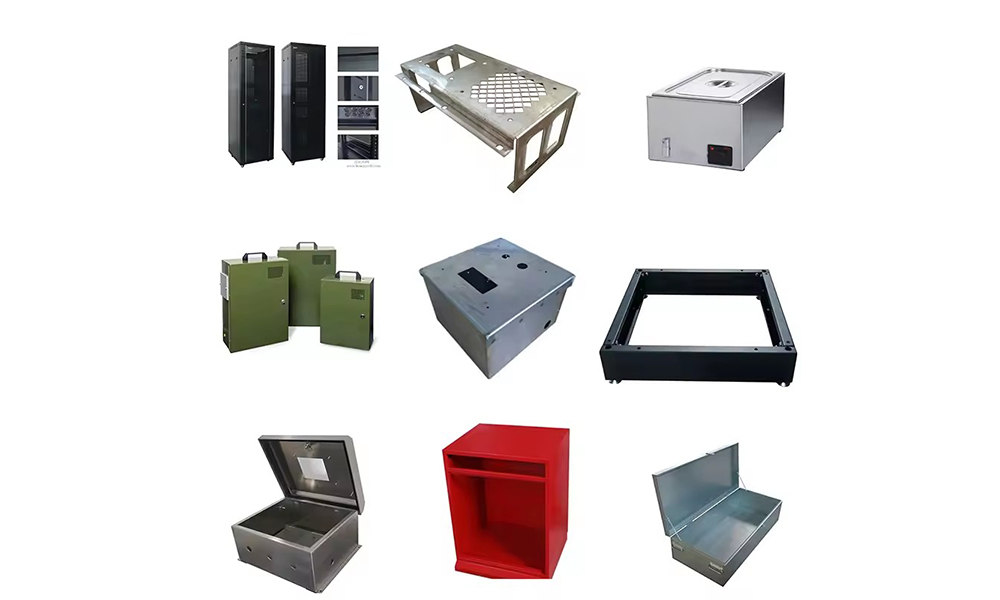
In the electronics industry, sheet metal fabrication is essential for producing enclosures, cabinets, and support structures for devices and equipment. These metal housings protect sensitive components from environmental factors like dust, moisture, and electromagnetic interference. As electronic devices become more compact and powerful, the demand for precise and miniaturized metal parts continues to grow, pushing innovation in fabrication techniques.
The medical field also benefits significantly from sheet metal fabrication. Medical devices, hospital equipment, and laboratory instruments often require custom metal components that meet strict hygiene and safety standards. Stainless steel, in particular, is widely used due to its corrosion resistance and ease of sterilization. Fabrication processes ensure that these components are both functional and compliant with regulatory requirements.
Additionally, the energy sector—including renewable energy—relies heavily on fabricated sheet metal components. Solar panel frames, wind turbine parts, and electrical enclosures all require durable and weather-resistant materials. Fabrication allows for the production of components that can withstand harsh outdoor conditions while maintaining efficiency and longevity.
In conclusion, sheet metal fabrication is a highly versatile and indispensable process that supports a vast array of industries. Its ability to produce strong, precise, and customizable components ensures its continued relevance as technology evolves. As industries demand higher efficiency, sustainability, and innovation, sheet metal fabrication will remain a key driver in shaping the future of manufacturing.
