

The Expanding Applications of Stamping and Deep Drawing Across Modern Industries
Stamping and deep drawing are two of the most widely used metal forming processes in modern manufacturing. Known for their efficiency, scalability, and cost-effectiveness, these techniques enable the mass production of durable and precise components. From automotive parts to consumer goods, stamping and deep drawing play a critical role in shaping the products we use every day.
Understanding Stamping and Deep Drawing
Metal stamping is a manufacturing process that uses dies and presses to shape or cut sheet metal into specific forms. It includes operations such as punching, bending, embossing, and coining. The process is highly efficient for high-volume production and ensures consistent quality across large batches.
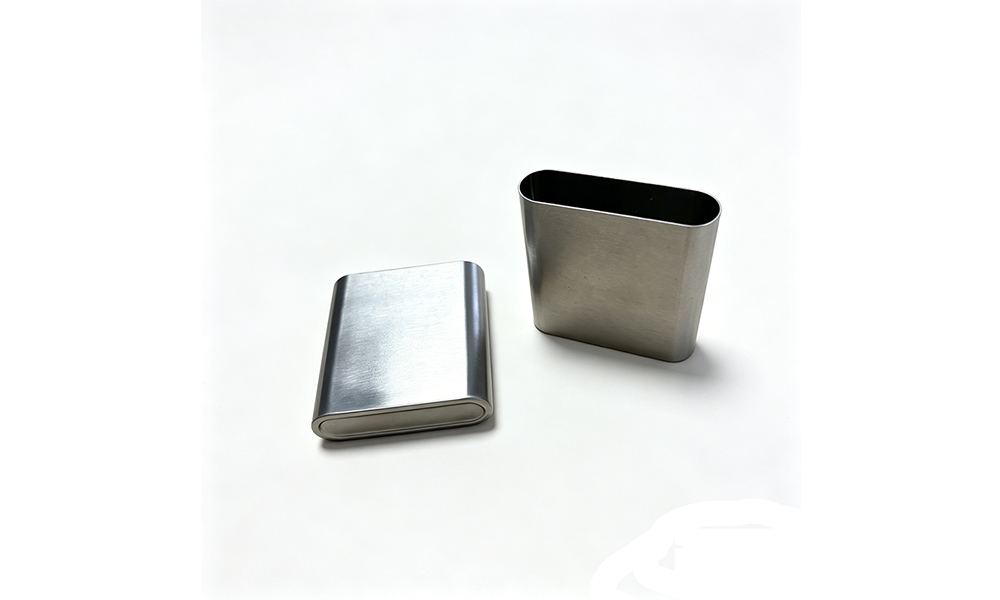
Deep drawing, a specialized type of stamping, involves pulling a sheet metal blank into a die cavity to create deep, hollow, and seamless components. This process is ideal for producing cylindrical or box-shaped parts with uniform wall thickness. Materials commonly used include steel, aluminum, copper, and stainless steel.
While stamping is often used for flat or moderately shaped parts, deep drawing is essential for producing more complex, three-dimensional geometries.
Applications in the Automotive Industry
The automotive sector is one of the largest users of stamping and deep drawing technologies. Stamping is used to manufacture body panels, structural components, brackets, and reinforcements. Its high-speed production capabilities make it ideal for meeting the large-scale demands of vehicle manufacturing.
Deep drawing is used for components such as fuel tanks, oil pans, and transmission housings. These parts require high strength, seamless construction, and precise dimensions. The processes also contribute to lightweighting efforts by enabling the use of thinner materials without compromising structural integrity.
Aerospace and Aviation
In the aerospace industry, stamping and deep drawing are used to produce lightweight yet strong components. Precision is critical, and these processes help maintain tight tolerances while minimizing material waste.
Deep drawn parts such as enclosures, housings, and structural elements are commonly used in aircraft systems. The ability to form complex shapes without welding reduces potential weak points and enhances overall reliability.
Electronics and Electrical Components
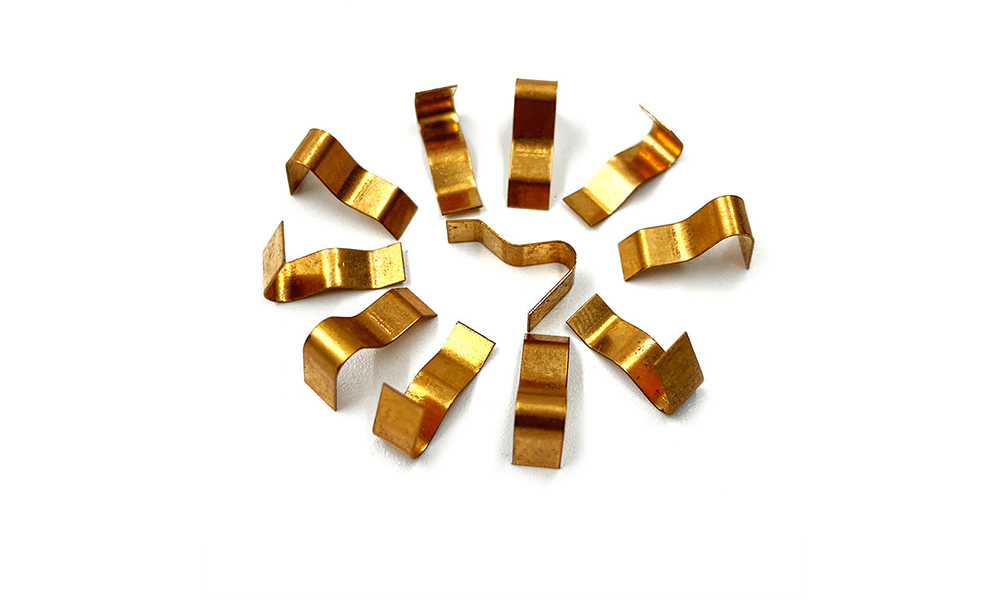
Stamping is widely used in the electronics industry to produce connectors, terminals, shielding components, and heat sinks. The process allows for high-speed production of small, intricate parts with excellent dimensional accuracy.
Deep drawing is used for battery casings, metal enclosures, and shielding components that require seamless construction. As electronic devices become more compact, the demand for precision-formed components continues to grow.
Medical Device Manufacturing
In the medical field, stamping and deep drawing are essential for producing components such as surgical instruments, implantable devices, and medical housings. Stainless steel and other biocompatible materials are commonly used.
Deep drawing is particularly valuable for creating smooth, seamless parts that are easy to sterilize and resistant to contamination. The high precision and repeatability of these processes ensure compliance with strict medical standards.
Packaging and Consumer Goods
Deep drawing is widely used in the packaging industry to manufacture metal containers such as beverage cans, food tins, and aerosol containers. The process allows for high-speed production with minimal material waste.
Stamping is also used in the production of everyday consumer goods, including kitchenware, appliances, and hardware components. Its ability to produce consistent, high-quality parts at low cost makes it ideal for mass-market products.
Energy and Industrial Applications
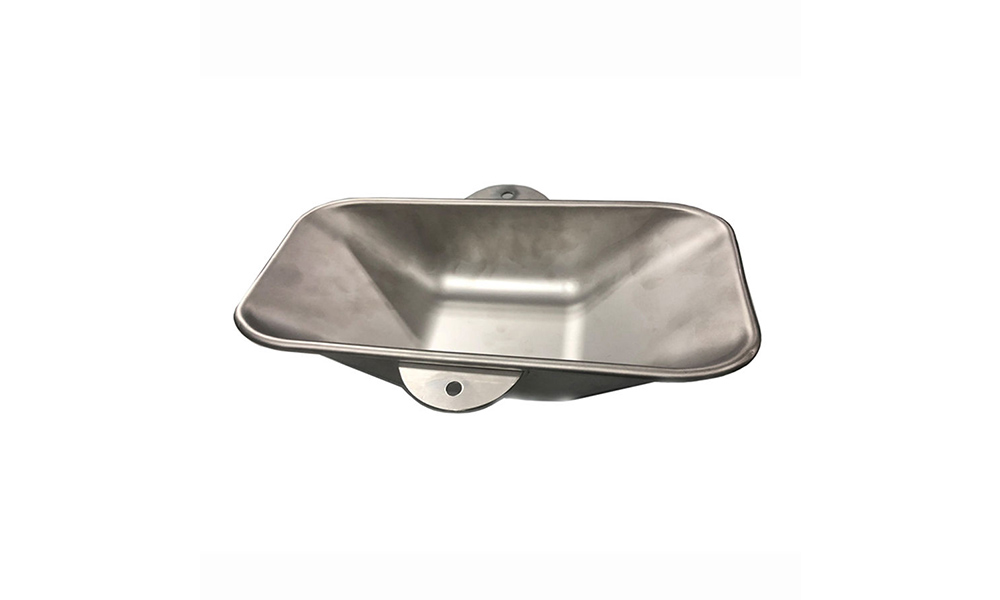
In the energy sector, stamping and deep drawing are used to produce components for batteries, fuel cells, and industrial equipment. Deep drawn parts such as pressure vessels and enclosures are designed to withstand harsh operating conditions.
These processes also support the production of renewable energy components, including parts for solar panels and energy storage systems, contributing to more sustainable manufacturing practices.
Advantages of Stamping and Deep Drawing
One of the key advantages of these processes is their ability to produce large volumes of parts with consistent quality and low unit cost. They also minimize material waste and reduce the need for secondary operations such as welding or machining.
Additionally, stamping and deep drawing offer excellent surface finishes and structural integrity, making them suitable for both functional and aesthetic applications.
Conclusion
Stamping and deep drawing technologies continue to be fundamental to modern manufacturing. Their versatility, efficiency, and ability to produce high-quality components at scale make them indispensable across a wide range of industries. As materials and forming technologies continue to advance, these processes will remain critical in meeting the evolving demands of global production and innovation.
