

The Broad Applications of Sheet Metal Bending Across Modern Industries
Sheet metal bending is one of the most fundamental and widely used processes in modern manufacturing. By applying force to a metal sheet to deform it along a straight axis, bending transforms flat materials into functional, three-dimensional components. With the advancement of CNC press brakes and automation, bending has evolved into a highly precise, efficient, and repeatable process, serving a wide range of industries from heavy machinery to consumer electronics.
Understanding the Bending Process
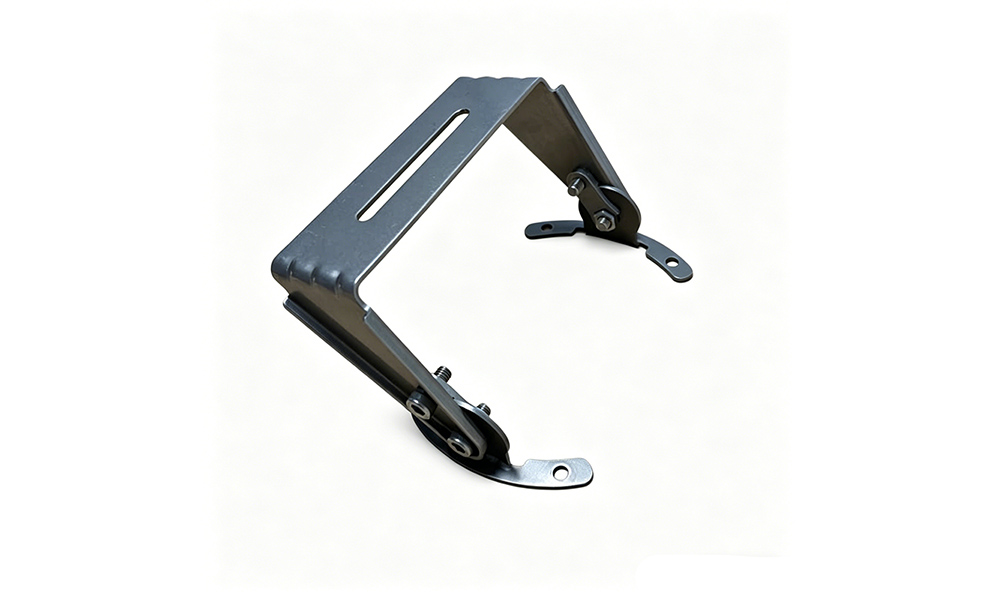
Bending is typically performed using press brakes equipped with punches and dies that shape the metal into desired angles and forms. Depending on the application, techniques such as air bending, bottoming, and coining are used to achieve different levels of precision and material deformation.
Modern CNC-controlled bending machines allow for programmable sequences, automatic angle correction, and high repeatability. This ensures consistent quality even in large-scale production runs. Materials commonly used in bending include carbon steel, stainless steel, aluminum, and copper alloys.
Applications in the Automotive Industry
In the automotive sector, sheet metal bending is essential for producing structural and non-structural components. Parts such as brackets, chassis reinforcements, seat frames, and enclosures are commonly formed through bending.
Precision bending ensures that components fit accurately during assembly, which is critical for vehicle safety and performance. Additionally, bending supports lightweight design strategies by enabling the use of thinner materials without compromising strength.
Aerospace and Aviation
The aerospace industry demands extremely high precision and reliability. Sheet metal bending is used to manufacture components such as brackets, supports, housings, and airframe parts.
Advanced CNC bending systems ensure tight tolerances and repeatability, which are crucial for maintaining structural integrity and safety. Lightweight materials like aluminum alloys are often bent into complex shapes to meet both performance and weight requirements.
Electronics and Electrical Equipment
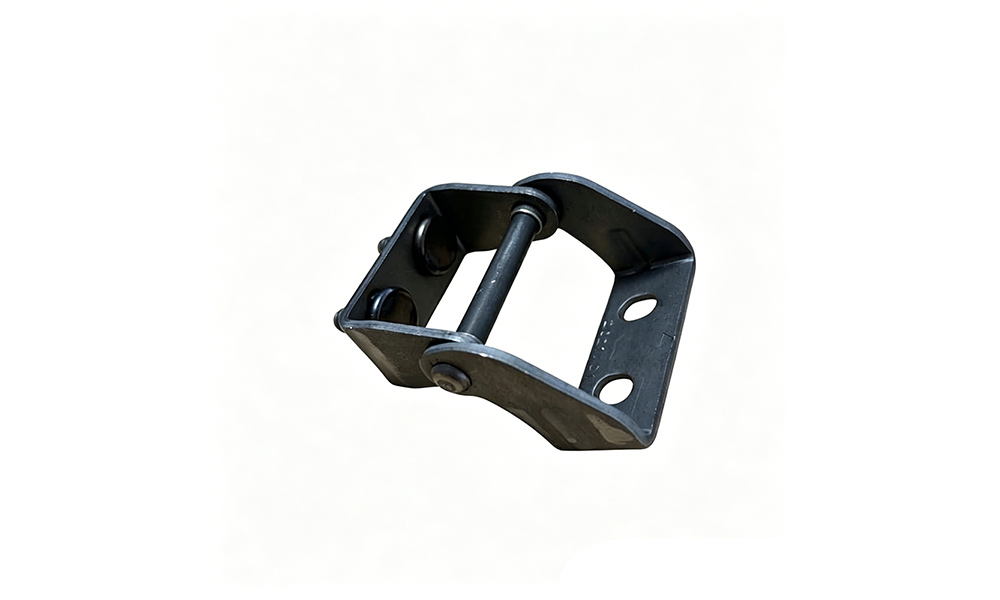
Bending plays a key role in the production of enclosures, cabinets, racks, and mounting structures for electronic and electrical systems. These components must not only protect sensitive equipment but also allow for proper heat dissipation and cable management.
With the increasing miniaturization of electronic devices, precision bending has become more important than ever. CNC bending machines can produce intricate shapes with high accuracy, supporting the development of compact and efficient designs.
Construction and Architecture
In the construction industry, sheet metal bending is used to create structural components, roofing systems, cladding, and decorative architectural elements. Materials such as steel and aluminum are bent into shapes that provide both strength and aesthetic appeal.
Architects and designers often rely on bending to achieve modern, clean lines and customized forms in building facades and interior features. The flexibility of the process allows for creative freedom while maintaining structural functionality.
Medical Equipment and Devices
In the medical field, bending is used to manufacture equipment housings, support structures, and specialized components for devices such as imaging systems and surgical equipment.
Precision and cleanliness are critical in this industry. CNC bending ensures smooth edges, accurate dimensions, and consistent quality, which are essential for meeting strict regulatory standards.
Energy and Industrial Equipment
The energy sector utilizes sheet metal bending for producing components used in power generation, renewable energy systems, and heavy machinery. Enclosures, frames, and support structures for equipment such as solar panels and electrical cabinets are commonly formed through bending.
The durability and strength of bent metal components make them suitable for harsh operating environments, including outdoor and industrial settings.
Consumer Products and Appliances
Sheet metal bending is widely used in the production of household appliances, furniture, and consumer goods. Products such as refrigerators, ovens, washing machines, and metal furniture rely on bent components for their structure and functionality.
The process allows manufacturers to produce aesthetically pleasing designs with smooth finishes while maintaining cost efficiency in mass production.
Advantages of Sheet Metal Bending
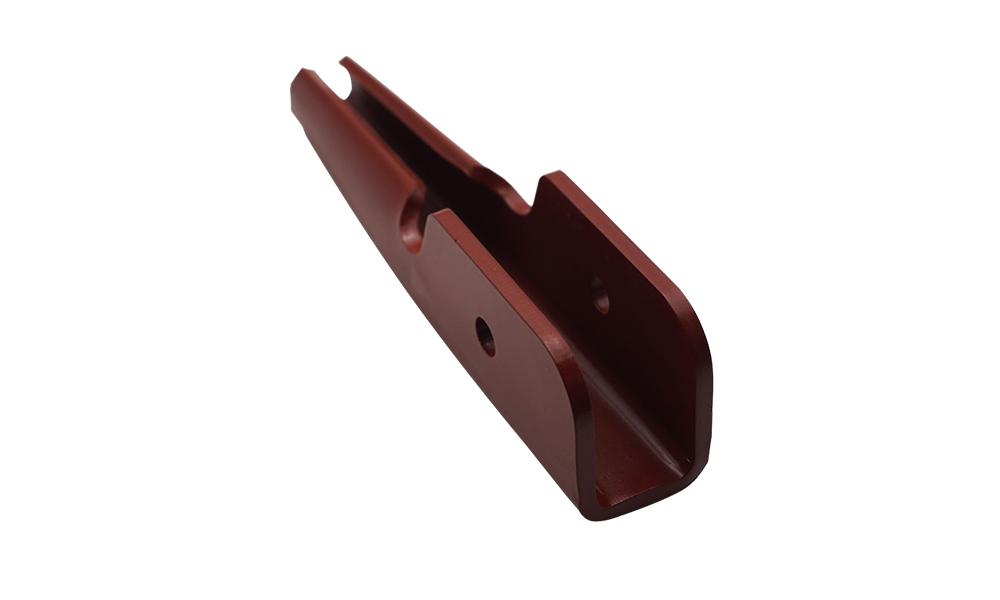
One of the main advantages of bending is its ability to create strong, lightweight structures without the need for additional joining processes. It is also highly efficient, with minimal material waste compared to subtractive methods.
CNC bending enhances precision, reduces human error, and enables rapid production. The process is also highly adaptable, allowing manufacturers to quickly adjust designs and accommodate custom requirements.
Conclusion
Sheet metal bending remains a cornerstone of modern manufacturing due to its versatility, efficiency, and precision. Its applications span across virtually every major industry, supporting both functional and aesthetic requirements. As technology continues to advance, bending processes will become even more automated and precise, further expanding their role in shaping the products and infrastructure of the future.
