

Custom Metal Stamping: Precision, Efficiency, and Innovation in Modern Manufacturing
Custom metal stamping has become an essential process in today’s manufacturing landscape, enabling the mass production of high-quality, precision-engineered components across a wide range of industries. From automotive and electronics to medical devices and consumer products, custom stamping offers a cost-effective and scalable solution for producing complex metal parts with consistent accuracy.
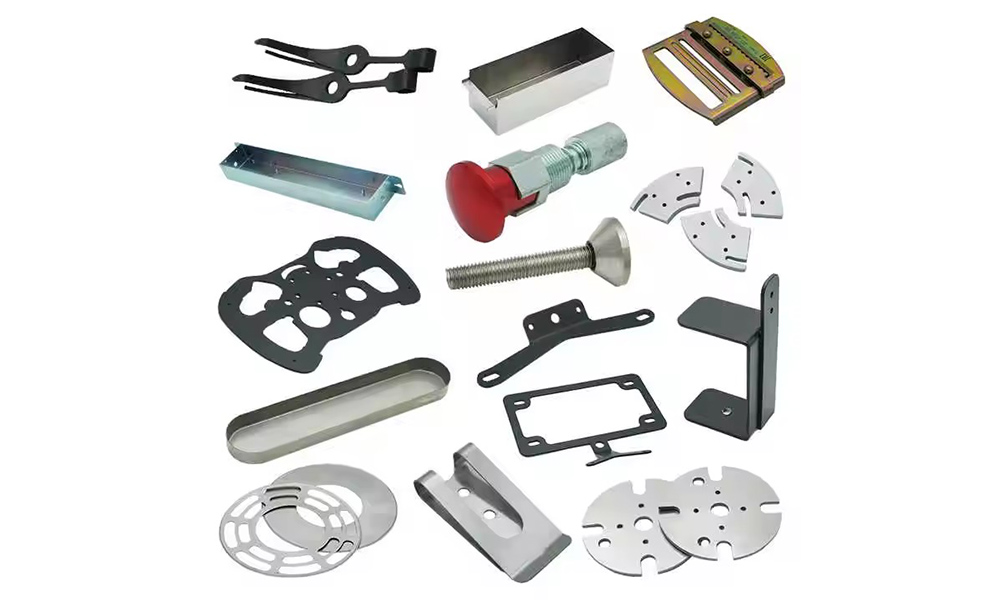
Metal stamping is a manufacturing process that involves placing flat metal sheets or coils into a stamping press, where specialized tools and dies shape the material into the desired form. In custom stamping, these tools are specifically designed and engineered to meet unique product requirements, allowing manufacturers to create highly tailored components that match precise specifications.
One of the most significant advantages of custom metal stamping is its ability to achieve high levels of precision and repeatability. Once the die is designed and manufactured, the stamping process can produce thousands or even millions of identical parts with minimal variation. This consistency is crucial in industries where tight tolerances and uniformity are essential, such as in automotive safety components or electronic connectors.
Efficiency is another key benefit of custom stamping. Modern stamping presses, especially high-speed and progressive die systems, can perform multiple operations—such as punching, bending, embossing, and coining—in a single cycle. This reduces the need for secondary processes and significantly shortens production time. As a result, manufacturers can achieve high output rates while maintaining cost-effectiveness.
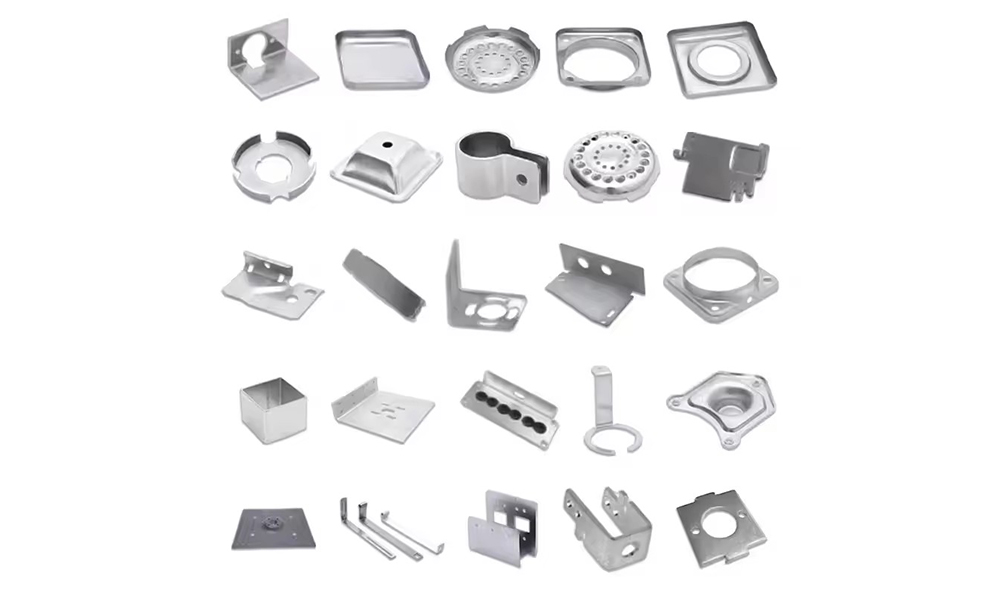
Material versatility further enhances the value of custom stamping. A wide range of metals can be used in the process, including steel, aluminum, copper, brass, and various alloys. Each material offers different mechanical properties, such as strength, conductivity, and corrosion resistance, allowing engineers to select the most suitable option for their application. Additionally, surface treatments like plating, anodizing, and coating can be applied to improve durability and performance.
The customization aspect of metal stamping is particularly important in product development. Engineers and designers can collaborate closely to create optimized part geometries that not only meet functional requirements but also reduce material waste and manufacturing costs. With the integration of CAD and simulation tools, potential design issues can be identified and resolved before production begins, minimizing risks and ensuring a smoother manufacturing process.
However, custom metal stamping also presents certain challenges. Tooling costs can be relatively high, especially for complex or large-scale dies. The design and fabrication of these tools require significant expertise and time. Therefore, custom stamping is most cost-effective in medium to high-volume production runs, where the initial tooling investment can be amortized over a large number of parts.
Quality control is another critical aspect of the stamping process. Manufacturers must implement rigorous inspection procedures to ensure that each part meets the required specifications. Advanced technologies such as automated optical inspection and in-line monitoring systems are increasingly being used to enhance quality assurance and reduce defects.
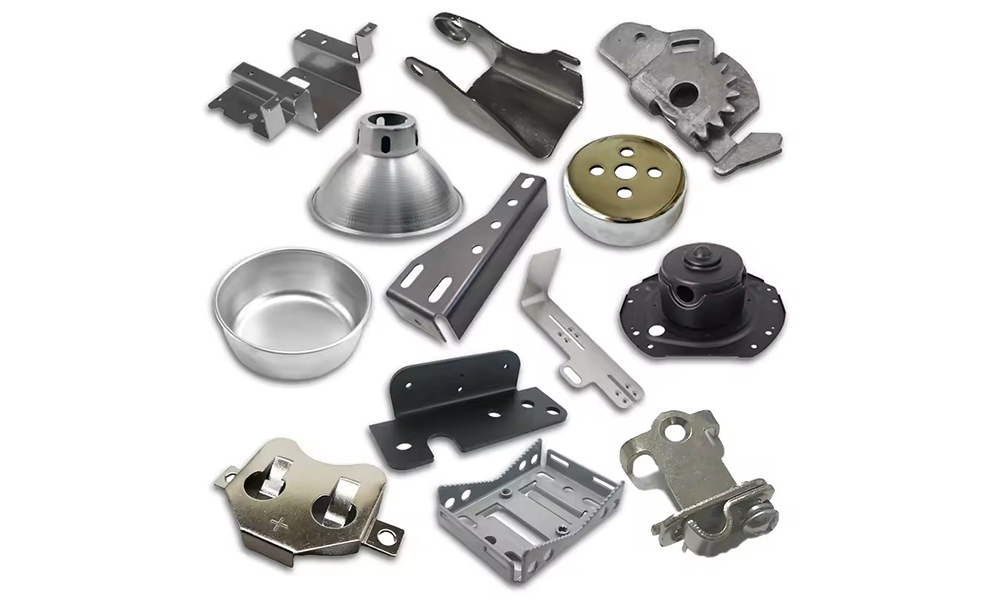
Looking to the future, custom metal stamping continues to evolve with advancements in automation, digital manufacturing, and smart production systems. The integration of robotics and real-time data analytics is improving efficiency, reducing downtime, and enabling more flexible production capabilities. These innovations are helping manufacturers respond more quickly to changing market demands and customer needs.
In conclusion, custom metal stamping is a powerful and versatile manufacturing process that combines precision, efficiency, and scalability. Despite the challenges associated with tooling and initial setup, its ability to deliver high-quality, customized components at competitive costs makes it an indispensable solution in modern industry. As technology continues to advance, custom stamping will play an increasingly important role in driving innovation and supporting the development of next-generation products.
