

Understanding the Differences Between Sheet Metal Fabrication and Mechanical Manufacturing Processes
In modern industrial production, both sheet metal fabrication and mechanical manufacturing play essential roles. Although they are often interconnected, these two manufacturing approaches differ significantly in terms of processes, materials, applications, and production methods. Understanding these differences is crucial for engineers, designers, and manufacturers when selecting the most suitable technique for a given project.
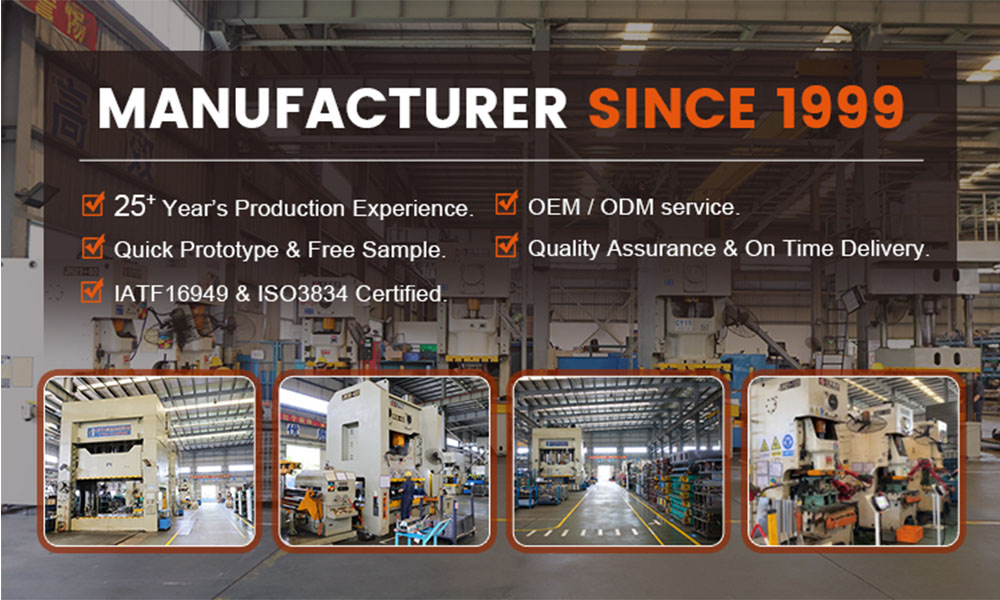
Sheet metal fabrication primarily focuses on transforming flat metal sheets into desired shapes and structures. This process typically involves cutting, bending, and assembling thin metal materials such as steel, aluminum, or copper. Common techniques include laser cutting, punching, stamping, and welding. Because sheet metal is relatively thin, the processes emphasize precision and efficiency, especially for producing lightweight yet strong components. Industries such as automotive, aerospace, and electronics widely rely on sheet metal fabrication for parts like enclosures, brackets, and panels.
In contrast, mechanical manufacturing also known as machining or general manufacturing encompasses a broader range of processes used to create components from solid materials. These processes include turning, milling, drilling, grinding, and casting. Unlike sheet metal fabrication, mechanical manufacturing often starts with bulk materials such as bars, blocks, or castings. The goal is to remove or reshape material to achieve the desired geometry and surface finish. This approach allows for high precision and is commonly used to produce complex parts like gears, shafts, and engine components.
One key difference lies in material thickness and form. Sheet metal fabrication deals with thin, flat materials, while mechanical manufacturing handles solid, thick materials. This distinction directly affects the tools and machinery used. For instance, press brakes and laser cutters are typical in sheet metal work, whereas CNC machines and lathes dominate mechanical manufacturing.
Another important difference is production efficiency and scalability. Sheet metal fabrication is highly suitable for mass production due to its speed and repeatability, especially when using automated systems. Mechanical manufacturing, while also capable of mass production, is often more time consuming and may involve multiple steps to achieve high precision, making it more suitable for complex or custom components.
Cost considerations also vary between the two. Sheet metal fabrication generally has lower material waste and faster processing times, leading to cost efficiency in large volume production. Mechanical manufacturing, on the other hand, may incur higher costs due to material removal, longer machining time, and tool wear.
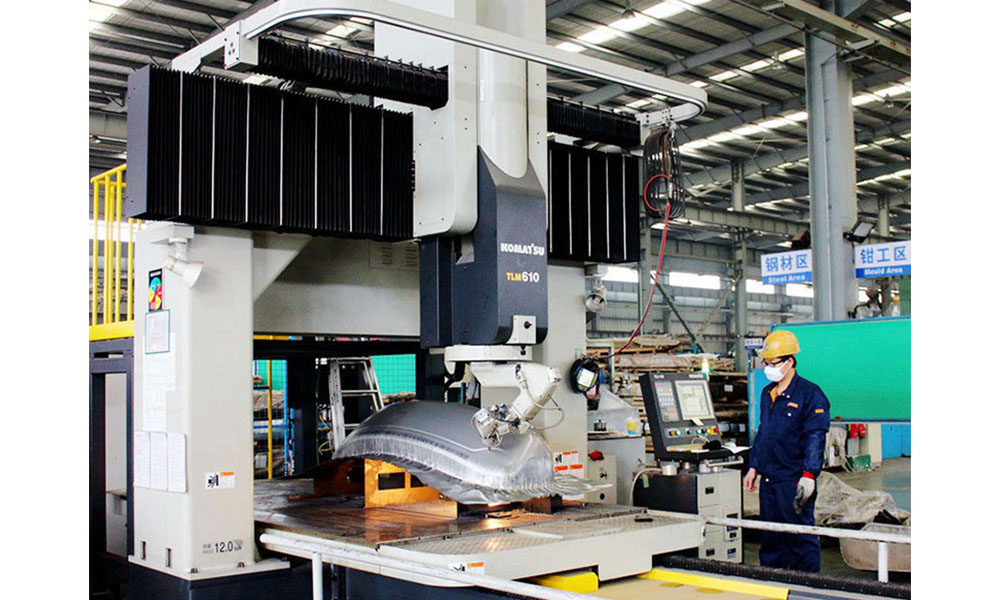
In terms of design flexibility, mechanical manufacturing offers greater freedom in creating intricate shapes and tight tolerances. Sheet metal fabrication, while efficient, is limited by bending radii and material deformation constraints.
In conclusion, both sheet metal fabrication and mechanical manufacturing are indispensable in modern industry. The choice between them depends on factors such as material type, part complexity, production volume, and cost requirements. By understanding their differences, manufacturers can optimize production processes and achieve better performance and efficiency in their products.
