

Sheet Metal Fabrication: A Core Manufacturing Solution for Modern Industries
In today’s industrial landscape, sheet metal fabrication plays a vital role in transforming flat metal sheets into functional, high-precision components used across countless industries. From simple brackets to complex enclosures and structural assemblies, sheet metal fabrication combines advanced technology, skilled craftsmanship, and efficient production methods. This blog provides a comprehensive overview of what sheet metal fabrication is, how it works, its main process types, service scope, advantages, and practical applications.
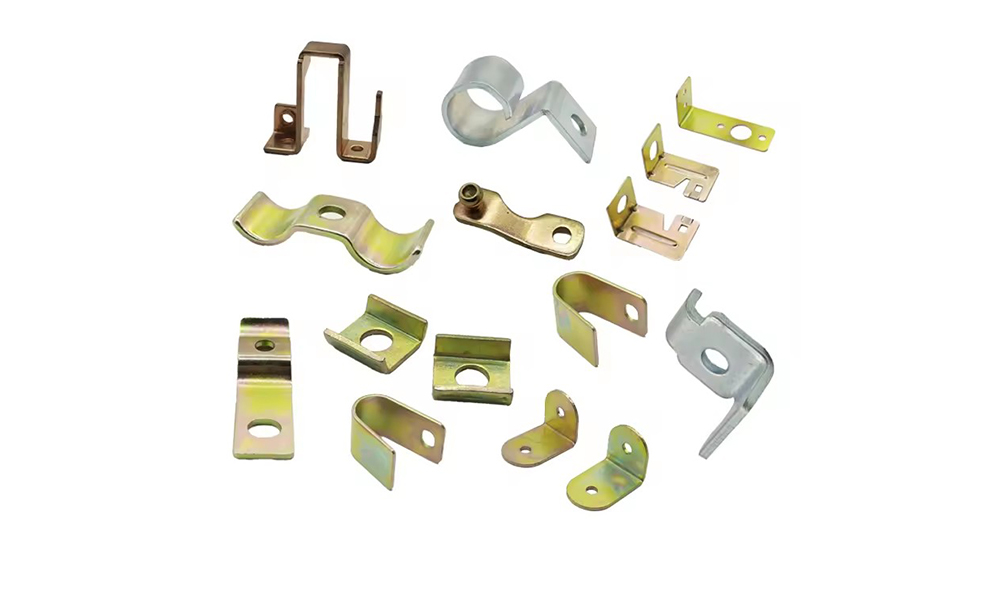
What Is Sheet Metal Fabrication?
Sheet metal fabrication is a manufacturing process that involves cutting, forming, bending, joining, and finishing metal sheets to create custom parts or assemblies. Commonly used metals include stainless steel, carbon steel, aluminum, copper, brass, and galvanized steel. The process supports both prototype development and high-volume production, making it a flexible solution for a wide range of industrial needs.
Sheet metal fabrication is valued for its precision, repeatability, material efficiency, and ability to produce complex geometries with consistent quality.
Sheet Metal Fabrication Process
The fabrication process typically follows several structured steps:
1. Design and Engineering
Parts are designed using CAD software, ensuring dimensional accuracy and manufacturability.
2. Cutting
Metal sheets are cut to shape using laser cutting, plasma cutting, water jet cutting, or mechanical shearing.
3. Forming and Bending
Press brakes, rolling machines, and stamping tools are used to bend or shape metal sheets into the desired geometry.
4. Joining and Assembly
Components are joined through welding, riveting, fastening, or clinching.
5. Surface Finishing
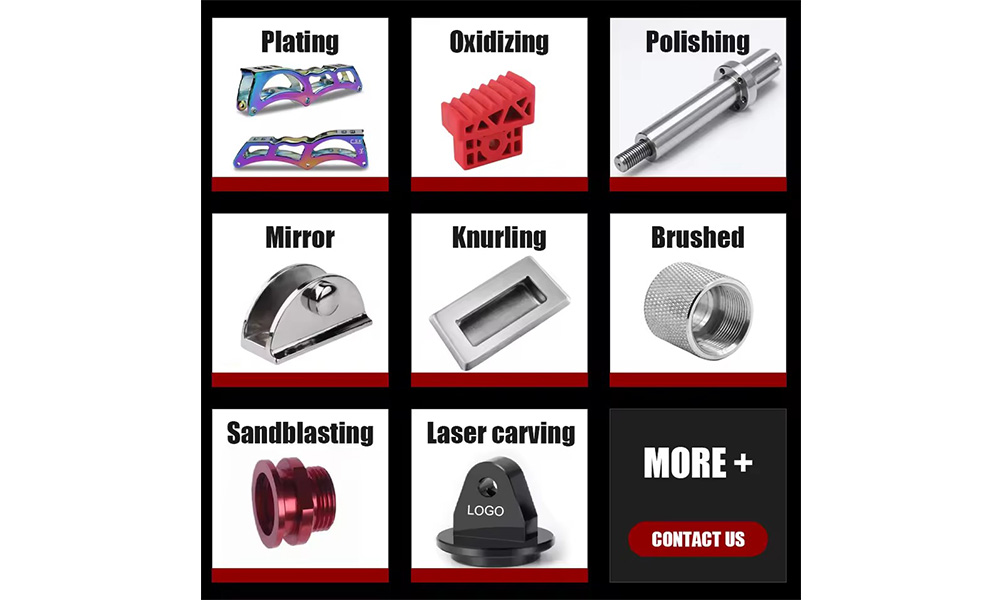
Finishes such as polishing, powder coating, electroplating, electrophoresis, or painting are applied to enhance appearance and performance.
6. Inspection and Packaging
Finished parts are inspected for quality and prepared for delivery.
Each step is carefully controlled to ensure consistency and compliance with customer specifications.
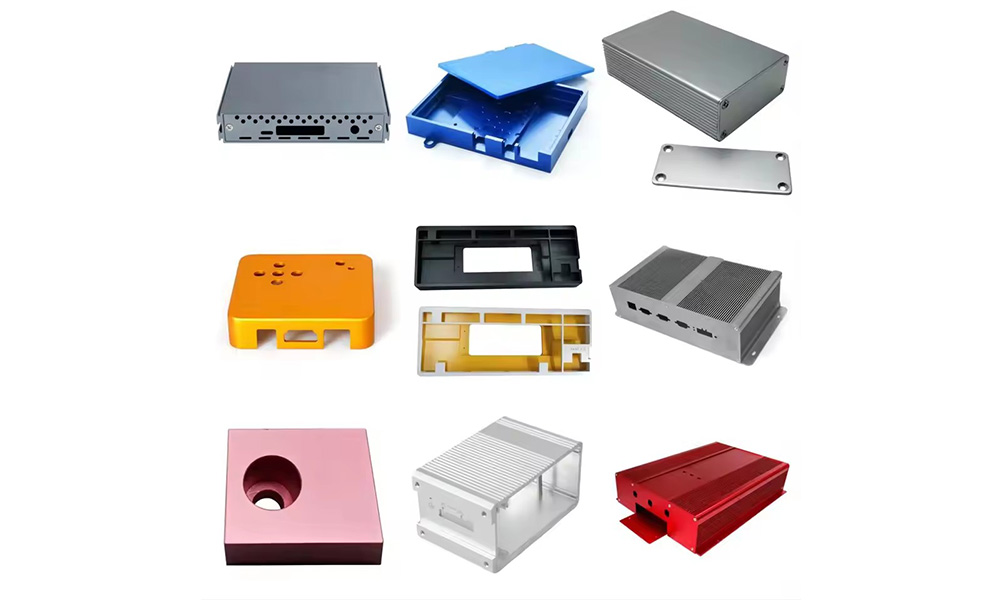
Types of Sheet Metal Fabrication
Sheet metal fabrication can be classified based on processing methods and complexity:
Cut-to-Shape Fabrication – Simple flat components
Bending and Forming Fabrication – Brackets, panels, and enclosures
Stamping and Press Forming – High-volume parts with tight tolerances
Welded Fabrication – Structural frames and assemblies
Precision Sheet Metal Fabrication – Tight tolerances for electronics and medical devices
Custom Fabrication – Low-volume or specialized components
Each type is selected based on material, design complexity, and production volume.
Sheet Metal Fabrication Services
Professional sheet metal fabrication services typically include:
CAD/CAM engineering support
Laser and CNC cutting
CNC bending and forming
Welding and assembly
Surface finishing and coating
Prototype and mass production
Quality inspection and testing
One-stop manufacturing solutions
Integrated services help reduce lead times, control costs, and ensure consistent quality.
Advantages of Sheet Metal Fabrication
Sheet metal fabrication offers several key benefits:
High precision and repeatability
Cost-effective for both low and high volumes
Excellent strength-to-weight ratio
Wide material and thickness range
Design flexibility and customization
Scalable production capacity
Compatibility with automation
These advantages make sheet metal fabrication a preferred manufacturing method across industries.
Applications of Sheet Metal Fabrication
Sheet metal fabrication is widely used in:
Automotive – brackets, frames, body components
Electronics – enclosures, cabinets, chassis
Industrial machinery – housings, guards, structural parts
Construction – panels, supports, architectural elements
Medical equipment – precision housings and components
Energy and electrical – control boxes, cabinets, mounts
Consumer products – appliances, furniture, hardware
Its versatility allows manufacturers to meet diverse functional and aesthetic requirements.
Conclusion
As industries continue to demand higher precision, faster delivery, and reliable quality, sheet metal fabrication remains a cornerstone of modern manufacturing. By combining advanced machinery, skilled engineering, and comprehensive services, sheet metal fabrication enables the efficient production of durable, high-quality components. Choosing an experienced fabrication partner ensures optimized designs, consistent results, and long-term value for any project.
