

Laser Cutting and Bending: An Integrated Solution for Precision Metal Fabrication
In modern manufacturing, speed, precision, and flexibility are essential to meet growing demands for high-quality metal components. Laser cutting and bending has emerged as a highly efficient and reliable fabrication solution, combining advanced laser technology with CNC-controlled forming processes. This integrated approach enables manufacturers to produce complex sheet metal parts with excellent accuracy, consistent quality, and reduced lead times. This blog explores what laser cutting and bending is, how the process works, its main classifications, service offerings, advantages, and wide-ranging applications.

What Is Laser Cutting and Bending?
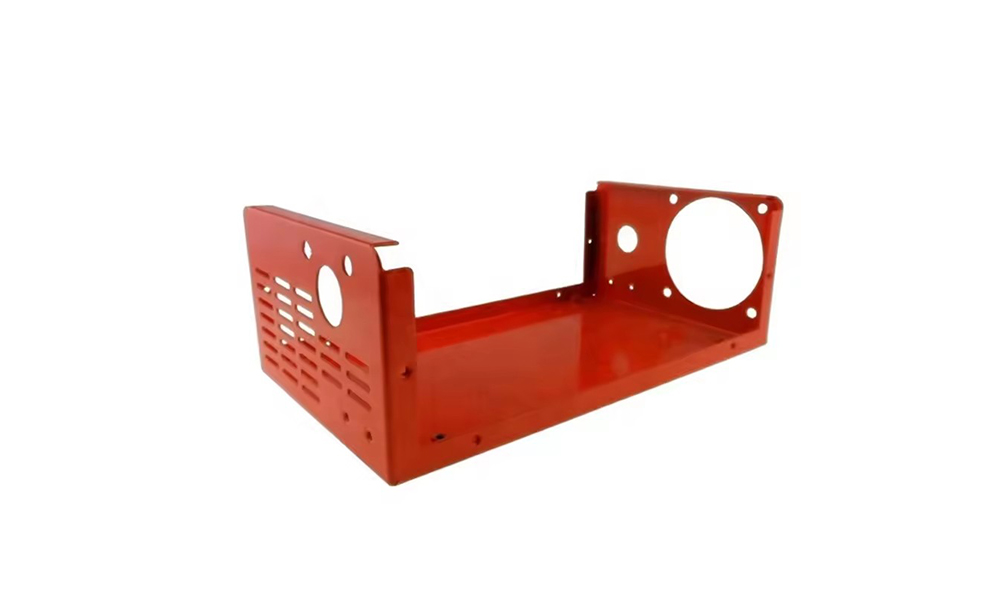
Laser cutting and bending refers to a manufacturing process in which flat metal sheets are first cut into precise shapes using laser technology and then formed into three-dimensional parts through CNC bending or press brake operations. Laser cutting ensures clean edges and accurate profiles, while bending transforms the cut parts into functional components with precise angles and dimensions.
This combination is widely used in sheet metal fabrication for both prototype development and mass production.
Laser Cutting and Bending Process
The integrated process typically includes the following steps:
1. Design and Engineering
Parts are designed using CAD software, with bending allowances and tolerances carefully calculated.
2. Laser Cutting
CNC laser cutting machines cut metal sheets according to programmed designs. This process delivers high precision, minimal material waste, and smooth edges.
3. Deburring and Inspection
Cut parts may undergo deburring or edge finishing to ensure safety and surface quality.
4. CNC Bending
CNC press brakes or automatic bending machines form the parts into the required shapes with precise angles and repeatability.
5. Secondary Processing
Welding, tapping, surface finishing, or assembly may follow, depending on application requirements.
6. Final Inspection and Packaging
Dimensional checks ensure conformity before delivery.
This streamlined workflow enhances efficiency and product consistency.
Types of Laser Cutting and Bending
Laser cutting and bending services can be classified based on materials, complexity, and production scale:
2D Laser Cutting and Bending – Flat sheet cutting followed by standard bending
Precision Laser Cutting and CNC Bending – Tight tolerances and complex geometries
Prototype and Small-Batch Fabrication – Fast turnaround for development projects
High-Volume Production – Automated cutting and bending for mass manufacturing
Custom Laser Cutting and Bending – Tailored solutions for unique designs
Thick and Thin Sheet Processing – Covers a wide range of material thicknesses
Each type addresses specific manufacturing needs.
Laser Cutting and Bending Services
Professional service providers typically offer:
CAD/CAM engineering support
Fiber or CO₂ laser cutting for various metals
CNC press brake bending and forming
Material selection assistance
Secondary operations such as welding and finishing
Prototype to mass production capabilities
Quality inspection and documentation
One-stop laser cutting and bending services help reduce coordination costs and production lead times.
Advantages of Laser Cutting and Bending
This combined fabrication method offers numerous benefits:
High dimensional accuracy and repeatability
Clean edges with minimal post-processing
Efficient material utilization and reduced waste
Fast production cycles
Flexibility for complex and custom designs
Cost-effectiveness for both low and high volumes
Compatibility with automation and smart manufacturing
These advantages make laser cutting and bending a preferred choice in modern metal fabrication.
Applications of Laser Cutting and Bending
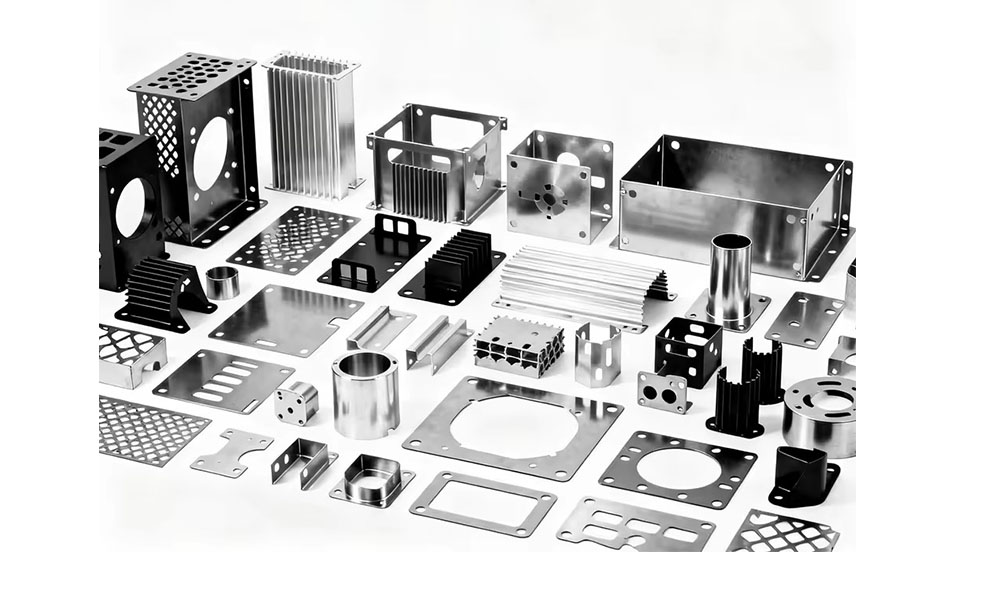
Laser cutting and bending is widely applied across industries such as:
Automotive – brackets, frames, structural components
Electronics – enclosures, cabinets, chassis
Industrial machinery – guards, housings, panels
Construction and architecture – metal panels, supports, decorative elements
Energy and electrical – control boxes, mounting brackets
Medical and laboratory equipment – precision housings
Furniture and consumer products – metal frames and customized parts
Its versatility supports both functional and aesthetic requirements.
Conclusion
As manufacturers seek faster production, higher precision, and greater design flexibility, laser cutting and bending continues to gain importance as a core fabrication solution. By combining accurate laser cutting with reliable CNC bending, this integrated process delivers high-quality metal components with efficiency and consistency. Choosing an experienced laser cutting and bending service provider ensures optimized designs, reliable production, and long-term value for any fabrication project.
