

Precision Metal Fabrication: Delivering Accuracy and Reliability in Advanced Manufacturing
As manufacturing industries continue to evolve toward higher quality and tighter tolerances, precision metal fabrication has become an essential solution for producing complex, high-performance metal components. From critical industrial parts to sophisticated enclosures and assemblies, precision metal fabrication combines advanced technology, engineering expertise, and strict quality control to meet demanding specifications. This blog explores what precision metal fabrication is, how it works, its main processes, service scope, advantages, and industrial applications.

What Is Precision Metal Fabrication?
Precision metal fabrication refers to the process of manufacturing metal parts and assemblies with extremely tight tolerances, high dimensional accuracy, and consistent quality. Unlike standard fabrication, precision fabrication focuses on detailed engineering, controlled processes, and advanced equipment to ensure every component meets exact design requirements.
This manufacturing method is commonly applied to stainless steel, aluminum, carbon steel, copper, brass, and other specialty alloys, supporting both prototype development and large-scale production.
Precision Metal Fabrication Process
The precision metal fabrication workflow involves multiple carefully controlled steps:
1. Design and Engineering
CAD and CAM software are used to optimize part design, tolerances, and manufacturability before production begins.
2. Cutting and Machining
Laser cutting, CNC punching, water jet cutting, and CNC machining are employed to achieve high-accuracy profiles and features.
3. Forming and Bending
CNC press brakes and forming equipment shape metal sheets with precise angles and repeatability.
4. Welding and Assembly
TIG, MIG, laser welding, and robotic welding ensure strong joints while maintaining dimensional accuracy.
5. Surface Finishing
Processes such as polishing, powder coating, anodizing, electroplating, and electrophoresis enhance surface quality and performance.
6. Inspection and Quality Control
Dimensional inspection, surface measurement, and functional testing verify compliance with specifications.
Each stage is integrated to maintain precision from raw material to final product.
Types of Precision Metal Fabrication
Precision metal fabrication can be classified by production method and application:
Precision Sheet Metal Fabrication – Thin-gauge components with tight tolerances
CNC Machined Fabrication – High-accuracy parts requiring milling or turning
Welded Precision Assemblies – Complex structures requiring strict dimensional control
Prototype and Low-Volume Fabrication – Design validation and product development
High-Volume Precision Production – Consistent, repeatable manufacturing for mass production
Custom Precision Fabrication – Specialized parts designed for unique applications
Each type serves different functional and performance requirements.
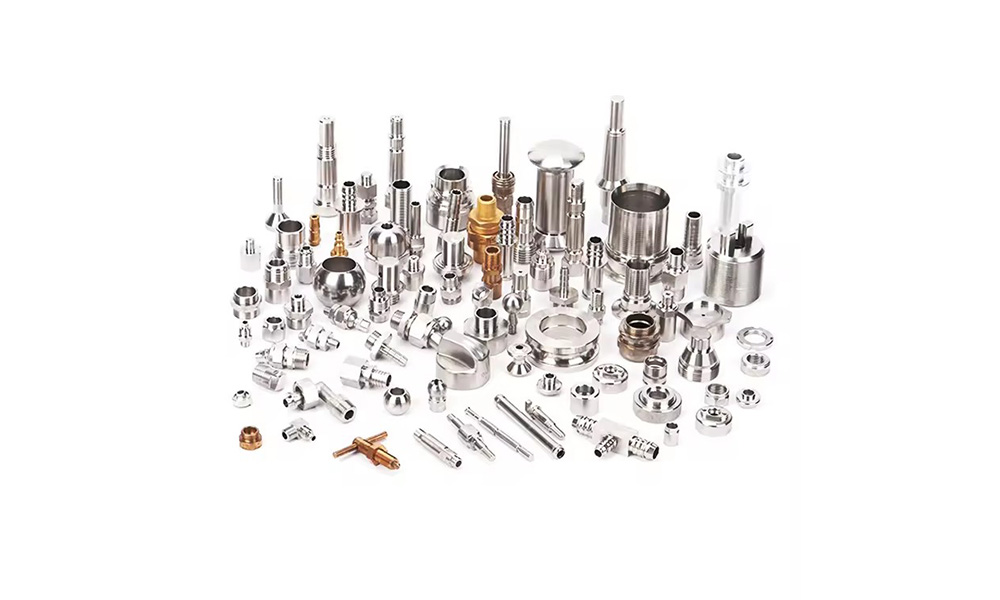
Precision Metal Fabrication Services
Professional fabrication providers typically offer comprehensive services, including:
Engineering and design support
CNC laser cutting and machining
CNC bending and forming
Precision welding and assembly
Surface finishing and coating
Prototype development and scaling to mass production
Dimensional inspection and quality assurance
One-stop manufacturing solutions
These services streamline production and reduce lead times while ensuring high-quality output.
Advantages of Precision Metal Fabrication
Precision metal fabrication offers several key advantages:
Exceptional dimensional accuracy
Consistent quality and repeatability
Ability to handle complex designs
Wide material and thickness range
Reduced material waste
Improved product performance and reliability
Cost efficiency over the product lifecycle
These benefits make precision fabrication ideal for demanding industrial environments.
Applications of Precision Metal Fabrication
Precision metal fabrication is widely used across industries such as:
Automotive – structural components, brackets, housings
Aerospace – lightweight, high-strength parts
Electronics – enclosures, chassis, heat management components
Medical devices – precision housings and instrument components
Industrial machinery – high-accuracy frames and functional parts
Energy and electrical – control cabinets, mounting systems
Telecommunications – racks and structural components
In each application, precision fabrication ensures performance, safety, and durability.
Conclusion
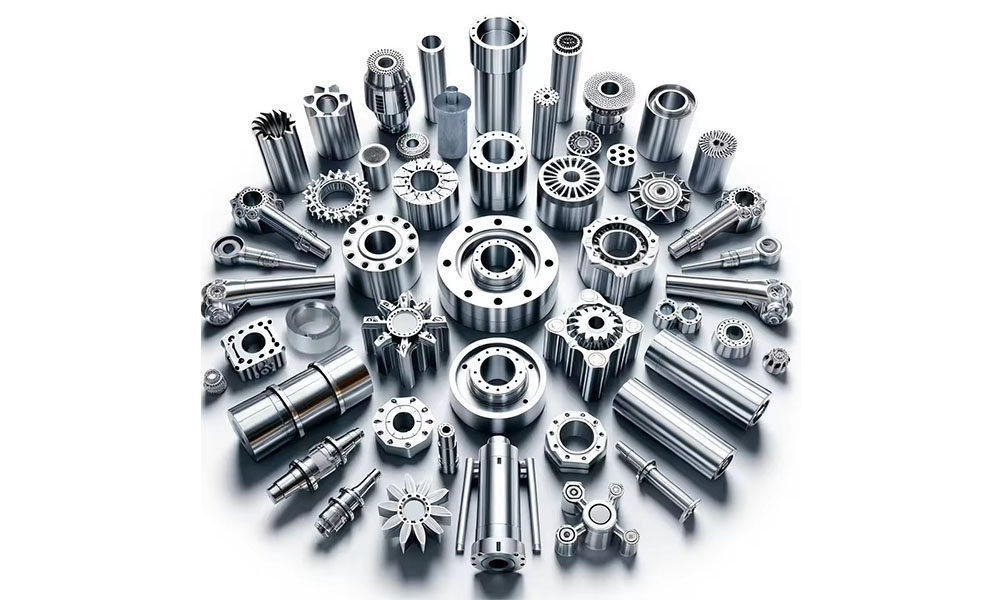
As product requirements become more complex and performance-driven, precision metal fabrication continues to play a critical role in modern manufacturing. By combining advanced equipment, skilled engineering, and rigorous quality control, precision fabrication delivers reliable, high-quality metal components tailored to exact specifications. Partnering with an experienced precision metal fabrication provider helps manufacturers achieve efficiency, consistency, and long-term success.
