

Stainless Steel vs Aluminum: Which Material Should You Choose?
Selecting the right material is one of the most important decisions in any manufacturing project. Among the most commonly used metals in modern industry, stainless steel and aluminum stand out for their versatility, durability, and wide range of applications. Both materials offer unique advantages, but choosing the right one depends on factors such as strength, weight, corrosion resistance, cost, and intended use.
So, when should you choose stainless steel, and when is aluminum the better option? Let's compare these two popular materials to help you make an informed decision.
Understanding Stainless Steel and Aluminum
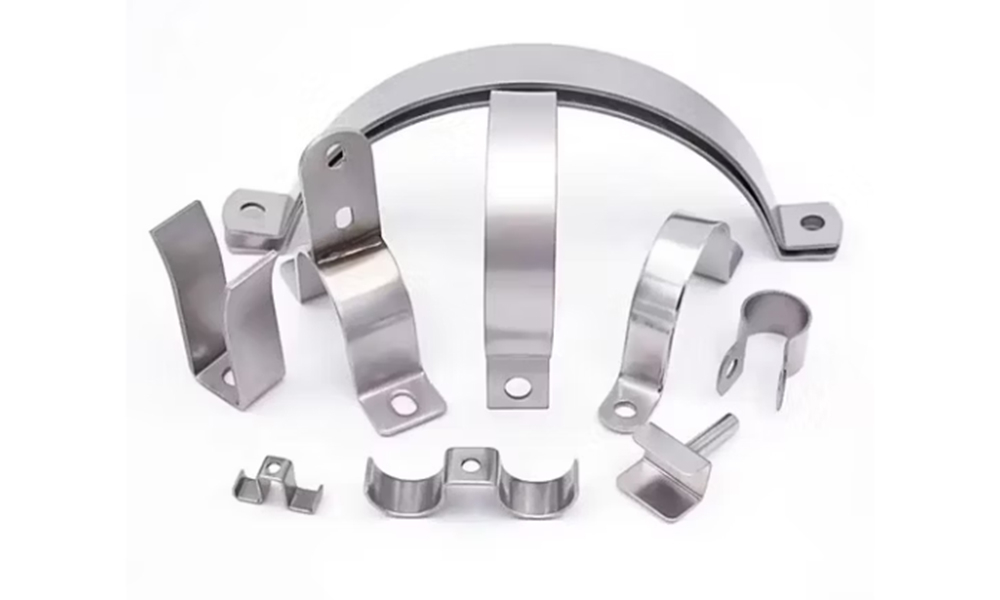
Stainless steel is an iron-based alloy containing chromium, which provides excellent corrosion resistance and durability. It is widely used in construction, food processing equipment, medical devices, automotive parts, and industrial machinery.
Aluminum, on the other hand, is a lightweight, non-ferrous metal known for its excellent strength-to-weight ratio and natural corrosion resistance. It is commonly found in aerospace components, consumer electronics, transportation equipment, and architectural applications.
While both materials are highly useful, their properties differ significantly.
Strength and Durability
When strength is the primary concern, stainless steel often has the advantage. Stainless steel offers higher tensile strength and better resistance to wear, impact, and heavy loads. This makes it ideal for structural components, industrial equipment, and applications exposed to harsh operating conditions.
Aluminum is generally less strong than stainless steel, but modern aluminum alloys can still provide impressive mechanical performance. For many applications, aluminum offers sufficient strength while significantly reducing overall weight.
Best choice: Stainless steel for maximum strength and durability.
Weight Considerations
One of aluminum's greatest advantages is its low density. Aluminum weighs approximately one-third as much as stainless steel, making it an excellent choice for projects where weight reduction is critical.
Industries such as aerospace, automotive, and transportation often prioritize lightweight materials to improve fuel efficiency, reduce energy consumption, and enhance performance.
Although stainless steel provides superior strength, its heavier weight can be a disadvantage in weight-sensitive applications.
Best choice: Aluminum for lightweight designs.
Corrosion Resistance
Both materials offer excellent corrosion resistance, but they achieve it in different ways.
Stainless steel contains chromium, which forms a protective oxide layer that prevents rust and corrosion. Certain grades, such as 304 and 316 stainless steel, perform exceptionally well in humid, marine, and chemically aggressive environments.
Aluminum naturally develops a thin oxide layer that protects its surface from corrosion. While highly resistant in many environments, aluminum may be more vulnerable to certain chemicals, saltwater exposure, and galvanic corrosion when in contact with other metals.
Best choice: Stainless steel for harsh and highly corrosive environments.
Machinability and Fabrication
Aluminum is generally easier to machine than stainless steel. Its softness allows for faster cutting speeds, reduced tool wear, and shorter production times. This often translates into lower manufacturing costs.
Stainless steel is more challenging to machine due to its hardness and work-hardening characteristics. It typically requires specialized tooling, slower machining speeds, and greater process control.
However, stainless steel often performs better in applications requiring high structural integrity and long-term durability.
Best choice: Aluminum for easier machining and faster production.
Cost Comparison
Material cost is another important consideration.
In many cases, aluminum has a lower overall manufacturing cost because it is easier to process and requires less machining time. Lower transportation costs due to reduced weight can also contribute to long-term savings.
Stainless steel may have a higher initial cost, particularly for premium grades. However, its durability, strength, and long service life can make it more cost-effective over the lifespan of a product.
Best choice: Aluminum for lower production costs; stainless steel for long-term value in demanding applications.
Appearance and Surface Finish
Both materials can provide attractive finishes, but they offer different aesthetics.
Stainless steel is known for its sleek, polished appearance and premium look. It is frequently used in architectural projects, kitchen equipment, and consumer products where visual appeal is important.
Aluminum offers a modern appearance and can be anodized in various colors, making it popular for decorative and consumer-facing applications.
Best choice: Depends on design requirements and desired appearance.
Common Applications
Stainless Steel Applications
Food processing equipment
Medical devices
Industrial machinery
Marine hardware
Structural components
Chemical processing systems
Aluminum Applications
Aerospace components
Automotive parts
Electronic enclosures
Consumer electronics
Transportation equipment
Architectural panels
Conclusion
There is no universal answer when choosing between stainless steel and aluminum. The right material depends on your project's specific requirements.
If your priority is strength, durability, and superior corrosion resistance, stainless steel is often the best choice. If lightweight performance, easier machining, and cost efficiency are more important, aluminum may be the ideal solution.
By carefully evaluating factors such as mechanical performance, environmental conditions, manufacturing requirements, and budget, manufacturers can select the material that delivers the best balance of performance and value. Ultimately, understanding the strengths and limitations of both stainless steel and aluminum is the key to achieving successful product design and long-term reliability.
