

The Complete Guide to Laser Cutting Services
In today's manufacturing industry, precision, speed, and efficiency are essential for producing high-quality components. Among the various fabrication technologies available, laser cutting has become one of the most popular and reliable methods for processing metals, plastics, and other materials. Whether you are developing prototypes, manufacturing custom parts, or producing large-scale industrial components, laser cutting services offer a versatile and cost-effective solution.
What Is Laser Cutting?
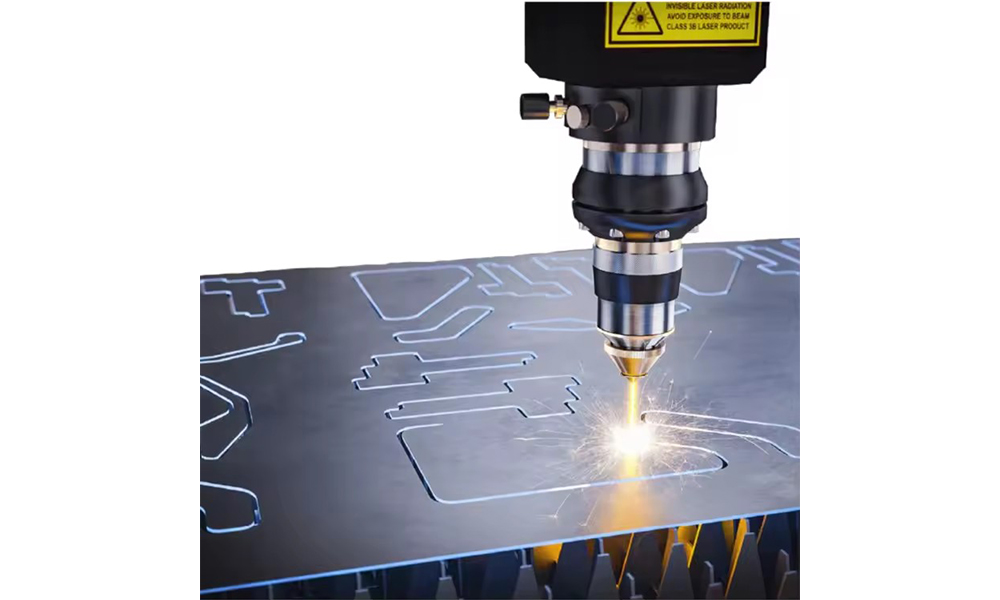
Laser cutting is a manufacturing process that uses a highly focused laser beam to cut, engrave, or shape materials with exceptional accuracy. The laser generates intense heat that melts, burns, or vaporizes the material, while a stream of gas removes the molten residue from the cutting area. This process creates clean edges and precise cuts with minimal material waste.
Modern laser cutting machines are controlled by advanced computer software, allowing manufacturers to produce complex designs and intricate patterns that would be difficult or impossible to achieve using traditional cutting methods.
Benefits of Laser Cutting Services
1. High Precision and Accuracy
One of the primary advantages of laser cutting is its outstanding precision. Laser systems can produce highly detailed cuts with tight tolerances, making them ideal for industries that require exact specifications, such as aerospace, automotive, electronics, and medical device manufacturing.
2. Fast Production Speed
Laser cutting machines operate at high speeds, significantly reducing production time compared to conventional cutting techniques. This efficiency helps businesses meet tight deadlines while maintaining consistent quality.
3. Clean and Smooth Edges
Because the laser beam is highly concentrated, the cutting process creates smooth, burr-free edges that often require little to no secondary finishing. This reduces labor costs and improves overall production efficiency.
4. Material Versatility
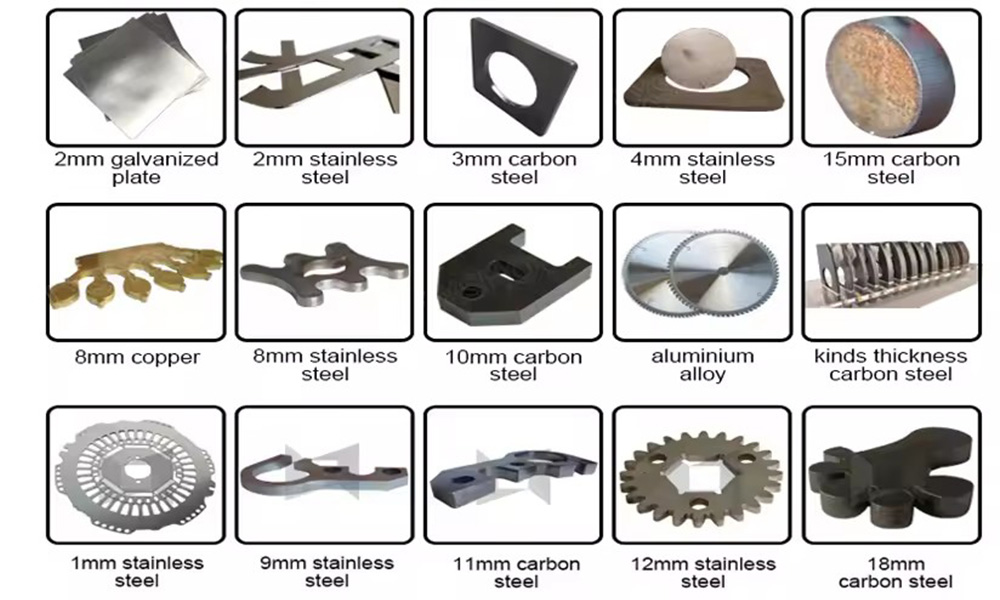
Laser cutting can process a wide range of materials, including:
Stainless steel
Carbon steel
Aluminum
Copper
Brass
Acrylic
Wood
Plastics
This versatility makes laser cutting suitable for numerous industries and applications.
5. Cost-Effective Manufacturing
The combination of high precision, minimal waste, and reduced finishing requirements helps lower production costs. Laser cutting is especially economical for both prototype development and medium-to-high-volume production runs.
Common Applications of Laser Cutting
Laser cutting services are widely used across many industries. Some common applications include:
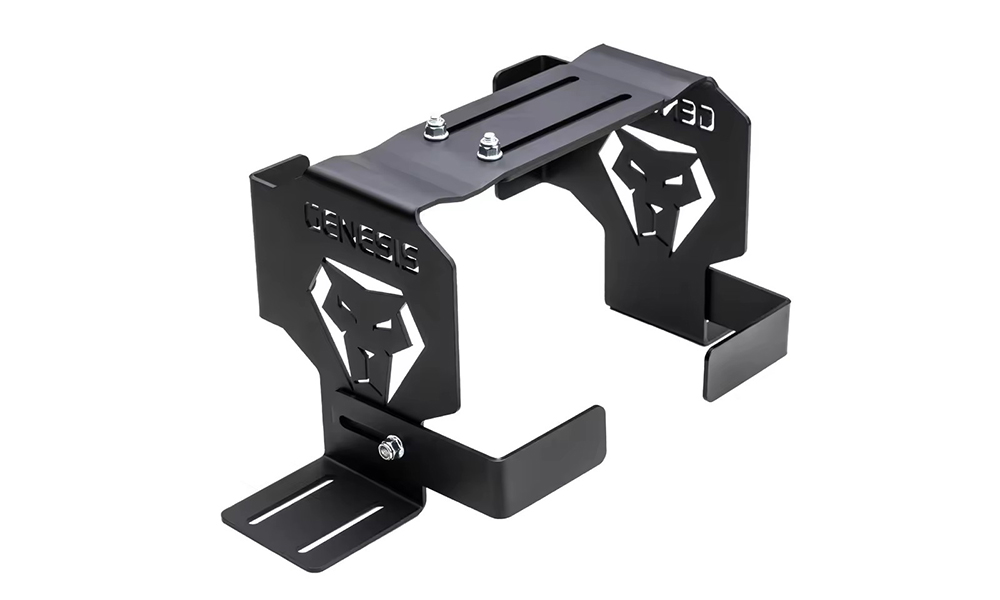
Sheet metal fabrication
Automotive components
Architectural panels
Industrial machinery parts
Electronic enclosures
Signage and decorative products
Medical equipment components
Custom prototypes and product development
The ability to create complex geometries with consistent quality makes laser cutting an essential technology for modern manufacturing.
Types of Laser Cutting Technologies
Fiber Laser Cutting
Fiber lasers are known for their high energy efficiency, fast cutting speeds, and excellent performance on reflective metals such as aluminum, brass, and copper. They have become the preferred choice for many metal fabrication projects.
CO₂ Laser Cutting
CO₂ lasers are commonly used for cutting non-metallic materials such as wood, acrylic, rubber, and plastics. They also perform well on certain metal applications.
Nd:YAG Laser Cutting
This technology is often used for specialized industrial applications requiring deep penetration and high power output.
How to Choose a Laser Cutting Service Provider
Selecting the right laser cutting partner is critical to achieving the best results. Consider the following factors:
Experience and Expertise
Choose a provider with extensive industry experience and a proven track record of delivering high-quality projects.
Equipment Capabilities
Modern laser cutting equipment offers greater precision, faster production, and the ability to process a wider range of materials and thicknesses.
Quality Control
A reliable service provider should maintain strict quality assurance procedures to ensure consistent results throughout the manufacturing process.
Customization Options
Look for a company that can accommodate custom designs, prototypes, and specialized production requirements.
Lead Time and Customer Support
Fast turnaround times and responsive customer service are essential for keeping projects on schedule and addressing any technical questions.
The Future of Laser Cutting
As manufacturing technology continues to evolve, laser cutting systems are becoming more intelligent, automated, and efficient. Advanced software integration, AI-driven optimization, and automation technologies are helping manufacturers achieve even higher productivity and accuracy. These innovations will continue to expand the capabilities of laser cutting and make it an increasingly valuable solution for businesses worldwide.
Conclusion
Laser cutting services provide a powerful combination of precision, speed, flexibility, and cost efficiency. From custom prototypes to large-scale production, laser cutting enables manufacturers to create high-quality components with exceptional accuracy and consistency. By partnering with an experienced laser cutting service provider, businesses can improve product quality, reduce production costs, and stay competitive in today's rapidly evolving manufacturing landscape.
