

The Expanding Applications of 2D and 3D Laser Cutting Across Industries
Laser cutting technology has evolved from a niche manufacturing tool into a cornerstone of modern production. Both 2D and 3D laser cutting systems offer unmatched precision, efficiency, and flexibility, making them indispensable across a wide range of industries. As digital manufacturing continues to advance, the role of laser cutting is becoming even more significant.
Understanding 2D vs. 3D Laser Cutting
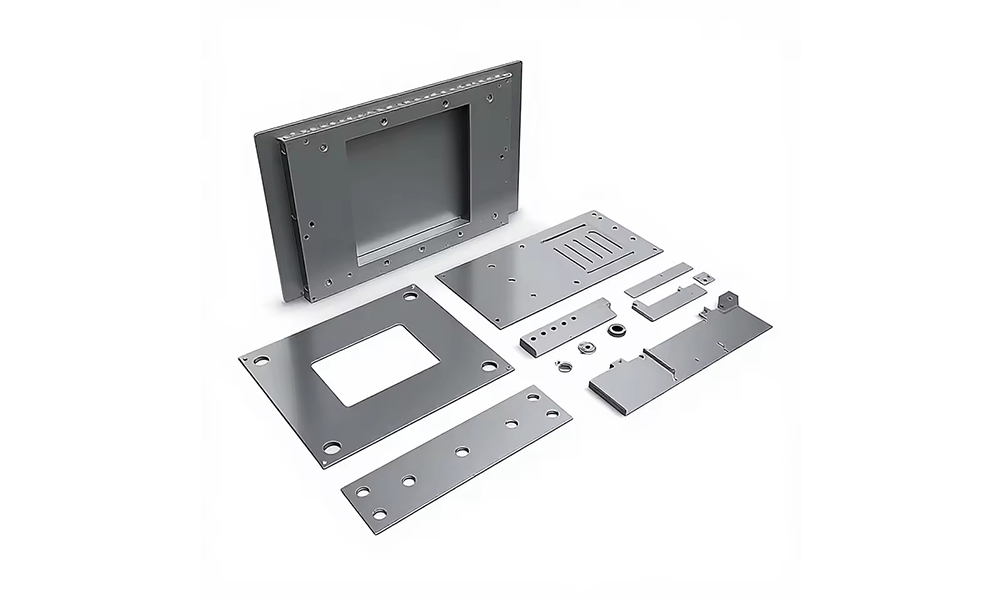
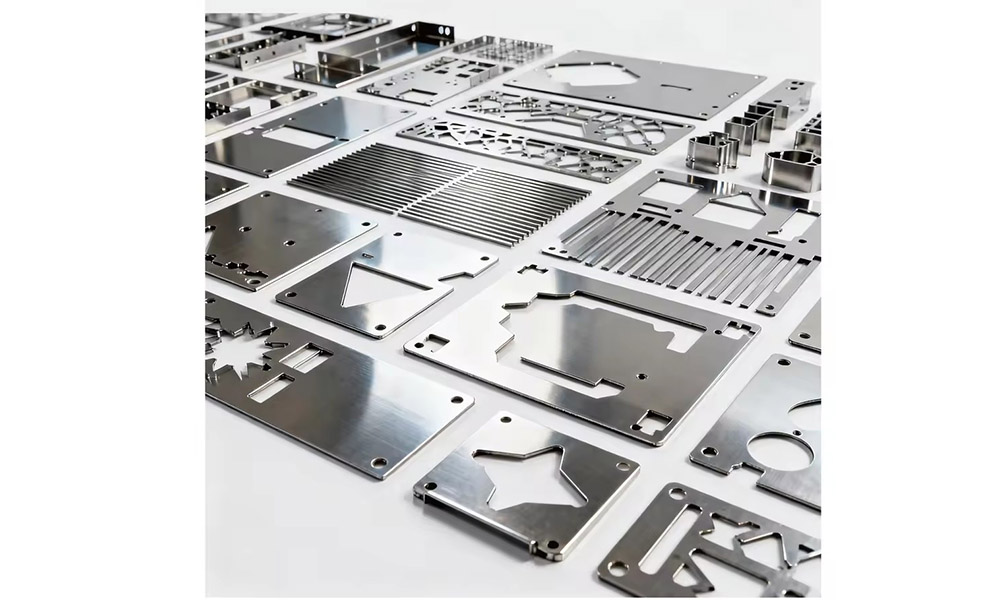
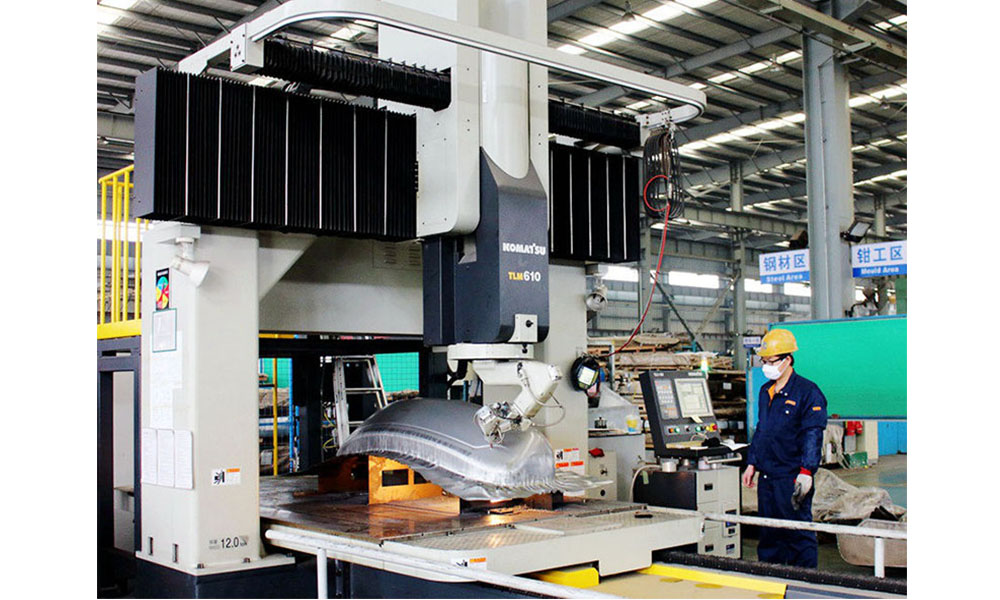
2D laser cutting is primarily used for processing flat sheet materials such as metal, plastic, wood, and textiles. It excels in producing intricate patterns, clean edges, and high repeatability. In contrast, 3D laser cutting extends these capabilities into three-dimensional space, allowing for the cutting of complex geometries, tubes, formed parts, and curved surfaces.
While 2D systems are widely used in mass production due to their speed and cost-effectiveness, 3D laser cutting systems are essential for industries requiring high customization and complex part designs.
Applications in the Automotive Industry
The automotive sector is one of the largest adopters of laser cutting technology. 2D laser cutting is commonly used for sheet metal components such as body panels, brackets, and structural parts. Its precision ensures tight tolerances and high-quality finishes.
3D laser cutting, on the other hand, is crucial for trimming hydroformed parts, cutting complex chassis components, and modifying prototypes. It enables manufacturers to reduce tooling costs and accelerate product development cycles, which is vital in a highly competitive market.
Aerospace and Defense
In aerospace, precision and reliability are non-negotiable. Laser cutting is used to process lightweight materials like titanium and aluminum alloys. 2D laser cutting handles flat components, while 3D systems are used for intricate parts such as turbine components and structural assemblies.
The ability to cut complex shapes without inducing mechanical stress makes laser cutting particularly valuable in maintaining material integrity, which is critical for safety and performance.
Electronics and Microfabrication
The electronics industry benefits greatly from the fine precision of laser cutting. 2D laser systems are used to cut circuit boards, semiconductors, and delicate components with micron-level accuracy.
3D laser cutting is increasingly being used in advanced applications such as microelectromechanical systems (MEMS) and compact device enclosures. The non-contact nature of the process minimizes damage to sensitive materials.
Medical Device Manufacturing
Laser cutting plays a vital role in producing medical devices such as stents, surgical instruments, and implants. 2D laser cutting is used for flat components, while 3D laser cutting enables the creation of complex, customized geometries tailored to individual patients.
The technology supports high precision, cleanliness, and repeatability, all of which are essential in medical applications where quality standards are extremely strict.
Architecture and Interior Design
In creative industries, laser cutting has opened new possibilities. Designers use 2D laser cutting for decorative panels, signage, and artistic installations. Materials like acrylic, wood, and metal can be cut into intricate patterns with ease.
3D laser cutting allows for the fabrication of complex structural elements and customized designs that were previously difficult or impossible to achieve. This has transformed how architects and designers approach both aesthetics and functionality.
Energy and Industrial Equipment
In the energy sector, laser cutting is used to manufacture components for wind turbines, solar panels, and oil and gas equipment. 3D laser cutting is particularly useful for processing large, complex parts such as pipes and heavy machinery components.
Its efficiency reduces material waste and improves production speed, contributing to more sustainable manufacturing practices.
Conclusion
The versatility of 2D and 3D laser cutting technologies continues to drive innovation across industries. From mass production to highly customized solutions, these tools offer precision, efficiency, and adaptability that traditional methods struggle to match. As automation and digital integration advance, laser cutting will remain a key enabler of modern manufacturing, shaping the future of how products are designed and produced.
