

Welding Services: Building Strength and Reliability in Modern Manufacturing
Welding services play a critical role in modern manufacturing, construction, and industrial production. As one of the most essential metal joining processes, welding allows individual metal components to be permanently fused into strong, reliable structures. From simple assemblies to complex industrial systems, professional welding services ensure durability, precision, and long-term performance across a wide range of applications.
What Are Welding Services?
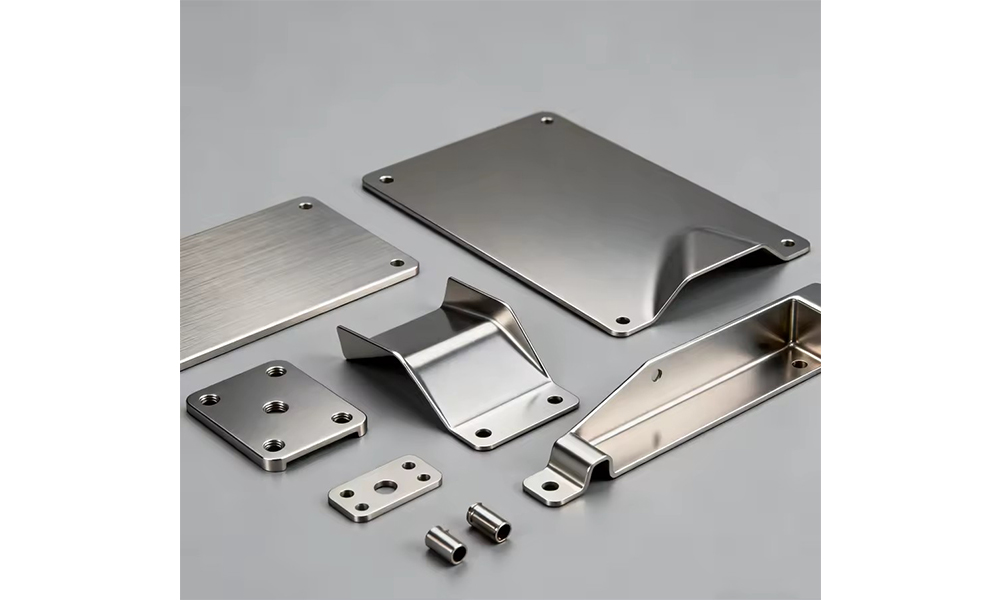
Welding services refer to professional manufacturing processes that join metal parts by applying heat, pressure, or a combination of both. The goal is to create a permanent bond that is often as strong as, or stronger than, the base material itself. Welding is widely used in metal fabrication to assemble frames, enclosures, pipes, brackets, and structural components.
Modern welding services go beyond basic joining—they involve process selection, material compatibility analysis, and quality control to meet specific engineering and application requirements.
Common Welding Processes
There are several welding methods used in industrial applications, each suited to different materials and performance needs. MIG welding is widely used for its efficiency and suitability for mass production. TIG welding offers high precision and clean welds, making it ideal for thin materials and visually demanding parts. Spot welding is commonly used in sheet metal fabrication, especially in automotive and appliance industries. Other specialized methods are applied for heavy structures or high-strength applications.
Choosing the right welding process is essential for achieving optimal strength, appearance, and cost efficiency.
Materials and Welding Compatibility
Professional welding services support a wide range of materials, including carbon steel, stainless steel, aluminum, and various metal alloys. Each material responds differently to heat and requires specific welding techniques to avoid defects such as cracking, warping, or weak joints.
Proper material preparation, parameter control, and post-weld treatment ensure strong, consistent results and long service life.
Quality Control and Precision
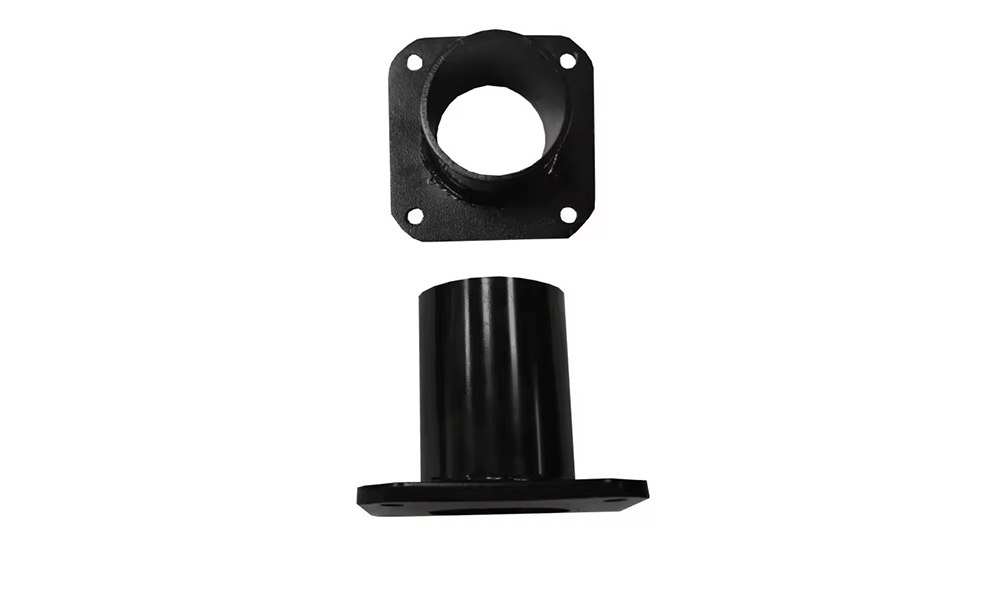
Quality is a key factor in welding services. Accurate weld positioning, consistent penetration, and controlled heat input are essential to maintaining structural integrity. Professional welding providers implement inspection procedures such as visual checks, dimensional verification, and strength testing to ensure every weld meets design and safety requirements.
High-quality welding reduces rework, improves assembly accuracy, and enhances overall product reliability.
Applications Across Industries
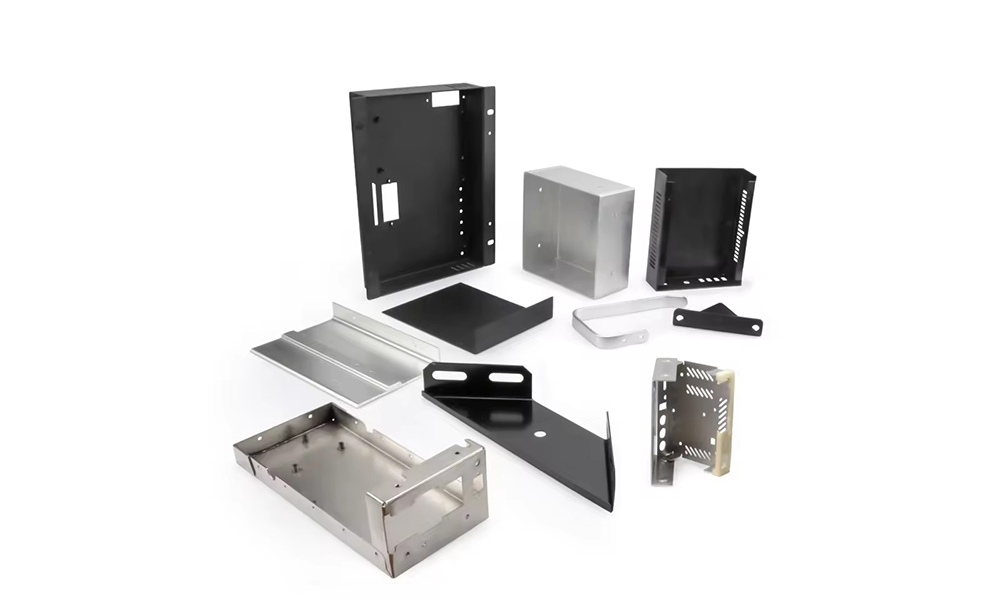
Welding services are used across many industries, including automotive, industrial machinery, construction, energy, electronics, and metal furniture manufacturing. Welded components are found in frames, supports, enclosures, pipelines, and custom metal assemblies.
The versatility of welding makes it an indispensable process in both heavy-duty industrial applications and precision metal fabrication.
The Value of Professional Welding Services
Professional welding services offer more than just metal joining. They provide engineering support, process optimization, and consistent quality that help businesses reduce production risks and control costs. By outsourcing welding to experienced providers, manufacturers can focus on design, innovation, and market expansion.
Conclusion
Welding services remain a cornerstone of modern metal fabrication. With the right processes, materials, and quality control, welding delivers strong, reliable, and cost-effective solutions for a wide range of industries. As manufacturing continues to evolve, professional welding services will continue to support innovation, efficiency, and long-term product performance.
