

Metal Work: The Foundation of Modern Manufacturing and Industrial Innovation
Metal work, also known as metalworking, is one of the oldest and most essential manufacturing practices in human history. From basic tools and structures to advanced industrial components, metal work continues to play a critical role in shaping modern industries. With the integration of advanced machinery, digital design, and precision control, today’s metal work has evolved into a highly efficient and sophisticated manufacturing discipline. This blog explores what metal work is, how it is performed, its main process categories, service offerings, advantages, and diverse applications.
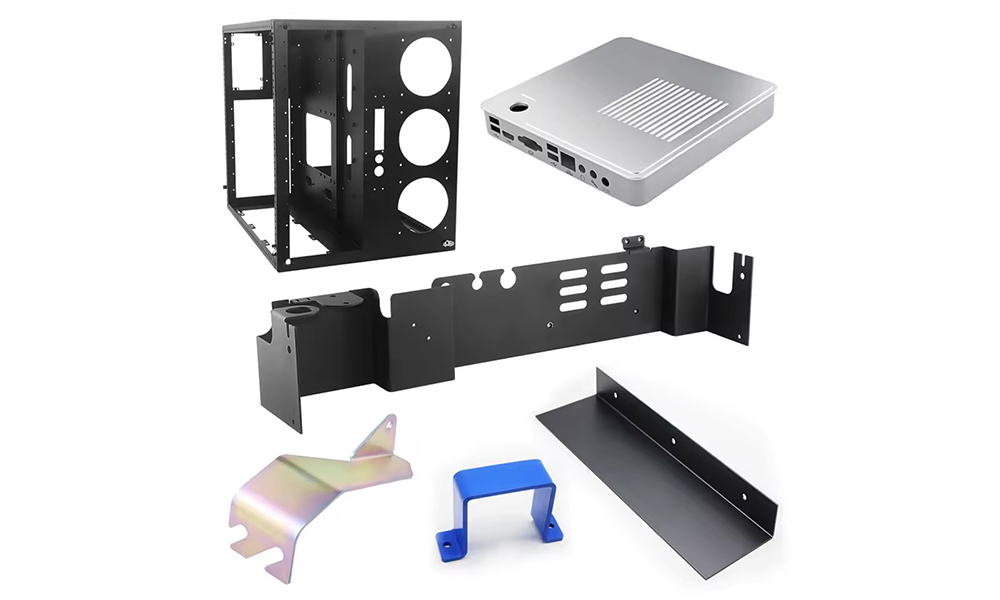
Metal work refers to the process of shaping, cutting, forming, joining, and finishing metal materials to produce functional parts, components, or structures. It involves working with metals such as steel, stainless steel, aluminum, copper, brass, and various alloys. Metal work can range from simple manual operations to highly automated, CNC-controlled processes, supporting both custom fabrication and mass production.
Metal work is fundamental to industries that require strength, durability, precision, and long-term reliability.
Metal Work Processes
Modern metal work consists of several core processes, often combined in a single production workflow:
1. Cutting
Metals are cut into desired shapes using laser cutting, plasma cutting, water jet cutting, sawing, or shearing.
2. Forming and Bending
Sheet metal is shaped through press braking, rolling, stamping, and deep drawing to create three-dimensional forms.
3. Machining
CNC milling, turning, drilling, and tapping produce precise features and tight tolerances.
4. Joining and Assembly
Welding, riveting, bolting, brazing, and soldering are used to assemble components.
5. Surface Finishing
Polishing, grinding, painting, powder coating, electroplating, and anodizing improve surface quality and performance.
6. Inspection and Quality Control
Dimensional and functional checks ensure compliance with specifications.
These processes can be customized based on material type, design complexity, and production volume.
Types of Metal Work
Metal work can be classified into several categories:
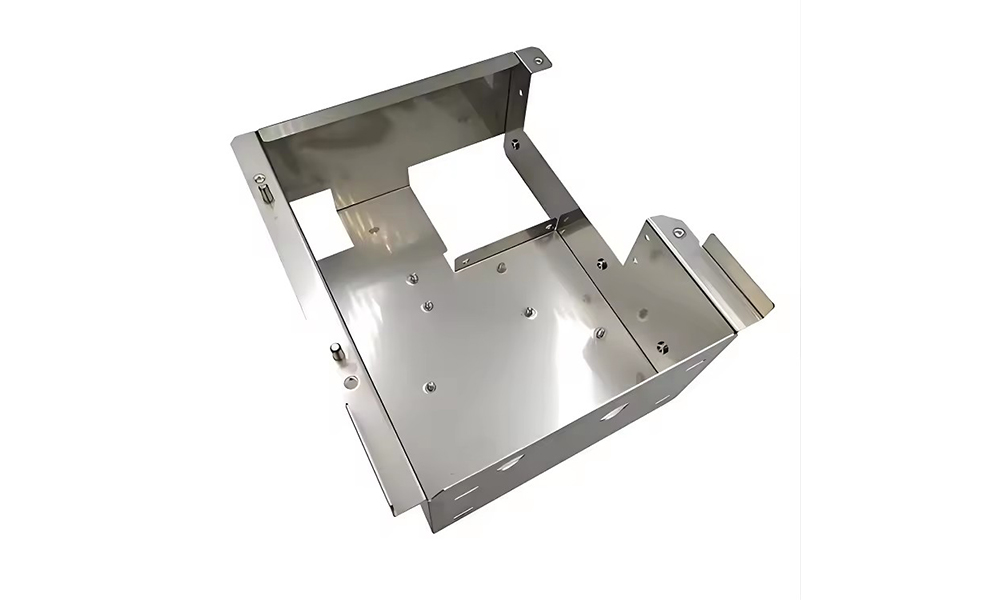
Sheet Metal Work – Cutting, bending, and forming thin metal sheets
Machined Metal Work – Precision CNC machining for complex parts
Structural Metal Work – Frames, supports, and load-bearing components
Custom Metal Fabrication – Specialized parts designed to customer specifications
Precision Metal Work – High-tolerance components for demanding applications
Artistic and Decorative Metal Work – Aesthetic and architectural elements
Each type serves different functional and design requirements.
Metal Work Services
Professional metal work service providers typically offer:
Engineering and CAD design support
Laser cutting, CNC machining, and forming
Welding and assembly services
Surface treatment and finishing
Prototype development and mass production
Material selection and optimization
Quality inspection and documentation
One-stop manufacturing solutions
Integrated services help streamline production and reduce lead times.
Advantages of Metal Work
Metal work offers numerous advantages:
High strength and durability
Excellent dimensional accuracy
Wide material and thickness range
Design flexibility and customization
Scalability from prototypes to mass production
Long product service life
Compatibility with automation and advanced manufacturing
These benefits make metal work indispensable across industries.
Applications of Metal Work
Metal work is used in a wide range of applications:
Automotive – frames, brackets, structural components
Industrial machinery – housings, shafts, equipment parts
Construction and architecture – beams, panels, railings
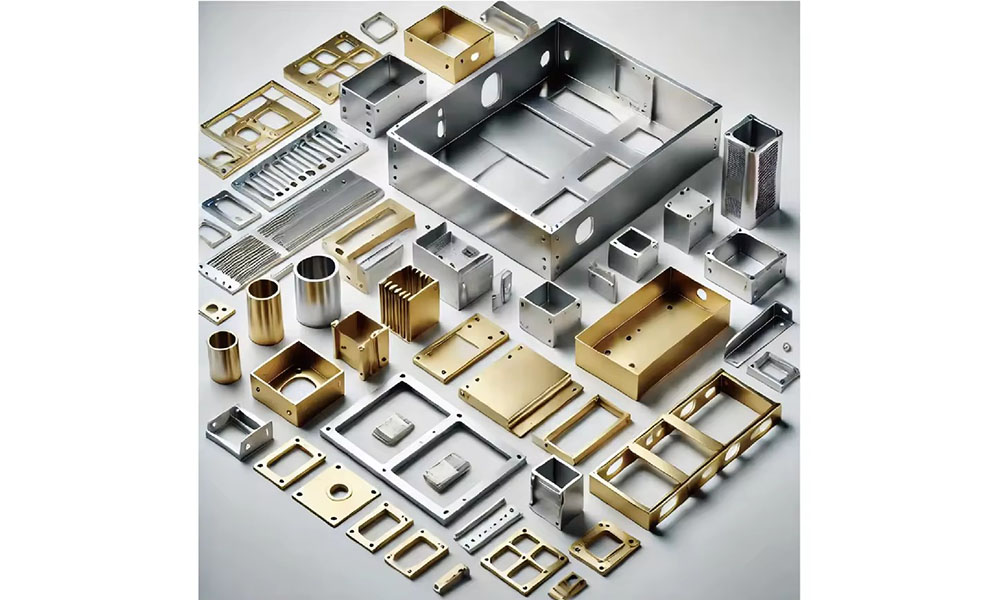
Electronics – enclosures, mounts, heat sinks
Energy and power – supports, cabinets, mounting systems
Medical equipment – precision components and housings
Consumer products – appliances, furniture, hardware
From heavy-duty structures to precision components, metal work supports modern production and innovation.
As industries continue to demand higher quality, efficiency, and customization, metal work remains the foundation of modern manufacturing. By combining advanced equipment, skilled craftsmanship, and integrated services, metal work delivers reliable, high-performance solutions for a wide range of applications. Partnering with an experienced metal work provider ensures precision, consistency, and long-term value for any project.
