

Lead Time Management for Custom Metal Parts
In the manufacturing industry, lead time is one of the most important factors affecting customer satisfaction, production efficiency, and overall project success. When it comes to custom metal parts, effective lead time management becomes even more critical because every project often involves unique designs, specialized materials, and precise production requirements.
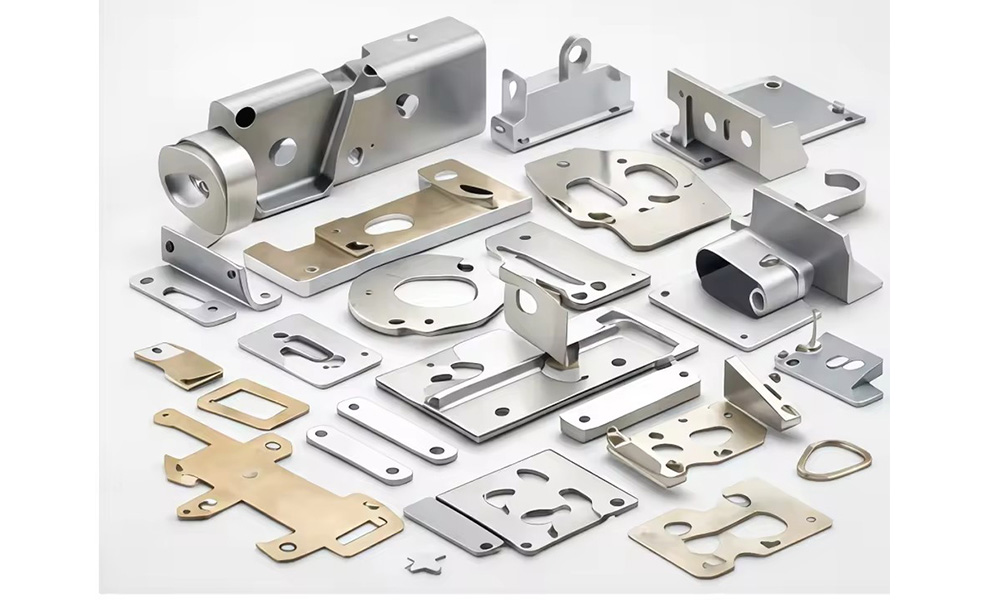
At our company, we understand that customers rely on timely delivery to maintain their own production schedules and business operations. That is why we have developed a structured approach to lead time management that combines planning, communication, and manufacturing expertise.
The first step in managing lead time effectively is understanding the project requirements clearly from the beginning. Custom metal parts are rarely standard products. Dimensions, tolerances, material specifications, surface treatments, and assembly requirements can vary significantly between projects. Our engineering and sales teams work closely with customers during the quotation stage to confirm all technical details before production starts. This early coordination helps avoid misunderstandings, design revisions, and unnecessary delays later in the process.
Material preparation is another key factor that influences delivery schedules. Different metal materials often have different sourcing timelines. Common materials such as stainless steel, aluminum, and carbon steel are usually easier to obtain, while specialty alloys may require longer procurement periods. To reduce waiting times, we maintain strong relationships with reliable suppliers and monitor inventory carefully. For frequently used materials, we also prepare safety stock to support urgent orders and recurring production needs.
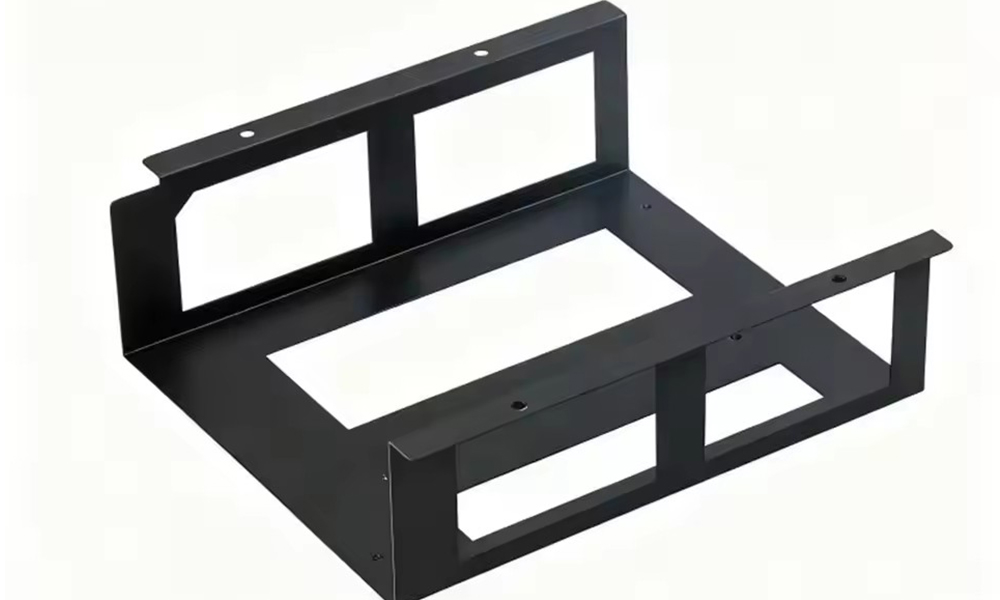
Production planning plays a major role in controlling lead time. Once an order is confirmed, our production team creates a detailed manufacturing schedule based on machine capacity, processing complexity, and delivery deadlines. By balancing workloads across different production lines, we can reduce bottlenecks and improve operational efficiency. Flexible scheduling also allows us to respond quickly when customers require expedited production.
Another important aspect of lead time management is process optimization. Custom metal parts may involve multiple manufacturing stages such as laser cutting, CNC machining, bending, welding, polishing, coating, and assembly. Delays in one process can affect the entire production timeline. To minimize this risk, we continuously improve workflow coordination between departments and monitor production progress in real time. Our technicians and supervisors communicate closely to ensure every stage moves smoothly and efficiently.
Quality control is equally important when discussing delivery performance. Rushing production without proper inspection can result in defects, rework, and shipment delays. We integrate quality checks throughout the manufacturing process rather than waiting until final inspection. This approach helps identify issues earlier and reduces the possibility of costly corrections later. By maintaining stable quality standards, we can deliver products on time while ensuring reliability and precision.
Communication with customers is also essential for successful lead time management. Unexpected situations such as material shortages, engineering modifications, or logistics disruptions can sometimes occur. In these cases, transparency becomes critical. We provide customers with regular production updates and immediate notifications if adjustments to the timeline are necessary. Open communication helps build trust and allows both sides to respond more effectively to changes.
Technology has also improved the way lead times are managed in modern manufacturing. Digital production tracking systems, automated equipment, and advanced CAD/CAM software help increase accuracy and reduce manual errors. These tools allow us to optimize manufacturing efficiency while maintaining consistent production quality for complex custom parts.
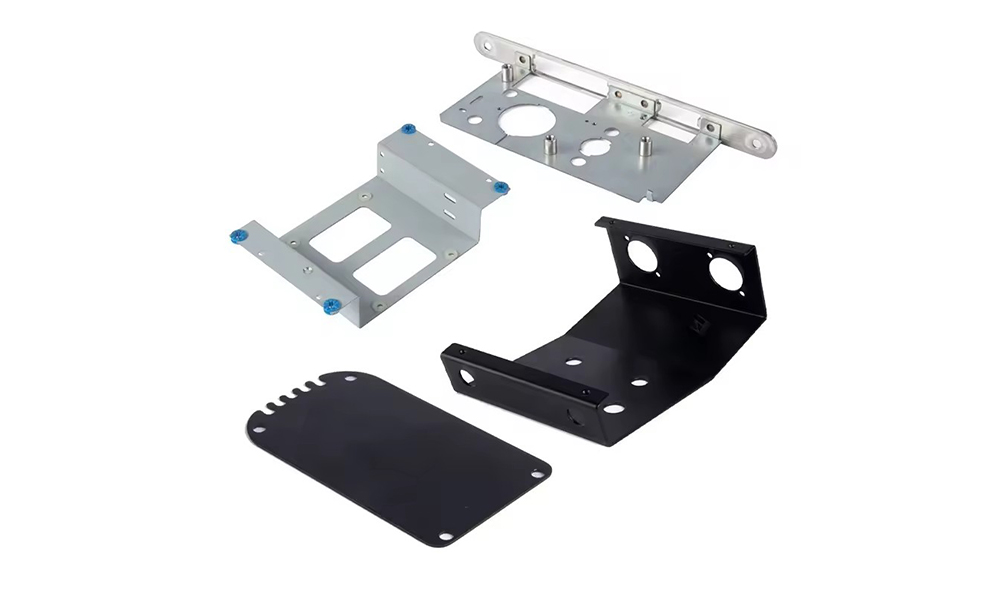
In addition, small batch and prototype production often require special attention. Unlike mass production, custom projects may involve frequent design adjustments and shorter preparation cycles. Our flexible manufacturing capabilities allow us to adapt quickly while still maintaining stable lead times for low-volume orders.
Effective lead time management is not only about producing faster — it is about creating a reliable and predictable manufacturing process. Customers need confidence that their parts will arrive on schedule and meet all technical requirements. By combining accurate planning, strong supplier coordination, efficient production management, and responsive communication, we help customers reduce downtime, improve supply chain stability, and bring products to market more efficiently.
As industries continue to demand greater flexibility and shorter production cycles, lead time management will remain a key competitive advantage in custom metal manufacturing. Our commitment is to provide not only high-quality metal parts, but also dependable delivery performance that supports our customers’ long-term success.
