

Comparison of corrosion resistance of Stainless steel, aluminum and carbon steel in outdoor equipment: How to choose the Best material?
In the field of outdoor equipment manufacturing, material selection directly affects product lifespan and maintenance costs. Stainless steel, aluminium and carbon steel are three mainstream materials, but they have significant differences in corrosion resistance. This article will systematically compare the corrosion resistance performance of the three aspects from four dimensions: corrosion mechanism, environmental adaptability, maintenance requirements and cost-effectiveness, providing a scientific basis for the selection of materials for outdoor equipment.
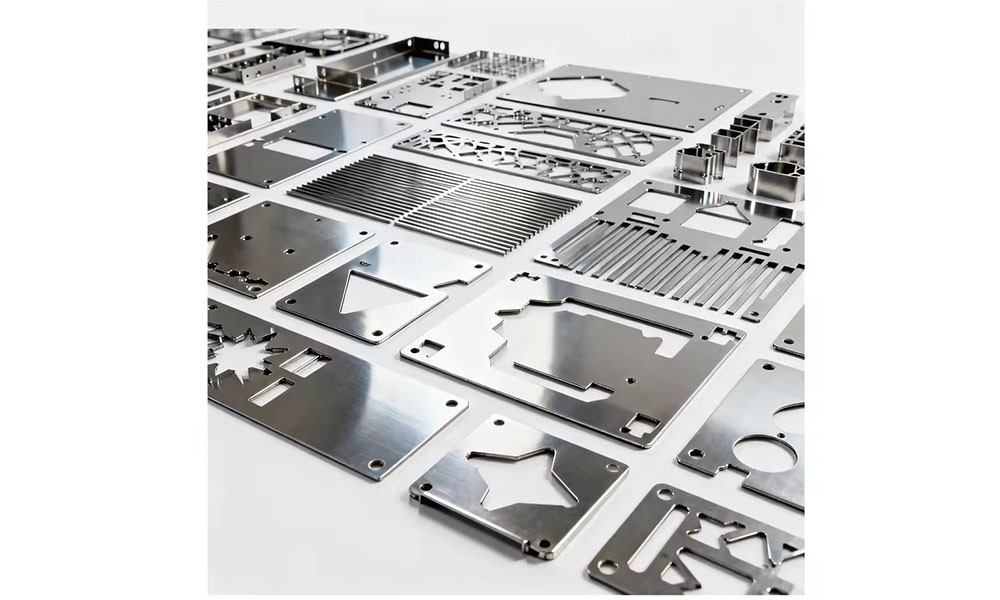
1. Corrosion Mechanism: The essential difference determines the anti-corrosion ability
Stainless steel: It relies on the dense chromium oxide film (Cr₂O₃) formed on its surface to isolate oxygen and moisture. This film has self-repairing ability and can quickly regenerate even if there is local damage. For instance, salt spray tests of 304 stainless steel in coastal environments show that its corrosion rate is only one fifth of that of carbon steel.
Aluminum: It relies on a protective film of aluminum oxide (Al₂O₃), but is easily damaged in environments containing chloride ions (such as seawater) or acidic conditions, leading to pitting or crevice corrosion. For instance, the corrosion rate of aluminium alloy in a salt spray environment can be 2 to 3 times that of carbon steel.
Carbon steel: Iron reacts with oxygen and water to form iron oxide (rust), and the corrosion process is irreversible. Ordinary carbon steel will show obvious rust after being exposed outdoors for three months. Adding alloying elements (such as chromium and nickel) can improve corrosion resistance, but the cost will increase significantly.
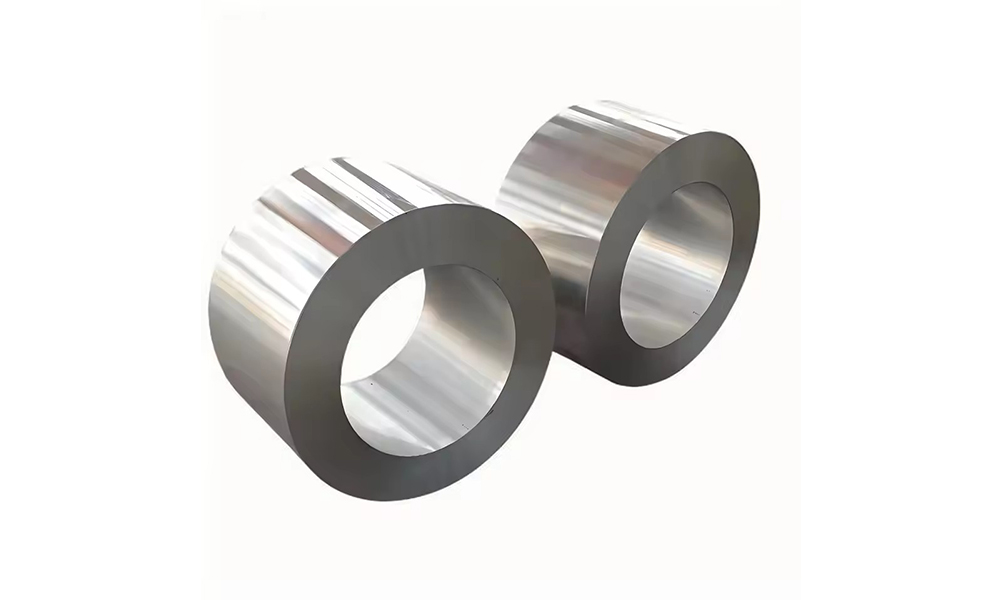
2. Environmental Adaptability: Performance in different scenarios
Coastal/high salt spray environments: Stainless steel (especially 316L) performs best, with its resistance to chloride ion corrosion being 3 to 5 times that of aluminum. For instance, in a certain coastal city, the base of street lamps made of 316L stainless steel has not shown any signs of rust for five years, while the aluminum base only needs to be replaced after two years.
Industrial/acid rain environment: The oxide film of stainless steel can resist the erosion of weak acids, but for strong acids (such as concentrated nitric acid), special grades (such as 316L) should be selected. Aluminum has a corrosion rate 40% higher than that of carbon steel in acid rain environments and is prone to stress corrosion cracking. ^^4^^
In dry/desert environments: The stability of the oxide film on aluminum is better than that on stainless steel, but carbon steel can enhance its corrosion resistance through coating treatment (such as epoxy coating). For instance, a photovoltaic support structure in a certain desert adopted a carbon steel + coating solution and has not shown any signs of rust for ten years.
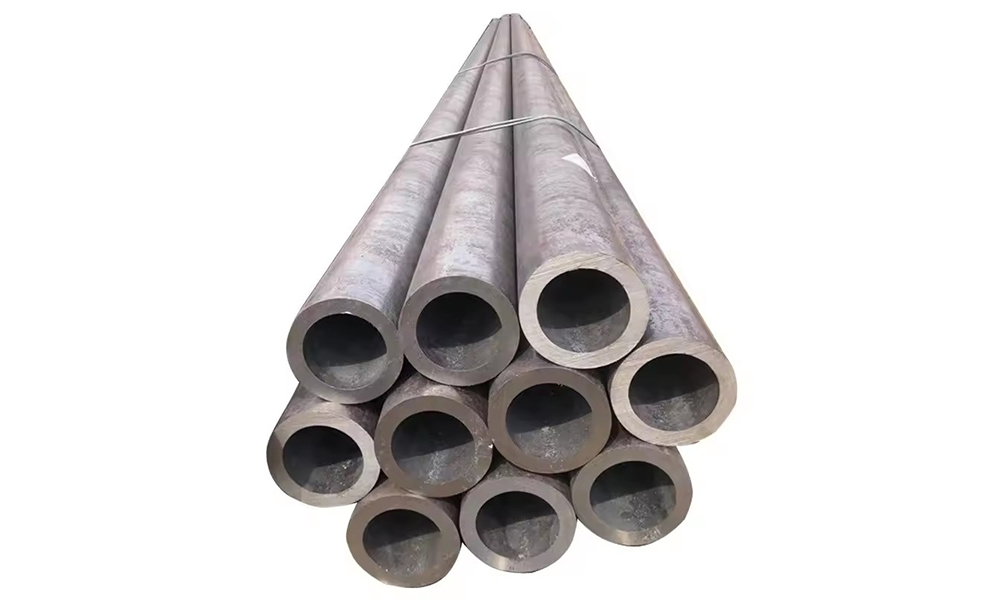
3. Maintenance Requirements: A Balance between Cost and Convenience
Stainless steel: No special maintenance is required, but it should be kept away from chloride ion environments (such as seawater) to prevent intergranular corrosion. When cleaning, use neutral detergent to avoid scratching the surface.
Aluminum: The integrity of the oxide film needs to be inspected regularly. In coastal areas, it is recommended to carry out anodizing treatment every two years. When cleaning, use a soft cloth and avoid scratching with hard tools.
Carbon steel: It relies on coating protection and needs to be repainted or electroplated every 3 to 5 years. In a humid environment, if the coating is damaged, it needs to be repaired in time; otherwise, the rust will spread more rapidly.
4. Cost-effectiveness: The balance between long-term value and initial investment
Initial cost: Carbon steel has the lowest price (about 2,000 yuan per ton), but an additional coating fee (about 500 yuan per ton) is required. The price of aluminium is moderate (about 15,000 yuan per ton), while that of stainless steel is the highest (about 25,000 yuan per ton for 304 and 40,000 yuan per ton for 316L).
Life cycle cost: The maintenance cost of stainless steel in coastal environments over 10 years is only one-third of that of carbon steel, while the maintenance cost of aluminum equipment in industrial environments over 5 years is twice that of carbon steel.
Recycling value: The recycling rate of stainless steel is 98%, and the recycling price can reach 70% of the original price. The aluminum recycling rate is 95%, and the recycling price is approximately 50% of the original price. The recovery rate of carbon steel is 85%, and the recovery price is approximately 30% of the original price.
5. Material Selection Suggestions: Customize solutions based on scenarios
Scenarios where stainless steel is preferred: coastal equipment (such as ship parts, seaside street lamps), chemical equipment (such as pipelines, storage tanks), and medical equipment (such as surgical instruments).
Preferred scenarios for aluminum: equipment in dry areas (such as desert photovoltaic brackets), lightweight requirements (such as drone shells), and cost-sensitive projects (such as temporary buildings).
Scenarios where carbon steel is preferred: heavy-duty structures (such as Bridges, scaffolding), short-term equipment (such as mobile stages), and projects with limited budgets (such as rural infrastructure).
Conclusion
Material selection should take into account the corrosive environment, maintenance capabilities and cost budget. Stainless steel has a significant advantage in long-term corrosion resistance, aluminium is suitable for lightweight and medium to short-term demands, while carbon steel is applicable to heavy-load and low-cost scenarios. Through scientific material selection, the reliability and economy of outdoor equipment can be significantly enhanced.
