

How to Customize Metal Tags: A Full-process Guide from Design to Finished Product
In brand identification, product marking and industrial applications, metal tags are highly favored for their durability, professionalism and long-term use value. Whether used for mechanical equipment, electronic products, gift customization or corporate logos, metal labels can offer a high-end and long-lasting solution.
This article will provide a detailed introduction on how to customize metal labels, covering material selection, production processes, and precautions, to help you create the perfect metal label.
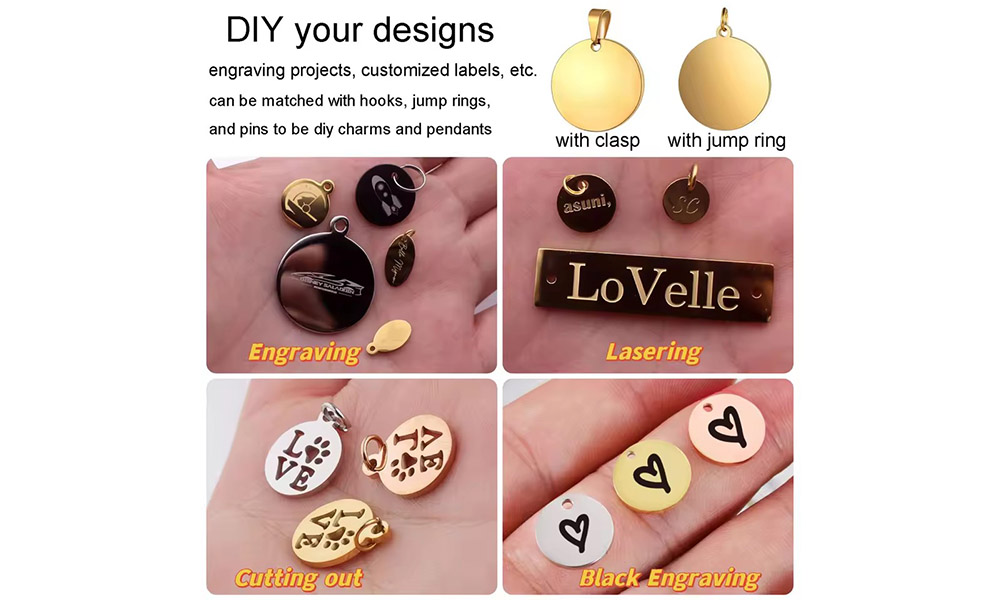
Basic Process of Customizing Metal Labels
1.Clarify the requirements and purposes
Before customizing metal labels, it is first necessary to clarify the purpose and requirements of the labels.
Clarifying these requirements will be helpful for subsequent material selection, design and process determination.
2.Select materials
The material selection for metal tags is of vital importance. Common metal materials include:
Stainless steel : corrosion-resistant and heat-resistant, suitable for outdoor and harsh environments. The surface can be treated with brushing, mirror finish, etc.
Aluminum alloy : lightweight, easy to process, low cost, suitable for mass production, and the surface can be oxidized.
Copper : It has a high-end texture and is suitable for retro or high-end products, but it is relatively expensive and requires anti-oxidation treatment.
Zinc alloy : easy to cast into complex shapes, suitable for three-dimensional signs, and the surface can be electroplated.
Select the most suitable materials based on the usage environment and budget.
3. Design labels
Design is the soul of metal tags and the following elements need to be considered:
Text content : Ensure the information is accurate and concise, and the font selection should be clear and easy to read.
Pattern and LOGO : Use vector graphics (such as AI, EPS format) to ensure clarity and avoid blurring or pixelation.
Size and shape : determined based on the product space and visual effect. Common shapes include rectangle, circle, oval, etc.
Color and effect : The color of metal labels is usually achieved through surface treatment, such as painting, electroplating, oxidation, etc. Laser engraving or etching processes can also be used.
4. Select the production process
The production process of metal tags directly affects their appearance and durability. Common processes include:
Laser engraving : By using a laser to engrave text or patterns on the surface of metals, it features high precision and is suitable for small-batch customization.
Etching : By using chemical or physical methods to form grooves on the surface of metals, complex patterns can be created and it is suitable for mass production.
Stamping : stamping characters or shapes on metal plates through dies, which is highly efficient and low-cost.
Spray painting and printing : Spray or print colors on metal surfaces, suitable for labels that require a multi-color effect.
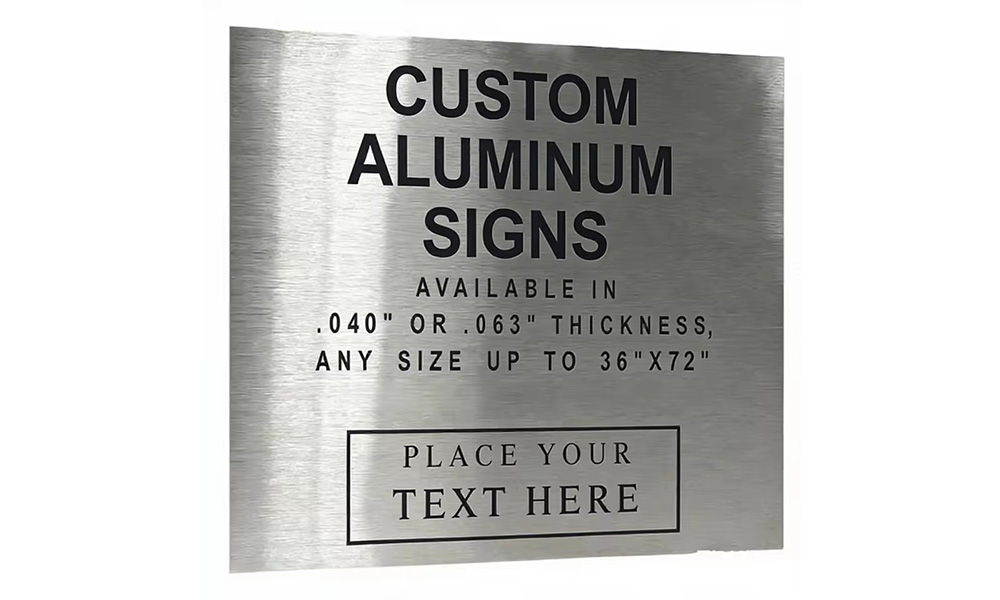
Application Scenarios of Customized Metal Labels
1. Industrial application
Mechanical equipment : used to identify equipment model, parameters, operation instructions, etc.
Electronic products : used for brand identification, model, serial number, etc.
2. Customized gifts
Souvenir : used for making MEDALS, MEDALS, etc.
Personalized gifts : such as custom keychains, phone cases, etc.
3. Corporate logo
Brand identity : used for company logos, names, etc.
Product identification : used to distinguish products of different series or models.
Through the introduction in this article, we believe that you have gained a deeper understanding of how to customize metal labels. In actual operation, it is recommended to cooperate with professional metal label manufacturers, who can provide
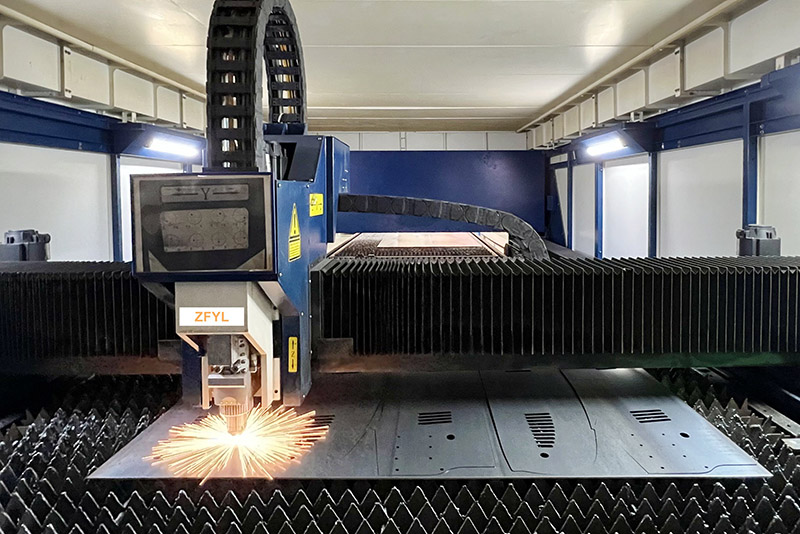
Our factory is a metal manufacturing plant with 26 years of production and manufacturing experience. We can provide you with comprehensive services from design to production to ensure that your metal labels are both beautiful and practical.
Welcome to inquire at any time!
