

Tube bending is a fundamental manufacturing technique used to shape metal tubes into precise angles, curves, and complex geometries. From automotive exhaust systems to structural frames, tube bending enables strong, seamless, and lightweight components that meet modern engineering requirements. As industries demand more customized and efficient designs, advanced tube-bending technology has become essential for production, prototyping, and large-scale manufacturing.
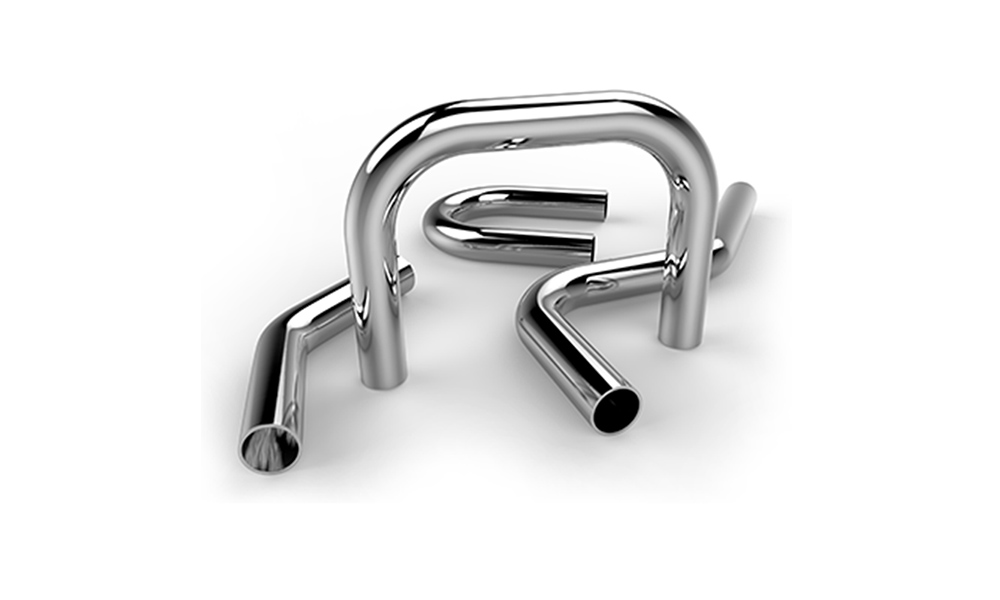
Tube bending is the process of permanently forming metal tubes—typically steel, stainless steel, aluminum, copper, or titanium—into specific shapes without compromising their structural integrity. The goal is to achieve accurate bends while maintaining consistent wall thickness, inner diameter, and material strength. Tube bending may involve cold or hot forming depending on the material and the complexity of the design.
Tube Bending Processes
1. CNC Tube Bending
Automated machines control rotation, feeding, and bending angles with high precision. CNC technology ensures repeatability and allows multi-axis bending for complex parts.
2. Mandrel Bending
A mandrel inserted inside the tube prevents wrinkling or collapsing during tight-radius bends, ideal for thin-walled tubing.
3. Compression Bending
The tube is clamped and wrapped around a form block. This method is simple and economical for large-radius bends.
4. Roll Bending
Three rollers gradually shape the tube into long, smooth curves, spirals, or rings.
5. Rotary Draw Bending
Common in high-precision industries, it allows tight tolerances and clean surface finishes.
Each method is selected based on geometry, material thickness, bend radius, and production volume.
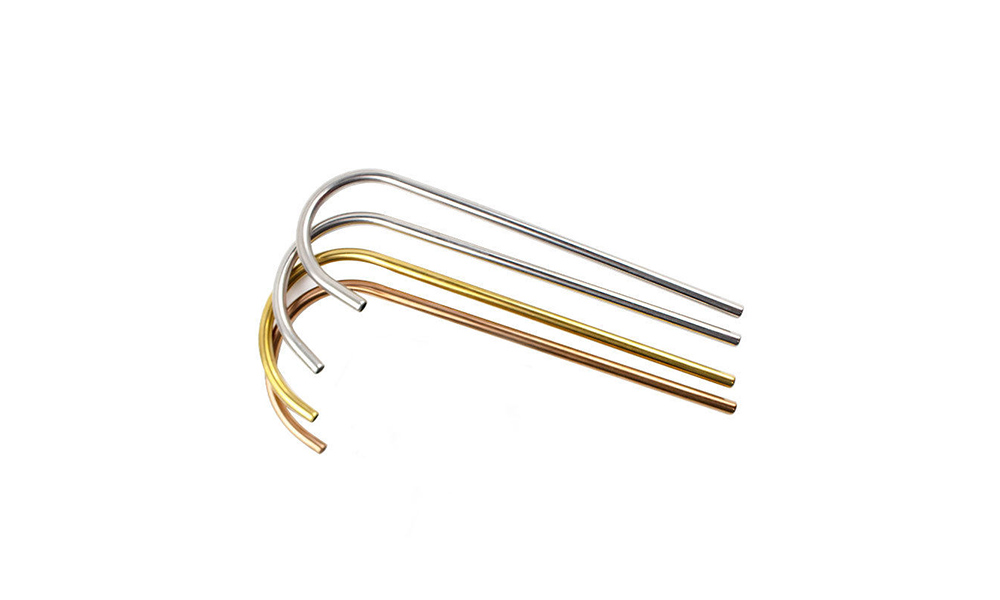
Types of Tube Bending
2D Tube Bending: Produces bends on a flat plane; ideal for handrails, frames, and piping.
3D Tube Bending: Forms multi-axis shapes for complex automotive, aerospace, or structural parts.
Thin-Wall Tube Bending: Requires special tooling and mandrels to maintain tube stability.
Thick-Wall Tube Bending: Used for heavy-duty hydraulic tubes and industrial machinery.
Tube Bending Services
Professional tube-bending providers typically offer:
Custom CNC tube bending
Prototype and small-batch runs
High-volume production
Tube cutting, end forming, shaping, and welding
3D measurement, reverse engineering, and design optimization
Material sourcing and finishing services (powder coating, polishing, painting)
These integrated services streamline production and help clients reduce lead times and overall costs.
Advantages of Tube Bending
High Precision: CNC control ensures accurate and repeatable bends.
Stronger Structures: Seamless bent tubes are stronger than welded assemblies.
Cost Efficiency: Reduces the number of welded joints and improves material utilization.
Design Flexibility: Enables complex geometries not achievable with straight tubing.
Lightweight Construction: Preserves tube strength while minimizing additional components.
Improved Aesthetics: Smooth continuous curves enhance product appearance and ergonomics.
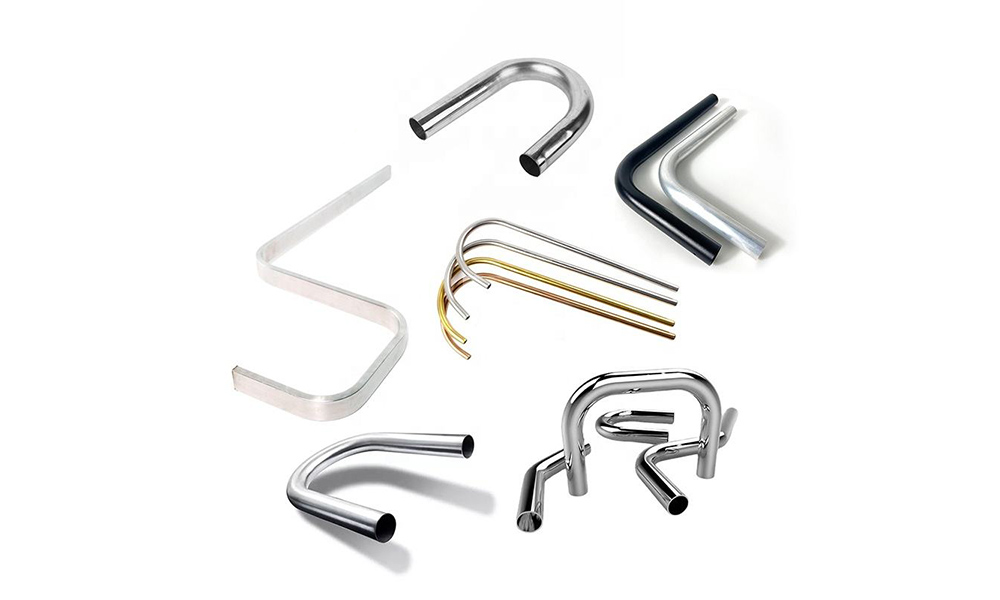
Applications of Tube Bending
Tube bending is widely used across industries due to its versatility and reliability:
Automotive: Exhaust systems, fuel lines, chassis components.
Aerospace: Hydraulic tubing, support frames, structural parts.
Furniture: Chair frames, metal bases, decorative elements.
Construction: Handrails, guardrails, architectural designs.
Medical: Hospital beds, equipment frames, mobility devices.
Energy & Industrial: Heat exchangers, boiler tubes, machinery assemblies.
From lightweight consumer products to high-performance industrial equipment, tube bending remains a critical technique for creating functional and efficient metal components.
