

Why Choose Chinese Machinery Manufacturing: Advantages for Global Businesses
In today’s highly competitive global market, sourcing industrial equipment from China has become a strategic choice for many importers, distributors, and project contractors. Over the past three decades, China has transformed from a low-cost production base into one of the world’s leading machinery manufacturing hubs. From construction equipment and agricultural machinery to packaging lines and CNC systems, Chinese manufacturers now supply equipment to markets across Asia, Europe, Africa, and the Americas.
For businesses looking to optimize costs while maintaining performance and scalability, Chinese machinery offers several compelling advantages.
1. Competitive Cost-to-Performance Ratio
One of the strongest advantages of sourcing machinery from China is the excellent balance between price and performance. Compared to equipment produced in Europe, Japan, or North America, Chinese machinery is often significantly more affordable while still meeting international standards.
This cost efficiency is not solely due to lower labor costs. It is also driven by mature industrial clusters, vertically integrated supply chains, and high production volumes. Manufacturers benefit from bulk purchasing of raw materials, localized component sourcing, and optimized production processes. As a result, buyers can obtain reliable machinery at a more accessible investment level, improving return on investment (ROI) and reducing capital expenditure.
2. Strong and Complete Industrial Supply Chains
China’s well-developed industrial ecosystem is one of its greatest strengths. In major manufacturing regions such as Jiangsu, Zhejiang, and Shandong, suppliers of castings, motors, hydraulics, electronics, and control systems operate in close proximity.
This supply chain integration offers several benefits:
Faster production cycles
Easier customization
Lower component costs
Improved coordination and technical support
For example, a packaging machine manufacturer can quickly source servo motors, PLC systems, stainless steel components, and automation parts domestically. This reduces dependency on multiple overseas suppliers and shortens lead times for international buyers.
3. Advanced Manufacturing Capabilities
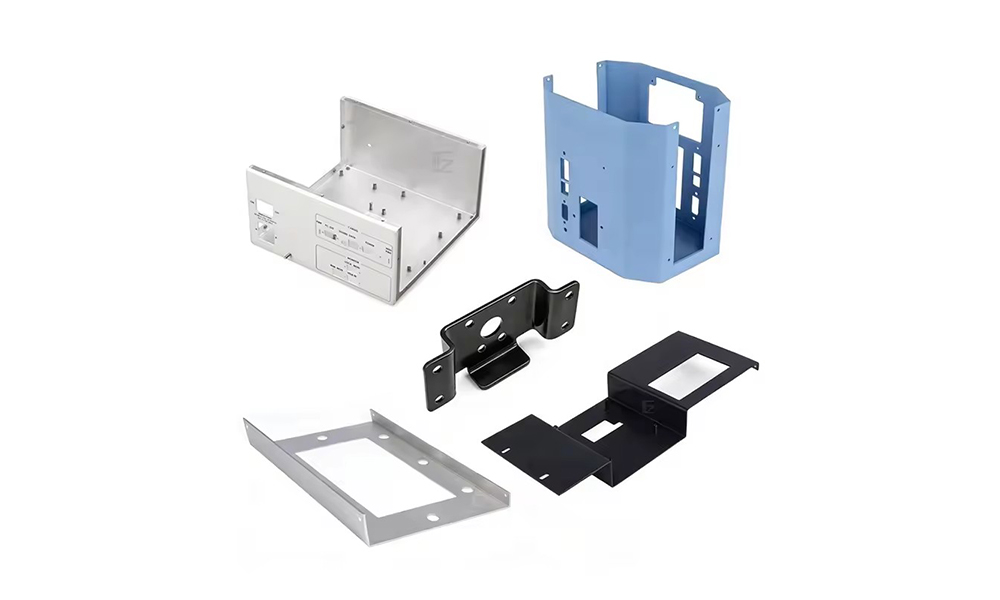
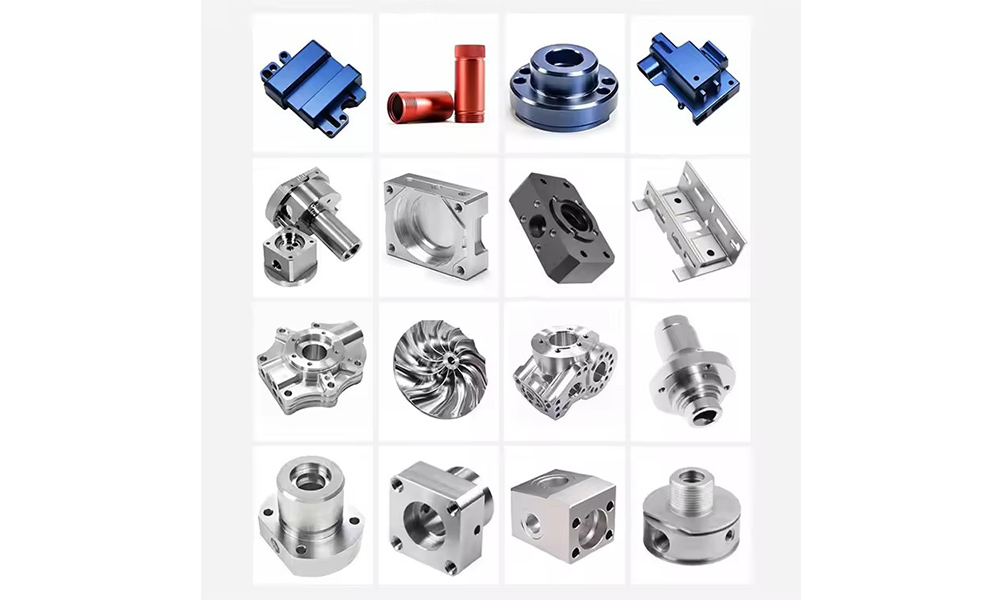
Chinese machinery manufacturers have invested heavily in modern production technologies, including CNC machining centers, laser cutting systems, robotic welding, and automated assembly lines. Many factories now comply with international quality certifications such as ISO and CE standards.
In addition, China has made significant progress in high-tech sectors such as renewable energy equipment, smart manufacturing systems, and precision machinery. The country is home to globally recognized construction equipment brands like Sany and XCMG, which compete directly with established Western and Japanese manufacturers in global markets.
This technological advancement demonstrates that Chinese machinery is no longer limited to basic, low-end equipment. Buyers can now source both standard and technologically advanced machinery with confidence.
4. Flexible Customization and OEM/ODM Services
Another key advantage is flexibility. Chinese manufacturers are generally open to customization, private labeling, and OEM/ODM cooperation. Whether clients require specific voltage configurations, branding, design adjustments, or technical modifications, many suppliers are willing to adapt production accordingly.
This flexibility is particularly valuable for distributors and brand owners who want to differentiate themselves in their local markets. Instead of purchasing standardized equipment, buyers can collaborate directly with factories to develop tailored solutions that meet specific industry requirements.
5. Large-Scale Production and Scalability
For projects requiring bulk orders or rapid expansion, China’s large-scale production capacity is a major benefit. Factories are accustomed to handling substantial volumes and can scale production efficiently when demand increases.
This scalability ensures supply stability for infrastructure projects, industrial upgrades, and long-term distribution partnerships. It also reduces the risk of production bottlenecks during peak seasons.
6. Improved Quality Standards and Global Experience
Over the years, Chinese machinery exporters have accumulated extensive experience working with international clients. Many manufacturers understand export documentation, compliance requirements, and international logistics procedures.
Quality control systems have also improved significantly. Reputable suppliers conduct internal inspections, performance testing, and pre-shipment verification to ensure machinery meets contractual specifications. Third-party inspections are widely accepted and supported.
Moreover, exposure to competitive global markets has encouraged continuous product improvement and technical innovation.
7. Strong Logistics and Export Infrastructure
China’s advanced transportation infrastructure supports efficient international trade. Major ports such as Shanghai, Ningbo, and Shenzhen handle large volumes of machinery exports every year. Combined with competitive freight services and experienced freight forwarders, this infrastructure helps minimize shipping delays and reduce overall logistics costs.
For buyers managing complex supply chains, reliable export logistics can significantly enhance operational efficiency.
Conclusion
Machinery manufacturing in China has evolved into a mature, technologically capable, and globally competitive industry. The combination of cost efficiency, integrated supply chains, advanced production capabilities, customization flexibility, and strong export experience makes China an attractive sourcing destination for industrial equipment.
While careful supplier evaluation and quality control remain essential, businesses that establish reliable partnerships with reputable Chinese manufacturers can achieve substantial long-term benefits. In today’s dynamic global market, sourcing machinery from China is not just about reducing costs — it is about gaining access to a powerful manufacturing ecosystem that supports growth, scalability, and innovation.
