

Precision Metal Product Customization: Driving Innovation in Advanced Manufacturing
In today’s highly competitive industrial landscape, precision metal product customization has become a key factor in enabling innovation, improving product performance, and meeting the increasingly specific demands of various industries. From aerospace and automotive to electronics and medical equipment, manufacturers rely on customized metal components to achieve superior functionality, durability, and design flexibility.
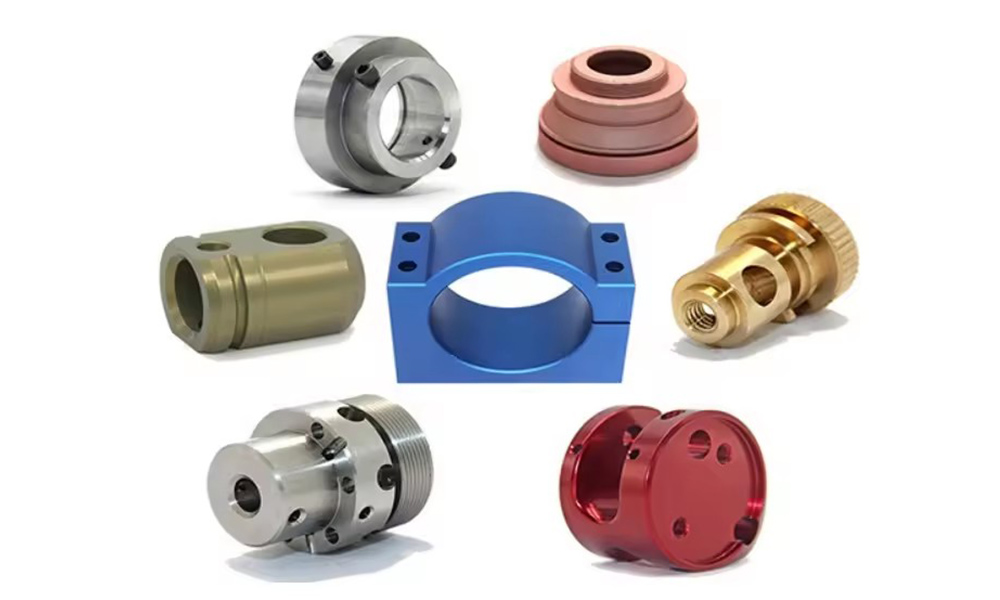
Precision metal customization refers to the process of designing and manufacturing metal components according to exact customer specifications. Unlike standard, off-the-shelf parts, these products are tailored to meet unique technical requirements, including tight tolerances, complex geometries, and specialized material properties. This approach ensures that each component fits seamlessly into its intended application, enhancing overall system efficiency and reliability.
One of the primary advantages of precision metal customization is its exceptional accuracy. Advanced manufacturing technologies such as CNC machining, laser cutting, and electrical discharge machining (EDM) enable the production of components with extremely tight tolerances, often within microns. This level of precision is essential in industries like medical device manufacturing, where even the smallest deviation can impact performance or safety.
Another important benefit is design flexibility. Engineers and designers can work closely with manufacturers to develop parts that are optimized for both function and manufacturability. Using computer-aided design (CAD) software, complex shapes and intricate features can be created and tested virtually before production begins. This not only reduces development time but also minimizes the risk of costly errors during manufacturing.
Material selection plays a crucial role in precision metal customization. A wide variety of metals and alloys are available, including stainless steel, aluminum, titanium, brass, and copper. Each material offers distinct properties such as strength, corrosion resistance, thermal conductivity, and weight. By carefully selecting the appropriate material, manufacturers can ensure that the final product meets both performance and environmental requirements.
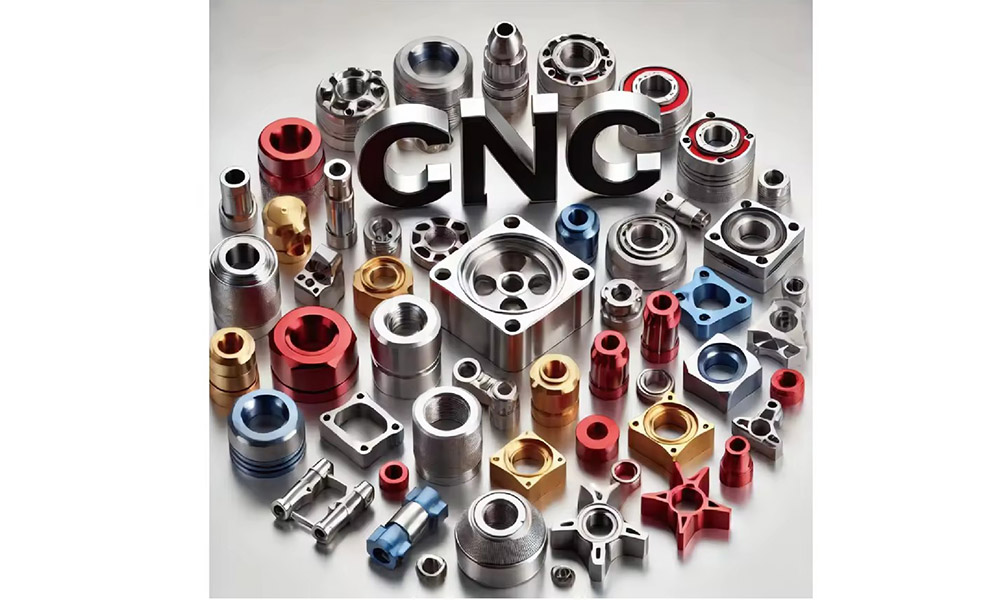
In addition to material and design considerations, surface finishing is another critical aspect of customized metal products. Processes such as polishing, anodizing, plating, and powder coating can enhance the appearance, durability, and corrosion resistance of components. These finishing techniques not only improve product quality but also extend the lifespan of metal parts in demanding environments.
Despite its many advantages, precision metal customization does come with certain challenges. The process often involves higher initial costs due to specialized tooling, programming, and setup requirements. Additionally, it requires skilled engineers and technicians to ensure that designs are accurately translated into finished products. However, for applications that demand high performance and reliability, the benefits far outweigh the costs.
Quality control is essential throughout the customization process. Manufacturers employ advanced inspection methods, such as coordinate measuring machines (CMM) and optical inspection systems, to verify that each component meets the specified tolerances and standards. This rigorous approach to quality assurance helps prevent defects and ensures consistent product performance.
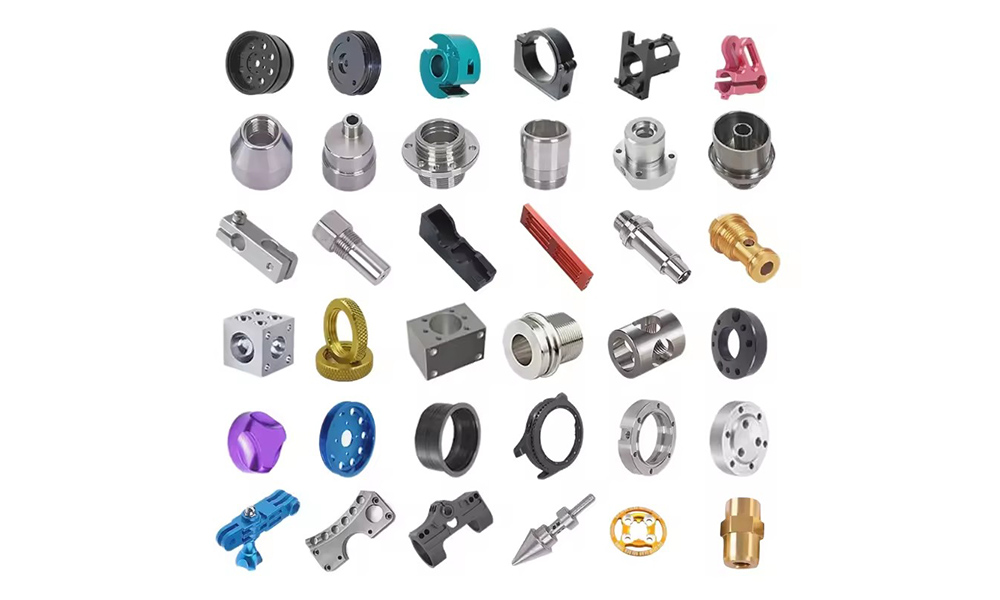
As technology continues to evolve, precision metal customization is becoming more efficient and accessible. The integration of automation, artificial intelligence, and digital manufacturing systems is streamlining production processes and reducing lead times. Smart factories equipped with real-time monitoring capabilities are further enhancing productivity and enabling predictive maintenance.
In conclusion, precision metal product customization is a vital component of modern manufacturing, offering unmatched accuracy, flexibility, and performance. By leveraging advanced technologies and engineering expertise, manufacturers can create high-quality, tailor-made components that meet the unique needs of diverse industries. As demand for specialized products continues to grow, precision customization will remain at the forefront of industrial innovation, shaping the future of manufacturing worldwide.
