

CNC Turning: Precision and Efficiency for Modern Manufacturing
In the field of precision machining, CNC turning plays a vital role in producing high-quality cylindrical and rotational components. From automotive shafts to aerospace fittings and industrial fasteners, CNC turning delivers accuracy, consistency, and efficiency across a wide range of industries. This blog provides a detailed overview of CNC turning, explaining its definition, working process, classifications, service capabilities, advantages, and applications.
What Is CNC Turning?
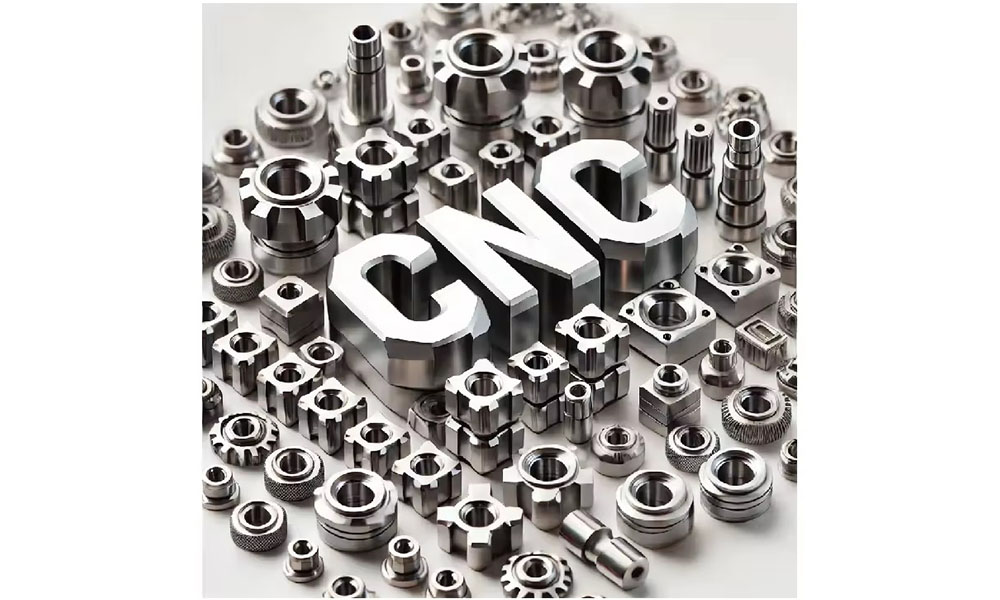
CNC turning is a subtractive manufacturing process in which a workpiece rotates while a stationary cutting tool removes material to achieve the desired shape. The process is controlled by Computer Numerical Control (CNC) technology, allowing complex geometries and tight tolerances to be produced with minimal human intervention. CNC turning is particularly suitable for round, cylindrical, or conical parts requiring precise diameters and smooth surface finishes.
How the CNC Turning Process Works
The CNC turning process begins with a digital design created using CAD software. CAM software then converts the design into a CNC program that controls spindle speed, tool movement, feed rate, and cutting depth. The raw material—typically a metal or plastic rod—is securely clamped in a chuck or collet.
During machining, the workpiece rotates at high speed while cutting tools perform operations such as facing, turning, grooving, drilling, and threading. Once machining is complete, parts may undergo deburring, polishing, heat treatment, or coating, followed by quality inspection to ensure dimensional accuracy.
Types of CNC Turning
CNC turning can be classified into several types based on machine configuration and part complexity:
2-Axis CNC Turning – Standard turning operations for simple cylindrical components.
Multi-Axis CNC Turning – Includes live tooling and Y-axis capability for milling and drilling in one setup.
Swiss-Type CNC Turning – Ideal for small, high-precision parts with tight tolerances.
Vertical CNC Turning – Suitable for large-diameter or heavy components.
CNC Turn-Mill Centers – Combine turning and milling for complex, multi-featured parts.
Each type supports different production requirements and part designs.
CNC Turning Services
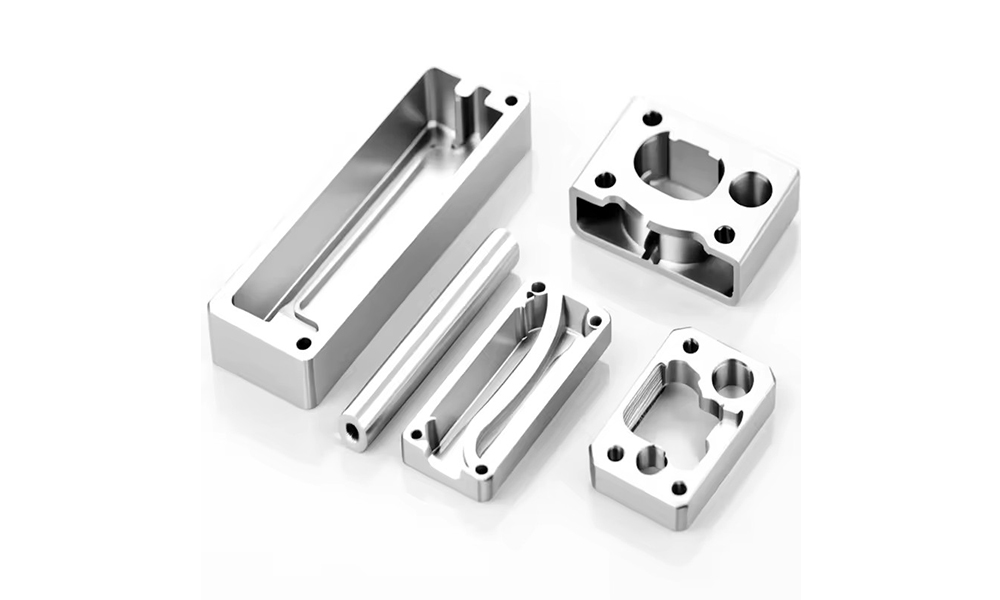
Professional CNC turning service providers offer a wide range of capabilities, including:
Custom CNC turning for metal and plastic components
Prototype development and small-batch production
High-volume manufacturing with consistent quality
Tight tolerance machining and surface finishing
Thread cutting, drilling, knurling, and grooving
Secondary processes such as heat treatment, plating, anodizing, and assembly
Full quality inspection and documentation
These services allow customers to receive complete, ready-to-use components.
Advantages of CNC Turning
CNC turning offers several key advantages:
High precision and repeatability
Excellent surface finish for rotational parts
Fast production speed, especially for high-volume orders
Reduced setup time and labor costs
Ability to machine complex features in a single setup
Wide material compatibility, including aluminum, stainless steel, brass, copper, plastics, and alloys
These advantages make CNC turning one of the most efficient machining solutions for rotational components.
Applications of CNC Turning
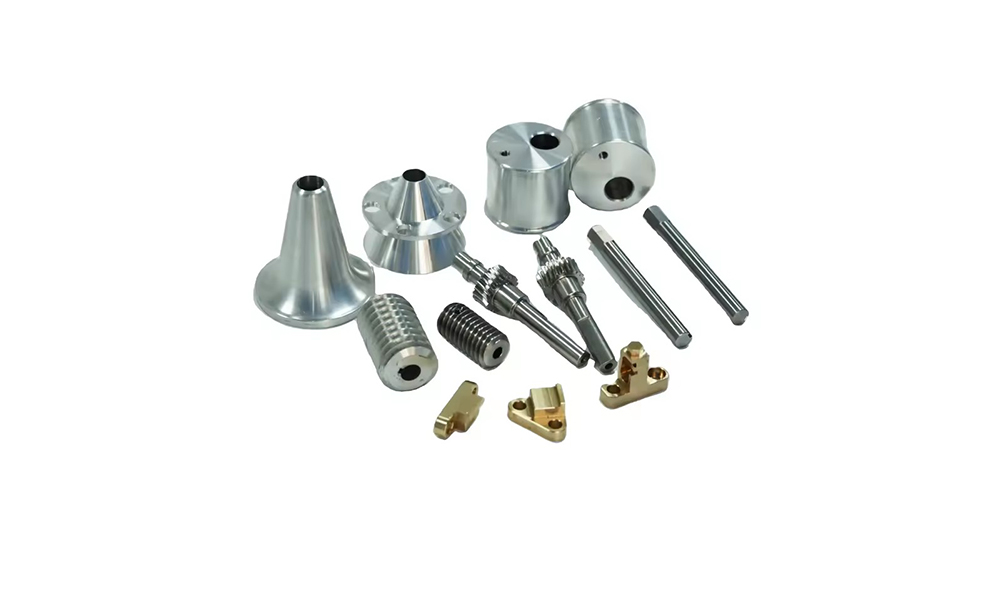
CNC turning is widely used across many industries:
Automotive – shafts, bushings, fasteners, engine parts
Aerospace – precision fittings and structural components
Medical devices – implants, surgical tools, connectors
Industrial machinery – pins, rollers, couplings, gears
Electronics – connectors, housings, precision hardware
Energy and hydraulics – valves, fittings, and pump components
Its ability to deliver consistent quality and accuracy makes CNC turning indispensable for performance-critical parts.
Conclusion
As manufacturing demands continue to grow, CNC turning remains a core technology for producing precise and reliable components. By combining automation, advanced tooling, and skilled engineering, CNC turning provides an efficient solution for both prototype and mass production needs, supporting innovation across modern industries.
