

5 Ways to Reduce Sheet Metal Fabrication Costs
In today’s competitive manufacturing market, controlling production costs is more important than ever. Whether you are producing enclosures, brackets, panels, or custom components, sheet metal fabrication expenses can quickly add up due to material waste, complex designs, labor, and secondary processing. Fortunately, with the right strategies, manufacturers can significantly reduce costs without sacrificing product quality.
Here are five practical ways to lower sheet metal fabrication costs while improving efficiency and productivity.
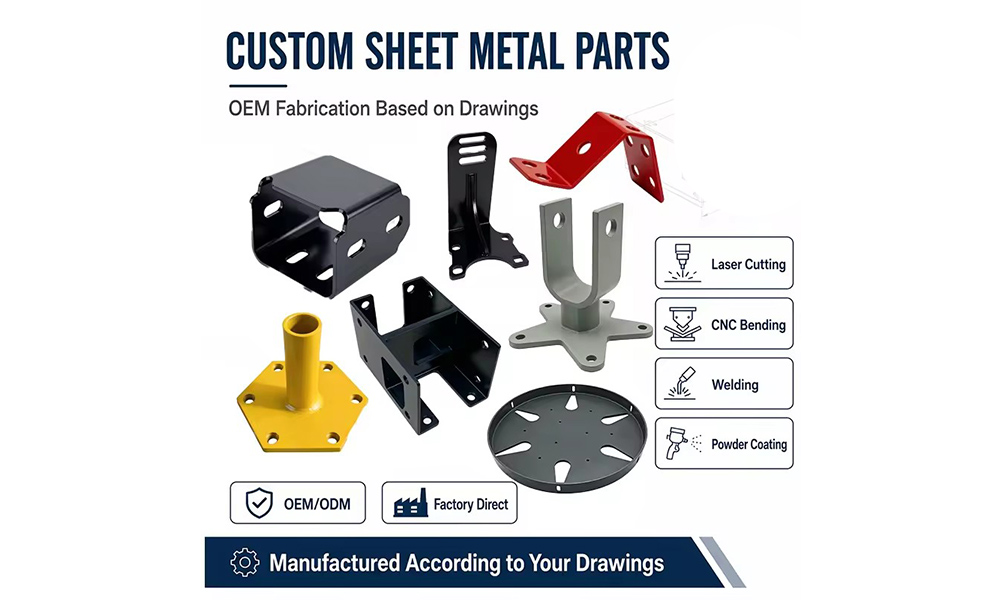
1. Simplify the Design
One of the biggest drivers of fabrication cost is overly complicated part design. Complex geometries often require additional machine setup, specialized tooling, longer production time, and more labor.
To reduce costs, designers should focus on simplicity and manufacturability. Avoid unnecessary bends, tight tolerances, and intricate cutouts unless they are absolutely essential. Standard hole sizes and bend radii are easier and faster to produce, which lowers machining and setup costs.
For example, designing parts with consistent bend directions can reduce handling time during the bending process. Likewise, minimizing the number of welded joints can reduce labor expenses and improve production speed.
Early collaboration between engineers and fabrication teams can also help identify cost-saving opportunities before production begins.
2. Choose the Right Material
Material selection has a direct impact on manufacturing costs. While premium metals may offer excellent strength or corrosion resistance, they are not always necessary for every application.
Selecting the most suitable material based on the product’s actual performance requirements can help reduce expenses. Common cost-effective materials include:
Mild steel for general structural applications
Aluminum for lightweight components
Stainless steel only when corrosion resistance is required
Another important factor is material thickness. Thicker materials increase both raw material costs and machining time. Using the minimum thickness necessary for structural integrity can lead to significant savings.
Additionally, standard sheet sizes should always be prioritized. Custom-sized sheets often increase purchasing costs and generate more waste during cutting.
3. Optimize Material Utilization
Material waste is a hidden cost that many manufacturers overlook. Efficient nesting and layout planning can dramatically improve material utilization and reduce scrap rates.
Modern CAD/CAM software allows fabricators to arrange parts strategically on metal sheets to maximize usable space. Better nesting means fewer sheets are required for production, reducing material consumption and lowering overall costs.
Manufacturers should also consider:
Combining multiple parts into a single cutting program
Reducing excessive spacing between parts
Recycling scrap materials whenever possible
Even small improvements in material efficiency can create substantial savings over large production runs.
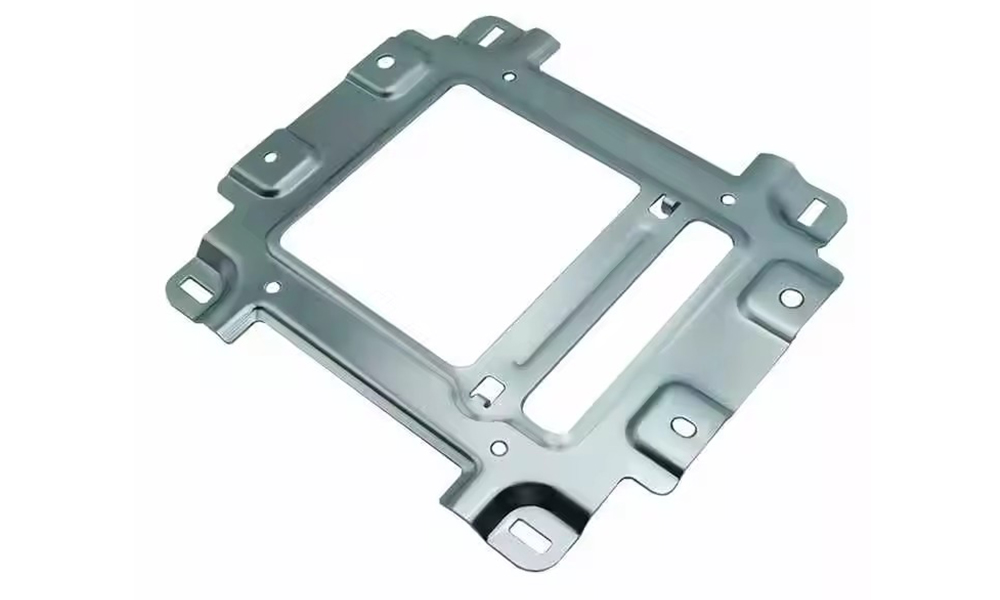
4. Reduce Secondary Operations
Secondary operations such as welding, grinding, polishing, painting, and assembly can significantly increase fabrication costs. The more processes required after cutting and forming, the higher the labor and production expenses.
Whenever possible, products should be designed to minimize additional processing. For instance:
Use self-fastening features instead of welding
Design snap-fit assemblies to reduce hardware requirements
Eliminate cosmetic finishes when appearance is not critical
Powder coating and surface treatments should only be applied when necessary for performance or customer requirements.
Automation can also help reduce secondary operation costs. Robotic welding and automated finishing systems improve consistency while lowering labor dependency.
5. Work with an Experienced Fabrication Partner
Choosing the right fabrication partner can make a major difference in both production quality and cost control. Experienced manufacturers understand how to optimize designs, improve workflows, and recommend more economical production methods.
A reliable fabrication partner can help:
Identify design inefficiencies
Suggest alternative materials
Improve manufacturability
Shorten lead times
Reduce waste and rework
Suppliers with advanced equipment such as CNC laser cutters, automated bending machines, and robotic welding systems can often complete jobs faster and more accurately, resulting in lower overall costs.
Long-term partnerships are especially valuable because fabricators become familiar with your products and production requirements, leading to better efficiency over time.
Final Thoughts
Reducing sheet metal fabrication costs is not simply about finding the cheapest supplier. It requires a strategic approach that includes smart design, proper material selection, efficient production planning, and strong collaboration with experienced fabricators.
By simplifying designs, optimizing material usage, minimizing secondary operations, and leveraging expert manufacturing support, companies can achieve significant cost savings while maintaining high product quality.
In an increasingly competitive market, even small improvements in fabrication efficiency can provide a meaningful advantage. Businesses that focus on cost-effective manufacturing strategies will be better positioned to improve profitability, reduce lead times, and stay ahead of the competition.
