

Laser Cutting vs CNC Punching: Cost Comparison
In the world of sheet metal fabrication, two of the most widely used manufacturing methods are laser cutting and CNC punching. Both technologies are essential for producing high-quality metal components, but when it comes to cost efficiency, manufacturers often struggle to decide which process is the better investment. The answer depends on several factors, including material type, production volume, design complexity, tooling requirements, and turnaround time.
This article explores the cost comparison between laser cutting and CNC punching, helping manufacturers choose the most economical solution for their projects.
Understanding Laser Cutting
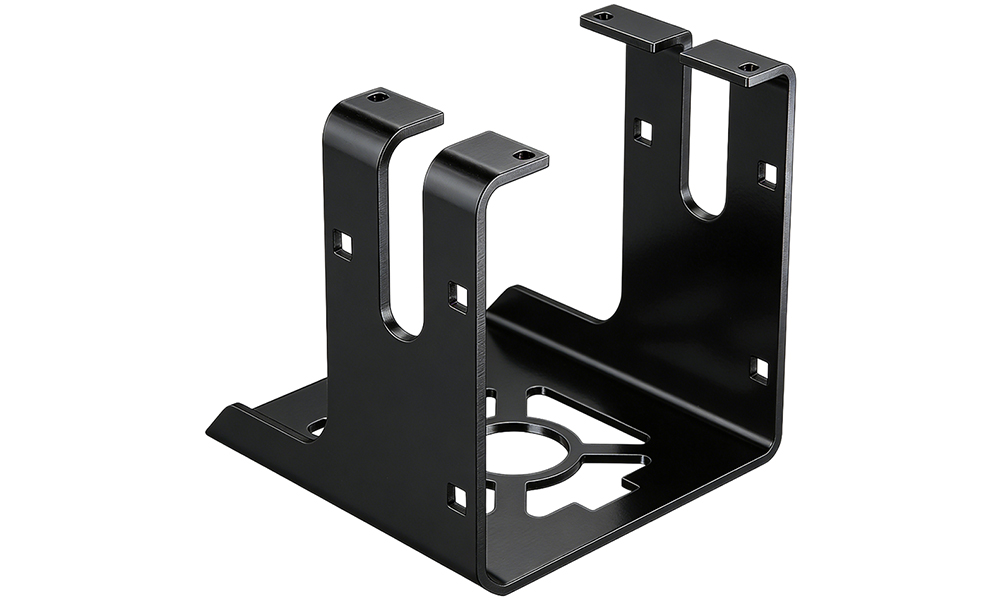
Laser cutting uses a concentrated laser beam to cut through metal sheets with extreme precision. The laser melts or vaporizes the material while a gas stream removes molten metal from the cutting path.
Laser cutting is widely used for stainless steel, aluminum, carbon steel, brass, and copper. It is highly valued for its flexibility and ability to produce intricate designs without physical tooling.
Advantages of Laser Cutting
High precision and clean edges
Suitable for complex geometries
No tooling costs
Fast setup time
Excellent for prototypes and custom jobs
Limitations
Higher energy consumption
Slower for repetitive simple holes
Equipment investment can be expensive
Understanding CNC Punching
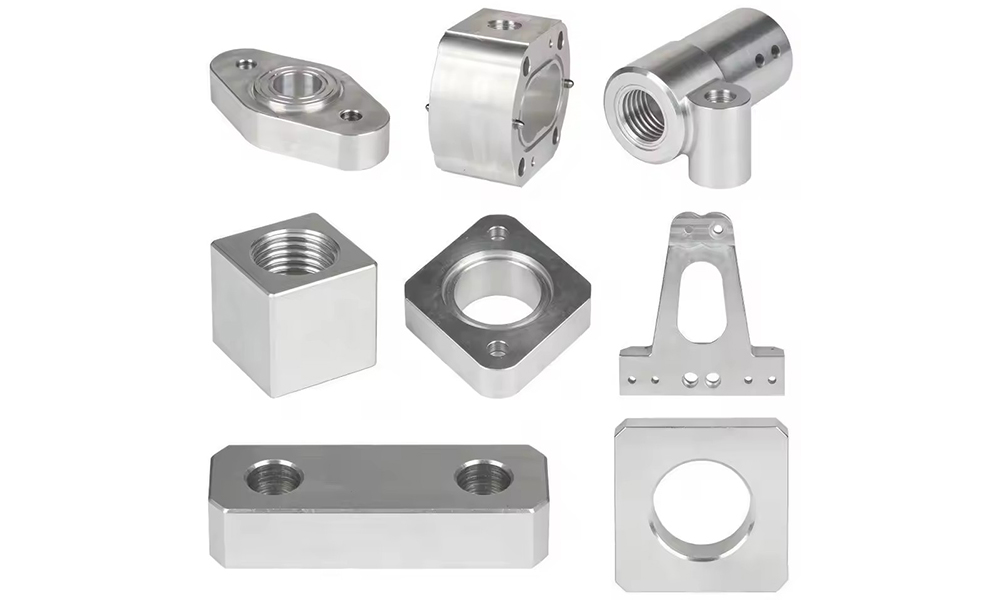
CNC punching uses a punch press equipped with various tooling shapes to create holes and forms in sheet metal. The machine mechanically punches the material according to programmed instructions.
This process is commonly used in industries such as HVAC, electrical enclosures, furniture manufacturing, and automotive production.
Advantages of CNC Punching
Extremely fast for repetitive patterns
Lower operating cost for large batches
Can perform forming operations
Efficient material utilization
Limitations
Tooling costs can be significant
Limited flexibility for complex shapes
Tool wear increases maintenance costs
Burrs may require secondary finishing
Cost Comparison: Key Factors
1. Initial Equipment Investment
Laser cutting machines generally require a higher upfront investment compared to CNC punching machines. Fiber laser systems, especially high-power models, can cost significantly more due to advanced optics and automation features.
CNC punching machines are often less expensive initially, although tooling purchases
CNC Punching for lower initial machine cost
Laser Cutting for lower tooling investment
2. Tooling Costs
One of the biggest differences between the two processes lies in tooling.
Laser cutting requires no physical tooling. Operators simply load a CAD file and begin production. This eliminates the expense of custom punches and dies.
CNC punching, however, relies heavily on tooling. Standard shapes may be affordable, but custom tooling for unique geometries can become costly. Additionally, tooling maintenance and replacement add recurring expenses.
Winner:
Laser Cutting
For low-volume production or customized parts, laser cutting is usually more economical because there are no tooling charges.
3. Production Speed
When producing simple parts with repetitive hole patterns, CNC punching is often faster than laser cutting. A punch press can create multiple holes in seconds, making it ideal for mass production.
Laser cutting excels in complex designs but may take longer for repetitive operations involving thousands of identical holes.
Winner:
CNC Punching for high-volume repetitive production
Laser Cutting for complex cutting tasks
4. Material Utilization
Laser cutting provides greater flexibility in nesting parts closely together, reducing material waste. Advanced software optimizes sheet usage efficiently.
CNC punching requires consideration for tool movement and sheet clamping areas, which may increase scrap rates.
Winner:
Laser Cutting
Better material efficiency can significantly reduce overall production costs, especially when processing expensive metals like stainless steel or aluminum.
5. Labor and Setup Costs
Laser cutting systems require minimal setup. Changing from one design to another can often be completed digitally within minutes.
CNC punching may involve changing tools manually or automatically, depending on machine capability. Complex jobs requiring multiple tools can increase setup time and labor expenses.
Winner:
Laser Cutting
For short runs and frequent design changes, laser cutting offers major savings in labor and setup costs.
6. Maintenance and Operating Costs
Laser cutting machines consume more electricity and require maintenance of optical components, cooling systems, and gas supplies.
CNC punching machines generally have lower energy consumption, but tooling wear and replacement create ongoing maintenance expenses.
In high-volume environments, punching can still offer lower per-part operating costs despite tooling maintenance.
Winner:
Depends on Production Volume
Small batches: Laser cutting is often more economical
Large batches: CNC punching may reduce per-unit costs
Which Process Is More Cost-Effective?
The most cost-effective process depends on the application.
Choose Laser Cutting If:
You produce low to medium volumes
Designs change frequently
Parts require complex shapes
Precision and edge quality are important
You want to avoid tooling investment
Choose CNC Punching If:
You manufacture large production runs
Parts contain repetitive holes or simple patterns
Forming features are needed
You want lower per-part costs in mass production
Industry Trends
Modern manufacturing facilities increasingly combine both technologies. Some fabrication shops use hybrid machines that integrate laser cutting and punching into one system. This allows manufacturers to optimize costs based on specific production requirements.
Fiber laser technology has also reduced operating costs significantly in recent years. Faster cutting speeds, lower maintenance requirements, and improved energy efficiency have made laser cutting more competitive than ever.
Meanwhile, CNC punching remains highly valuable for industries focused on large-scale production efficiency.
Final Thoughts
There is no universal answer in the debate between laser cutting and CNC punching. Each process has unique cost advantages depending on production goals.
Laser cutting offers unmatched flexibility, precision, and low setup costs, making it ideal for customized and complex projects. CNC punching delivers exceptional speed and cost efficiency for repetitive, high-volume manufacturing.
For many manufacturers, the smartest strategy is not choosing one over the other, but understanding when to use each process effectively. Evaluating factors such as batch size, material type, design complexity, and long-term production needs will ultimately determine the best return on investment.
By carefully comparing the total costs—not just machine prices—businesses can improve productivity, reduce waste, and maximize profitability in sheet metal fabrication.
