

Bending Stainless Steel Pipes: Precision Solutions for Modern Applications
Bending stainless steel pipes, often referred to as pipa stainless steel bending, is a critical process in modern manufacturing and construction. Stainless steel pipes are widely used for their strength, corrosion resistance, and clean appearance, but bending them accurately requires advanced technology and professional expertise. With proper bending techniques, stainless steel pipes can be shaped into complex forms while maintaining structural integrity and surface quality.
What Is Stainless Steel Pipe Bending?
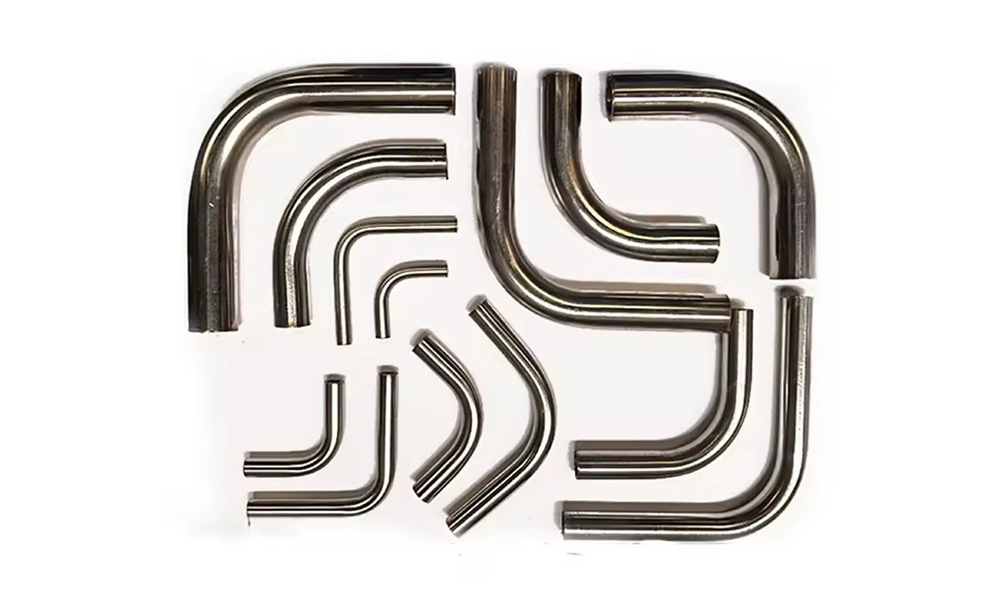
Stainless steel pipe bending is a forming process that reshapes straight pipes or tubes into curved or angled configurations without cutting or welding. The goal is to achieve smooth, precise bends while preserving the pipe’s cross-section, wall thickness, and mechanical strength. This process is commonly used in industries such as construction, automotive, food processing, chemical systems, and architectural design.
Compared to other metals, stainless steel presents unique challenges due to its high strength and work-hardening properties, making professional bending techniques essential.
Common Methods for Bending Stainless Steel Pipes
Several bending methods are used depending on pipe diameter, wall thickness, and bend radius. Mandrel bending is widely used for tight-radius bends, as it supports the inner wall of the pipe and prevents deformation. Roll bending is suitable for large-radius curves and long pipe sections. Press bending is often applied for simpler bends where high precision is not critical.
Selecting the correct bending method ensures consistent results, reduced material stress, and high-quality finishes.
Key Challenges in Stainless Steel Pipe Bending
Bending stainless steel pipes requires careful control to avoid defects such as wrinkling, ovalization, thinning, or cracking. Heat buildup, springback, and surface damage are common challenges if the process is not properly controlled. Professional pipe bending services use optimized parameters, proper tooling, and controlled force application to overcome these issues.
Attention to detail during setup and execution is essential for achieving repeatable, high-quality bends.
Precision and Quality Control
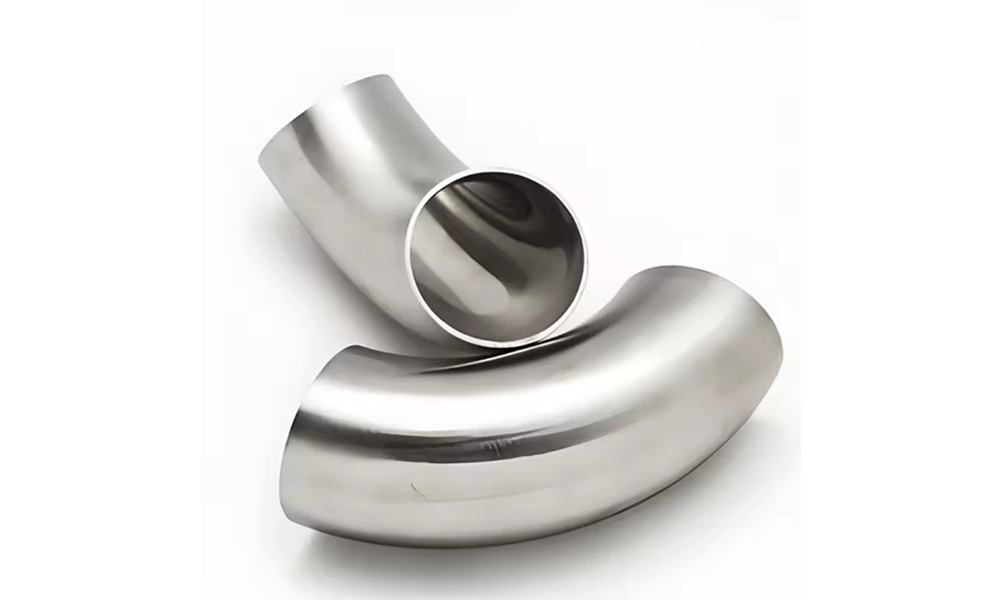
Precision is critical in stainless steel pipe bending, especially for applications requiring tight tolerances or perfect alignment. Accurate angle control, consistent bend radii, and smooth surfaces are achieved through advanced bending equipment and skilled operators. Quality control inspections help ensure dimensional accuracy, structural reliability, and visual consistency.
High-quality bending reduces the need for rework and ensures reliable performance in final assemblies.
Applications Across Multiple Industries
Bending stainless steel pipes is widely used in architectural structures, handrails, exhaust systems, piping networks, food and beverage equipment, and medical installations. Its corrosion resistance and hygienic properties make stainless steel ideal for environments requiring cleanliness and durability.
Custom pipe bending allows designers and engineers to create efficient layouts, reduce joints, and improve overall system performance.
Benefits of Professional Stainless Steel Pipe Bending
Professional bending services provide clean bends, reduced material waste, improved strength, and enhanced aesthetics. By eliminating unnecessary welding and joints, bent pipes improve flow efficiency and structural reliability. Customized bending solutions also support complex designs and space-saving installations.
Conclusion
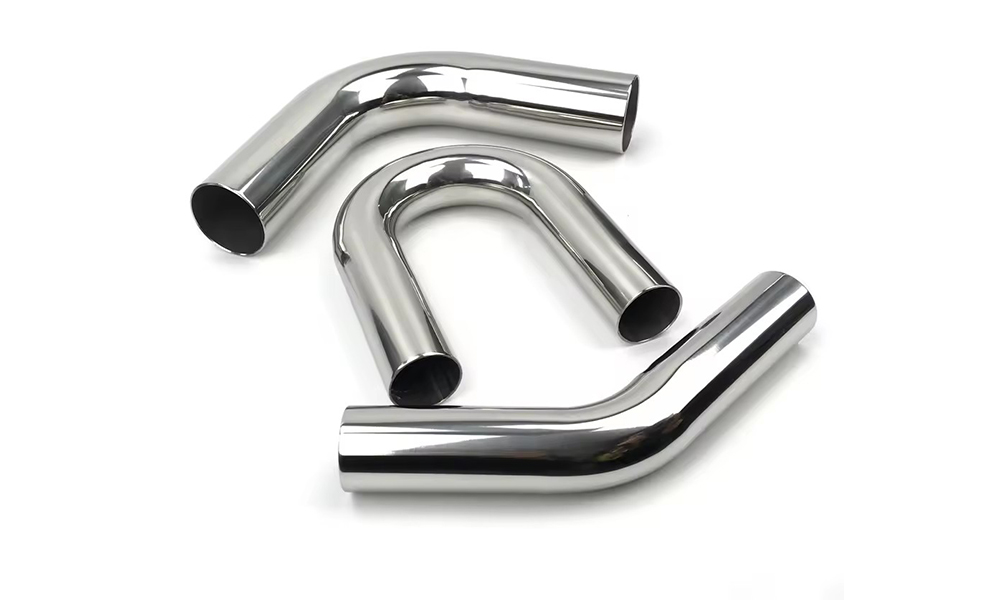
Bending stainless steel pipes is a specialized process that combines precision engineering with advanced forming techniques. With the right methods, equipment, and quality control, stainless steel pipe bending delivers strong, reliable, and visually appealing results. As industries continue to demand higher performance and customized solutions, professional pipa stainless steel bending will remain an essential part of modern manufacturing.
