

Custom Metal Hardware Solutions: The Complete Guide for Global Buyers
In today’s competitive manufacturing landscape, standard components are no longer enough. Global brands are seeking precision, flexibility, and product differentiation. This is where custom metal hardware solutions come into play. For importers, OEM brands, and industrial buyers, full customization of metal parts is not just a service — it’s a strategic advantage.
In this blog, we’ll explore what full customization means, its key benefits, industries that rely on it, the production process, and how professional anufacturers support international standards and global trade.
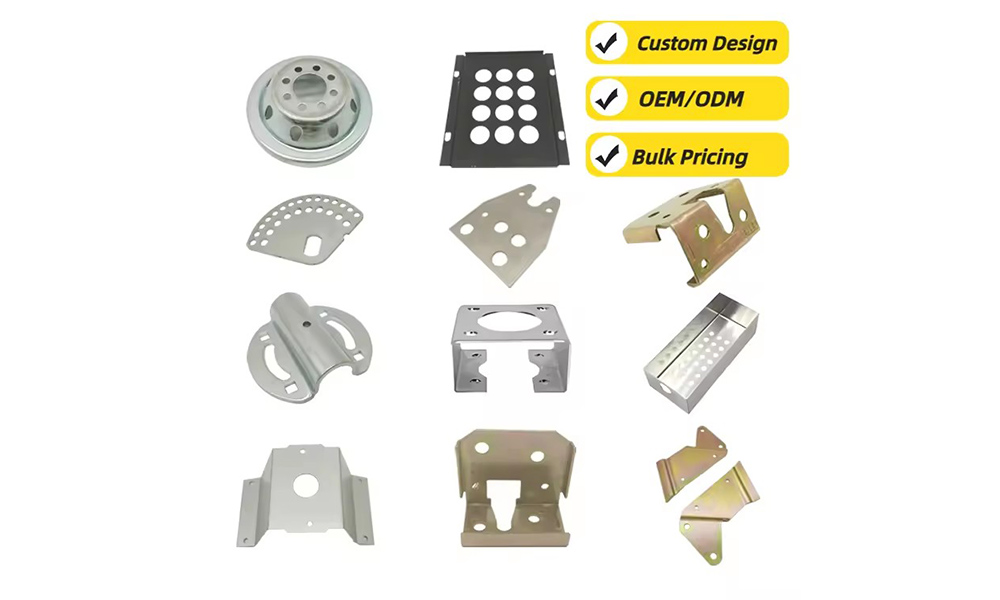
What Is Full Customization in Metal Hardware?
Full customization refers to the end-to-end development and manufacturing of metal components based entirely on a client’s specifications. Instead of choosing from catalog products, buyers provide drawings, 3D files, samples, or functional requirements, and the manufacturer produces a tailored solution.
Customization typically includes:
Material selection (stainless steel, carbon steel, aluminum, brass, zinc alloy)
Structural design optimization
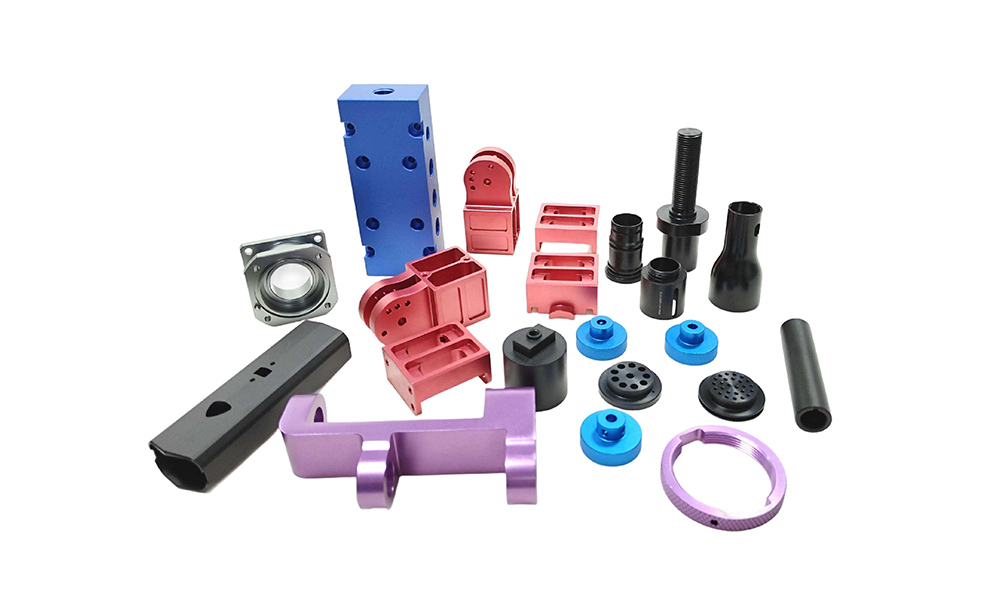
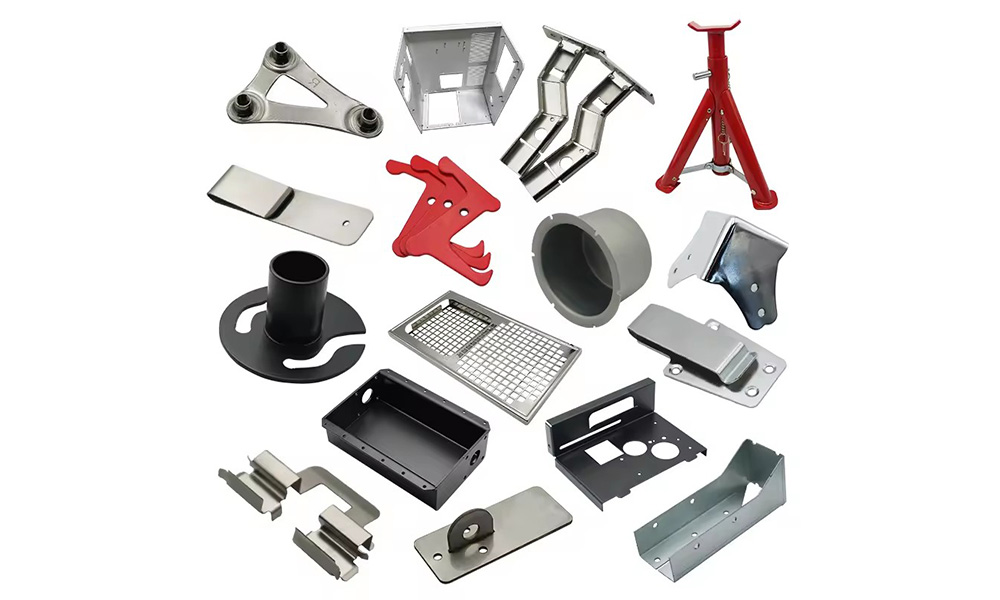
CNC machining, stamping, die casting, or forging
Surface treatments (powder coating, anodizing, plating, brushing)
Laser engraving or logo marking
Precision tolerance control
Custom packaging solutions
This approach ensures the component fits seamlessly into the final product — both functionally and aesthetically.
Why Global Buyers Prefer Custom Metal Parts
1. Perfect Functional Fit
Off-the-shelf components often require compromise. With custom metal hardware, every dimension, thickness, hole placement, and tolerance is designed specifically for your product. This reduces assembly issues and enhances overall product reliability.
2. Stronger Brand Differentiation
Custom finishes, unique textures, and branded engravings allow companies to stand out in crowded markets. Whether it’s architectural hardware or industrial brackets, customization adds brand identity to even the smallest component.
3. Cost Optimization in the Long Term
Although tooling and development costs may be higher initially, mass production significantly reduces per-unit costs. Optimized designs can also reduce material waste and improve assembly efficiency.
4. Compliance with International Standards
Professional manufacturers ensure compliance with international regulations such as ISO quality management systems and environmental directives like RoHS. Meeting these standards is essential for entering European and North American markets.
Industries That Rely on Custom Metal Hardware
Custom metal parts are essential across multiple industries:
1. Construction & Architectural Hardware
Door handles, hinges, brackets, connectors, and façade components often require customized dimensions and corrosion resistance.
2. Furniture Manufacturing
High-end furniture brands demand decorative metal parts with precise finishes and durable coatings.
3. Automotive & New Energy
Electric vehicles and battery systems require precision brackets, enclosures, and heat-resistant components.
4.Industrial Equipment
Automation systems and heavy machinery rely on durable, wear-resistant metal components built to exact specifications.
5. Consumer Electronics
Compact, lightweight, and highly precise parts are critical for modern devices.
The Complete Custom Manufacturing Process
A professional custom metal hardware manufacturer follows a structured process:
1. Requirement Analysis
Engineers review drawings, 3D files, and functional needs. Material and surface treatment recommendations are provided.
2. DFM (Design for Manufacturability) Review
Design optimization reduces production risk and cost while maintaining performance.
3. Tooling & Sample Production
Molds or fixtures are developed. Samples are produced for approval before mass production.
4. Testing & Quality Validation
Mechanical testing, salt spray testing, hardness testing, and dimensional inspection ensure compliance with specifications.
5. Mass Production
Advanced CNC machines, stamping lines, or die casting systems ensure consistent output.
6. Quality Control & Packaging
Strict QC inspections are conducted before customized export packaging is prepared.
Key Advantages of Working with an Experienced Manufacturer
When choosing a supplier for custom metal hardware, global buyers should evaluate:
Engineering and R&D capability
In-house tooling production
Stable raw material sourcing
Strict quality control systems
Export experience and documentation support
Fast response and communication efficiency
Manufacturers with mature supply chains and automation systems can provide both flexibility and stability — two crucial factors in international trade.
The Role of Smart Manufacturing
The future of custom metal hardware lies in digitalization and intelligent manufacturing:
CNC automation for higher precision
ERP systems for real-time production tracking
Robotic welding and polishing
Environmentally friendly surface treatments
Flexible production lines for small-batch customization
These technologies reduce lead times and improve consistency, making customized production more accessible than ever.
Why Customization Matters in Global Markets
With global competition intensifying, differentiation is critical. Custom metal hardware allows brands to:
Improve product performance
Enhance visual appeal
Strengthen intellectual property protection
Increase perceived product value
Build long-term supplier partnerships
Instead of competing purely on price, companies can compete on design, durability, and innovation.
Final Thoughts
Custom metal hardware solutions are no longer a luxury — they are a necessity for brands aiming to stand out in international markets. From design optimization to precision manufacturing and international certification compliance, full customization offers flexibility, performance, and brand value.
By partnering with an experienced manufacturer that understands global standards and export requirements, businesses can turn complex ideas into high-quality, market-ready metal components.
If you are sourcing custom metal parts for your next project, now is the time to move beyond standard catalogs and explore full customization solutions that match your product vision perfectly.
