

Top 10 Benefits of Custom Metal Fabrication for Industrial Applications
In today's highly competitive industrial market, manufacturers are constantly looking for ways to improve product performance, reduce production costs, and accelerate time-to-market. One solution that continues to gain popularity across industries is custom metal fabrication. Unlike standard off-the-shelf components, custom fabrication allows businesses to create parts and assemblies specifically designed for their unique applications.
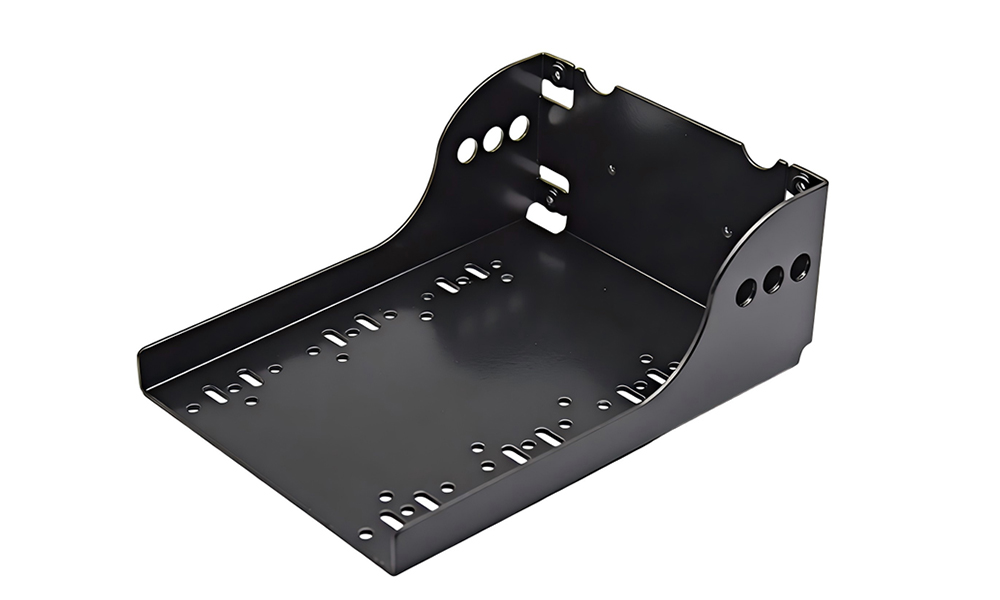
From industrial machinery and construction equipment to automotive systems and energy projects, custom metal fabrication plays a vital role in modern metal manufacturing. Below are the top 10 benefits that make customized metal solutions a preferred choice for industrial applications.
1. Tailored Solutions for Specific Requirements
Every industrial project has unique design specifications, performance requirements, and operating conditions. Custom metal fabrication enables manufacturers to create components that precisely match these needs.
Instead of adapting designs to fit standard parts, engineers can develop optimized solutions that improve functionality, efficiency, and overall product performance.
2. Greater Design Flexibility
One of the biggest advantages of custom metal fabrication is design freedom. Engineers can choose specific dimensions, shapes, materials, and manufacturing processes without being limited by standard component availability.
Whether the project requires complex geometries, specialized mounting features, or unique structural designs, custom fabrication makes it possible.
3. Improved Product Performance
Custom-designed metal components are engineered for their intended applications. This often results in better strength, durability, corrosion resistance, and operational reliability compared to generic alternatives.
By selecting the right materials and fabrication methods, manufacturers can maximize product performance in demanding industrial environments.
4. Enhanced Quality Control
Professional custom metal fabrication suppliers typically implement strict quality control procedures throughout the production process.
From raw material inspection to final dimensional verification, each component is carefully monitored to ensure consistency and compliance with customer specifications. This leads to higher product quality and fewer production issues.
5. Cost Savings in the Long Run
While custom fabrication may require a higher initial investment than standard parts, it often delivers significant long-term cost savings.
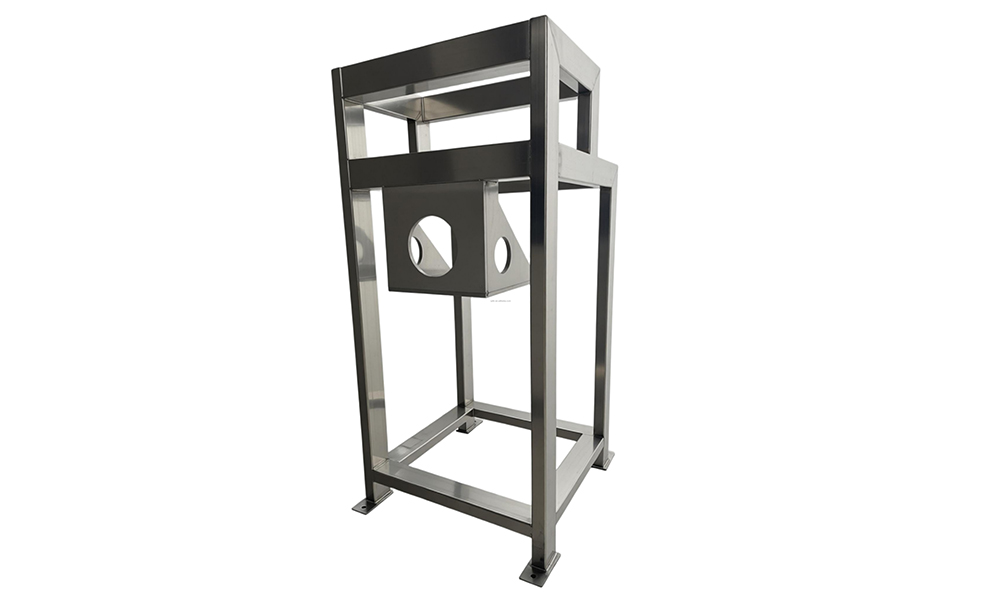
Optimized designs reduce material waste, improve assembly efficiency, and minimize maintenance requirements. In many cases, custom components also have longer service lives, reducing replacement costs over time.
6. Better Material Selection
Different industrial applications require different material properties. Custom metal fabrication allows manufacturers to select the most suitable metals based on strength, weight, corrosion resistance, heat resistance, and budget.
Common materials include stainless steel, carbon steel, aluminum, brass, and specialized alloys. Choosing the right material contributes directly to product reliability and performance.
7. Faster Prototyping and Product Development
Modern metal manufacturing technologies such as CNC machining, laser cutting, and sheet metal fabrication make it possible to quickly develop prototypes and test new product designs.
Custom fabrication suppliers can support rapid product development, helping companies shorten design cycles and accelerate market entry.
8. Scalability for Different Production Volumes
Custom metal fabrication is suitable for both low-volume prototypes and high-volume production runs. This flexibility allows manufacturers to scale production according to market demand without compromising quality.
Whether producing a single prototype or thousands of parts, custom fabrication can be adapted to meet project requirements.
9. Improved Assembly Efficiency
Custom components are designed to fit seamlessly into larger assemblies. This reduces the need for modifications, additional machining, or complex installation procedures.
As a result, assembly operations become faster, more accurate, and more cost-effective, improving overall manufacturing efficiency.
10. Competitive Advantage in the Market
In today's industrial landscape, differentiation is essential. Custom metal fabrication allows manufacturers to create unique products that stand out from competitors.
By improving product performance, reliability, and design innovation, companies can better meet customer expectations and strengthen their position in the market.
Applications of Custom Metal Fabrication
Custom metal fabrication is widely used in various industries, including:
Industrial machinery
Automotive manufacturing
Construction equipment
Agricultural machinery
Energy and power systems
Electronics and telecommunications
Aerospace and transportation
As industrial technologies continue to evolve, demand for customized metal components continues to grow.
Conclusion
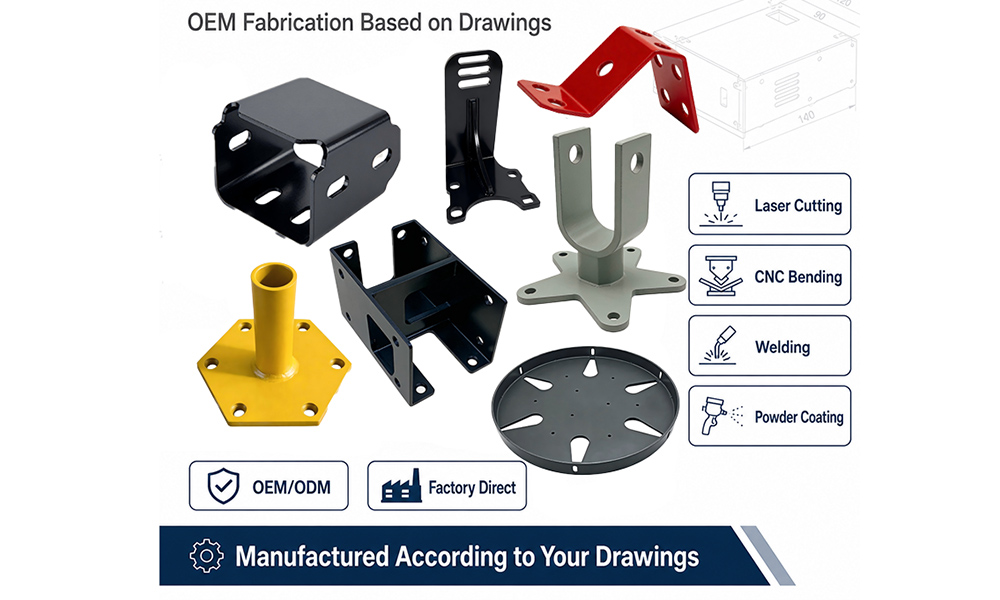
Custom metal fabrication has become a key driver of innovation and efficiency in modern metal manufacturing. From enhanced design flexibility and improved product performance to better cost control and faster development cycles, customized fabrication solutions provide significant advantages for industrial applications.
By partnering with an experienced custom metal fabrication supplier, manufacturers can develop high-quality components that meet exact specifications, improve operational efficiency, and create long-term value for their business. In an increasingly competitive marketplace, custom fabrication is not just a manufacturing option—it is a strategic advantage.
