

The Current Landscape of the Global Machinery Manufacturing Industry
The global machinery manufacturing industry stands at a critical crossroads, shaped by rapid technological advancement, shifting geopolitical dynamics, and increasing pressure for sustainability. As one of the foundational pillars of industrial development, this sector continues to evolve in response to both economic opportunities and structural challenges.
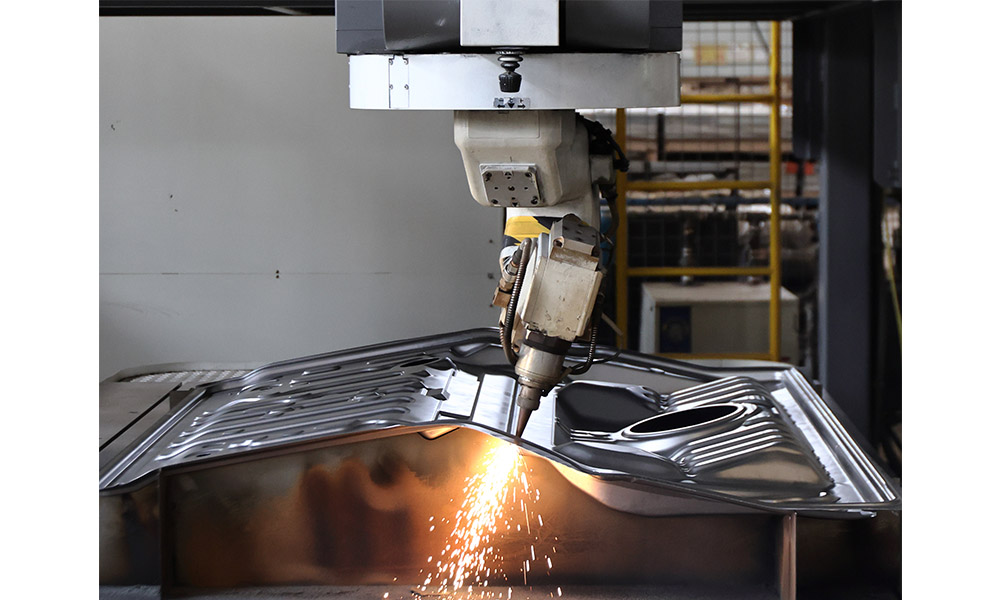
In recent years, digital transformation has become a defining force in machinery manufacturing. The integration of smart technologies such as the Industrial Internet of Things (IIoT), artificial intelligence, and advanced robotics is redefining production processes. Factories are becoming more connected and data-driven, enabling predictive maintenance, real-time monitoring, and greater operational efficiency. This shift toward “smart manufacturing” not only improves productivity but also reduces downtime and costs.
Another significant trend is the growing emphasis on automation. With labor shortages affecting many regions and rising wage levels in traditionally low-cost manufacturing hubs, companies are investing heavily in automated solutions. Robotics and autonomous systems are increasingly handling repetitive and hazardous tasks, allowing human workers to focus on higher-value activities such as design, engineering, and system optimization.
Global supply chains have also undergone substantial transformation. The disruptions caused by recent geopolitical tensions and the lingering effects of the COVID-19 pandemic have exposed vulnerabilities in highly centralized production models. As a result, many manufacturers are adopting strategies such as nearshoring and diversification of suppliers to enhance resilience. This shift is gradually reshaping the global distribution of manufacturing activities.
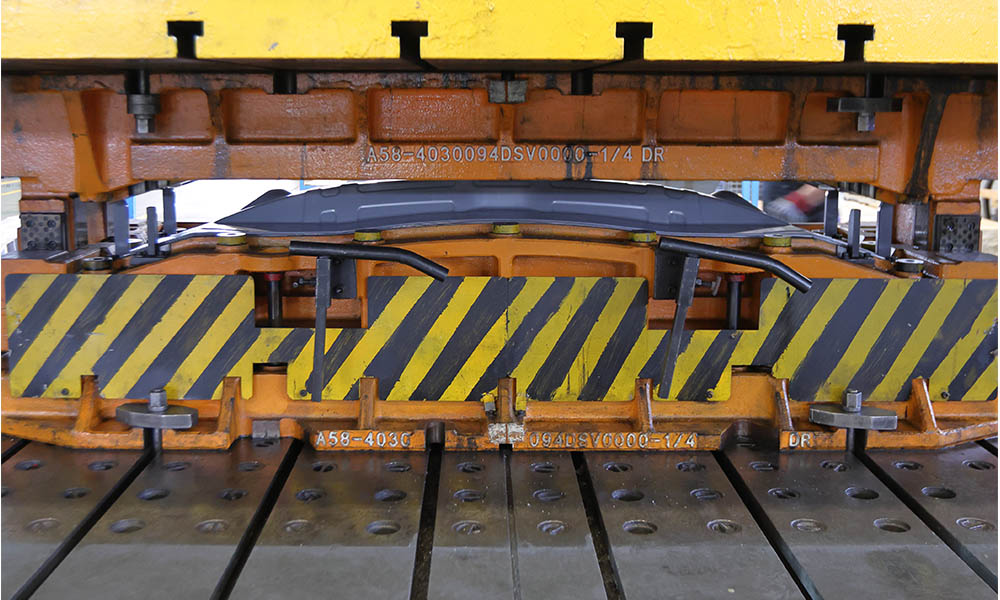
Sustainability has become another central theme. Governments and consumers alike are demanding greener production methods and reduced carbon footprints. Machinery manufacturers are responding by developing energy-efficient equipment, utilizing recyclable materials, and adopting cleaner production technologies. Environmental regulations are becoming stricter, particularly in Europe and North America, pushing companies to innovate continuously.
Emerging markets continue to play a vital role in the industry’s growth. Countries in Asia, particularly China and India, remain major manufacturing hubs due to their large industrial bases and expanding domestic demand. Meanwhile, regions such as Southeast Asia and Latin America are gaining attention as alternative production centers, offering competitive costs and improving infrastructure.
However, the industry also faces several challenges. Rising raw material costs, semiconductor shortages, and trade uncertainties continue to impact production and profitability. Additionally, the rapid pace of technological change requires constant investment in research and development, as well as workforce upskilling. Companies that fail to adapt risk falling behind in an increasingly competitive global market.
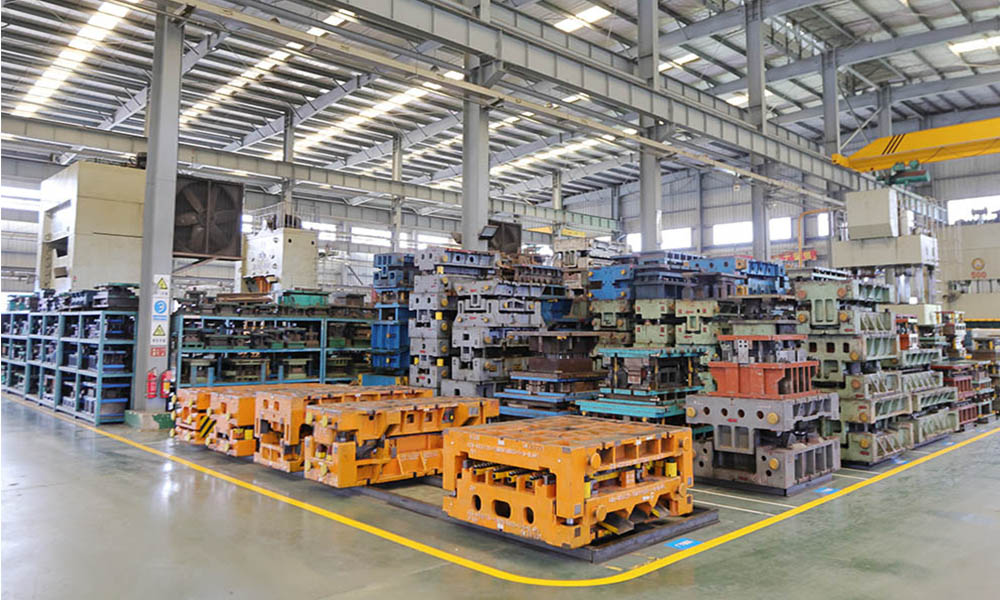
Looking ahead, collaboration and innovation will be key drivers of success. Partnerships between manufacturers, technology providers, and research institutions are accelerating the development of next-generation machinery. At the same time, governments are supporting the sector through industrial policies, funding programs, and infrastructure investments.
In conclusion, the global machinery manufacturing industry is undergoing a profound transformation. While challenges remain, the convergence of digitalization, automation, and sustainability presents significant opportunities for growth. Companies that embrace change and invest strategically will be well-positioned to thrive in this dynamic and evolving landscape.
